Concerned about gaps between your teeth? Book an assessment.
Gaps Between Teeth (Diastema): Causes and Treatment Options
Marylebone, London
Gaps between teeth (diastemas) may be something you have had since childhood or something new, and a newly appearing gap deserves particular attention, as it can signal gum disease or tooth movement. For long-standing gaps, treatment is a personal choice, with options ranging from composite bonding and veneers to clear aligner orthodontics. At our Wimpole Street practice in Marylebone, a dentist can first rule out any underlying cause, then talk through the approaches that would suit your smile and budget.
Explore other alignment concerns we assess or read on to understand the causes of teeth spacing and the treatment options available.
Gaps Between Your Teeth?
Let us assess your spacing and discuss suitable options
- Spacing pattern evaluation
- Bite & alignment analysis
- Gum health assessment
- Bonding suitability review
- Personalised treatment discussion
What Is a Diastema?
A diastema is the clinical term for a noticeable space between two teeth. While it can occur anywhere in the dental arch, a diastema most commonly appears as a gap in front teeth – specifically between the two upper central incisors. This midline diastema is one of the most recognisable forms of teeth spacing.
Gaps between teeth vary considerably in size, from a narrow space between teeth that is barely visible to a more pronounced gap that affects the overall appearance of the smile. Diastema may be present on its own or alongside other alignment concerns, and the significance of the gap depends on both its cause and the individual’s functional and cosmetic priorities.
It is worth noting that spacing between teeth can be entirely cosmetic, meaning it causes no functional issues, or it may be associated with bite concerns, food trapping, or underlying gum disease. A professional assessment helps clarify the nature and significance of the spacing and guides any discussion about diastema treatment.
What Causes Gaps Between Teeth?
Teeth spacing may develop due to a combination of genetic, developmental, and acquired factors. In many cases, more than one contributor is involved.
Natural Jaw and Tooth Size Differences
One of the most common reasons for gaps between teeth is a discrepancy between the size of the teeth and the size of the jaw. If the teeth are proportionally smaller than the jaw, natural spaces may be present, particularly between the upper front teeth. This is often an inherited characteristic.
Missing Teeth
When a tooth is absent, whether due to congenital absence, extraction, or trauma, the remaining teeth may shift over time, creating gaps in different areas of the arch. The space left by the missing tooth itself also constitutes a functional gap that may benefit from assessment.
Gum Disease
Advanced gum disease (periodontitis) can damage the bone and tissue supporting the teeth, leading to tooth mobility and drifting. As teeth shift from their original positions, spaces may develop, particularly between the front teeth. In these cases, addressing the underlying gum condition is an essential first step.
High Labial Frenum Attachment
The labial frenum is a small fold of tissue that connects the inside of the upper lip to the gum above the front teeth. If this tissue attachment is positioned lower than usual, extending between the central incisors, it may contribute to a space between the teeth that persists even after surrounding teeth have fully erupted.
Tooth Movement Over Time
Teeth can shift gradually throughout life due to changes in the supporting bone and gum tissue, habits such as tongue thrusting, or the loss of neighbouring teeth. This natural drift can cause spacing to develop or increase during adulthood, even in individuals who previously had well-aligned teeth.
Childhood Habits
Prolonged thumb sucking or dummy use during childhood can place outward pressure on the front teeth, potentially contributing to a gap in front teeth or generalised spacing. In many cases, these spaces close naturally as the permanent teeth erupt, though some may persist.
Are Gaps Between Teeth a Problem?
Not all gaps between teeth require treatment. Some spacing is purely an aesthetic concern and causes no issues with oral health, bite function, or speech. Many individuals with a space between teeth are entirely comfortable with the appearance and choose not to pursue any intervention.
In certain cases, however, gaps may have functional implications. Wider spacing can allow food to trap between the teeth, which may increase the risk of plaque accumulation and gum irritation. In some individuals, spacing may also affect how the upper and lower teeth come together, contributing to an uneven bite or altered speech patterns.
Where gaps are associated with gum disease, the spacing may be a sign that the supporting structures of the teeth have been compromised. In these cases, a periodontal assessment is an important first step. Our team can evaluate whether periodontal disease is contributing to tooth movement and spacing before any cosmetic or orthodontic treatment is considered.
How Dentists Assess Diastema
When you attend our practice with concerns about gaps between teeth, our general dentistry team carries out a structured evaluation to understand the nature, cause, and significance of the spacing. The assessment typically includes:
Examination of spacing pattern, location, width, and number of gaps
Bite analysis to assess how the upper and lower teeth come together
Assessment of gum health, including screening for periodontal concerns
Evaluation of tooth size proportions relative to the arch
Digital scans or radiographs where clinically indicated
Discussion of findings, contributing factors, and suitable treatment pathways
Treatment depends on the underlying cause and the patient’s preferences. Your dentist will discuss all suitable options before any decision is made.
Concerned About a Gap Between Your Teeth?
If you are concerned about a gap between your teeth, a dental assessment can help determine whether cosmetic bonding or orthodontic alignment may be suitable. Book a consultation at our Wimpole Street clinic for a structured evaluation.
Treatment Options for Gaps Between Teeth
The most appropriate way to close gap between teeth depends on the size and location of the spacing, the underlying cause, and the patient’s individual goals.
Composite Bonding
Composite bonding involves applying tooth-coloured resin material to the teeth to close small gaps between teeth and improve tooth proportions. It is a conservative approach that typically preserves natural tooth structure and can be completed in a single visit. Bonding is generally most suitable for minor spacing where the bite alignment is stable and no underlying gum disease is present.
Orthodontic Treatment
Orthodontic treatment, using clear aligners or fixed braces, can gradually reposition the teeth to close gaps between teeth and improve overall alignment. This approach is particularly suitable for larger gaps, multiple spacing areas, or cases where bite imbalance is also present. Orthodontic treatment addresses the positioning of the teeth themselves, rather than adding material to them.
Restorative Options
In selected cosmetic cases, dental veneers may be discussed as an option for closing gaps while also improving tooth shape and appearance. Veneers involve placing a thin shell of porcelain or composite material over the front surface of the teeth. Suitability depends on the amount of tooth structure available, the bite relationship, and the patient’s overall dental health and goals.
Our composite bonding service is often suitable for closing small, isolated gaps conservatively. For patients with larger or multiple gaps, our orthodontics team can discuss alignment-based approaches, including clear aligners where the spacing pattern and bite relationship are suitable.
How to Decide Between Bonding and Orthodontics
The most suitable approach depends on the clinical presentation. The following provides general guidance, though a professional assessment is needed to determine the best pathway for each individual case.
Small, isolated gap with stable bite
Composite bonding may be considered as a conservative and effective option to close the space.
Multiple gaps or accompanying bite imbalance
Orthodontic treatment may be more appropriate, as it addresses tooth positioning across the arch.
Gaps related to gum disease
Periodontal treatment should be addressed first. Closing gaps without treating the underlying gum condition may not provide a stable result.
Cosmetic concern with healthy teeth and gums
Bonding, veneers, or orthodontics may all be discussed, depending on patient preference, tooth proportions, and clinical findings.
Clinical assessment determines the most appropriate pathway. Your dentist will discuss the pros and cons of each option based on your specific findings.
When Should You Consider Treatment?
Consider arranging an assessment if you experience any of the following:
The gap affects your confidence in your smile
Food traps frequently between teeth
Teeth appear to be shifting or spacing is increasing
Your bite feels uneven or certain teeth bear more pressure
Gum disease is present alongside spacing
Frequently Asked Questions
About gaps between teeth and diastema treatment
Book a Spacing Assessment in Wimpole Street
Gaps between teeth (diastema) vary in cause and severity. A structured assessment can help determine whether bonding, orthodontics, or monitoring is appropriate.
Our dental team in Wimpole Street provides personalised evaluations to discuss suitable options based on your bite, gum health, and aesthetic goals. Book your appointment to have your spacing assessed and explore appropriate next steps.
Open Monday–Saturday • 2 mins from Wimpole Street tube
Google reviews of our sister clinic, South Kensington Medical & Dental.
Meet Our Dental Team
Our experienced dental team is fully qualified and registered with the GDC, delivering safe, high-quality care in line with the highest professional standards.
Because our patients deserve nothing less.

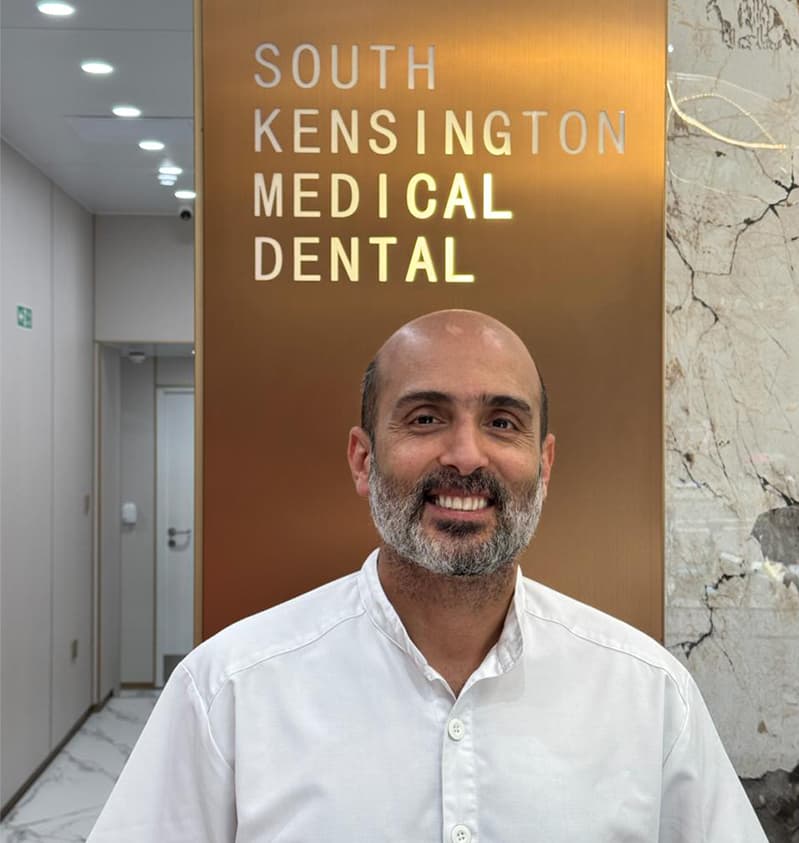








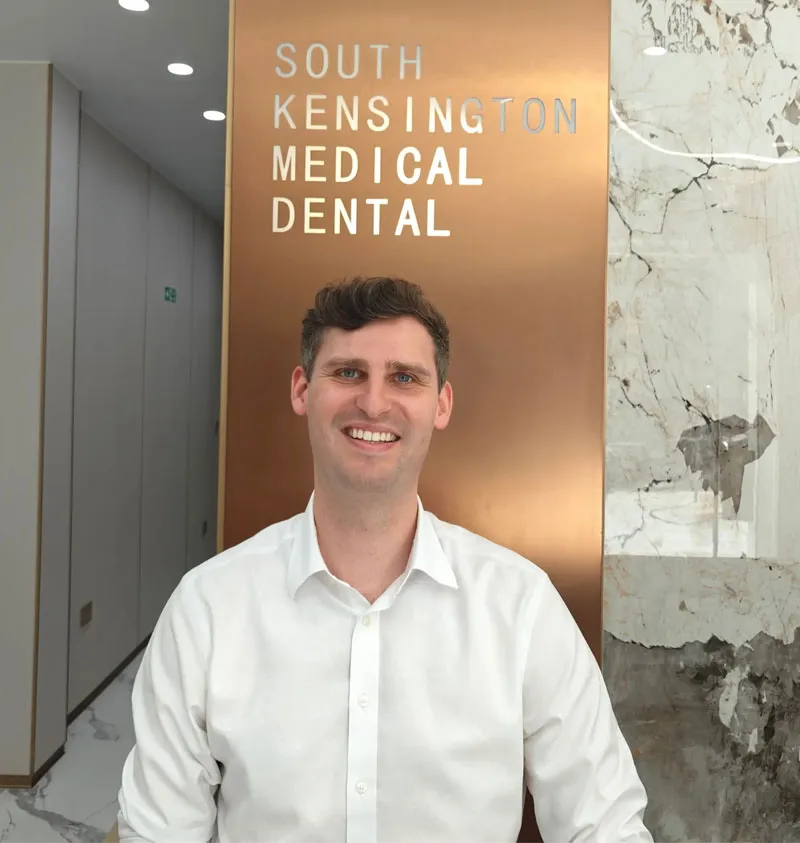
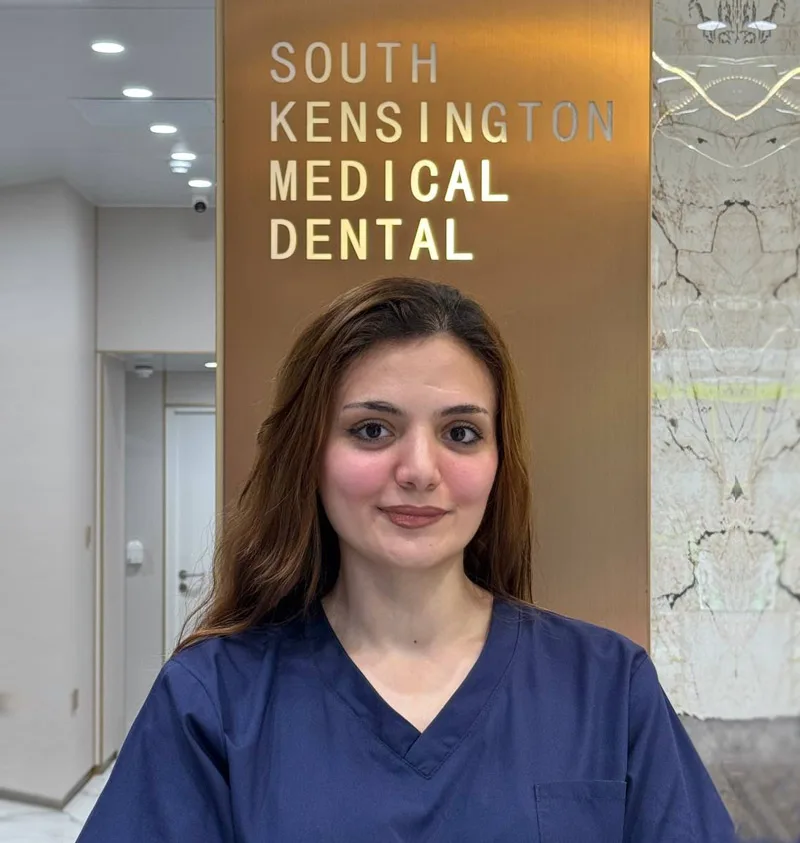

Registered. Regulated. Trusted.
At Wimpole Street Medical & Dental, our clinicians are registered with the relevant UK regulatory bodies, including the GDC, GMC and NMC. Our dentists, dental nurses and medical professionals deliver care that meets the highest clinical, safety and ethical standards, because our patients deserve nothing less.



We Accept All Major Dental Insurances
We accept all major UK dental insurances, including AXA PPP Healthcare Dental Cover, Aviva Dental Insurance, Bupa Dental Cover, Cigna Dental Insurance, Vitality Dental Health Insurance, Unum and Boots Dental Plan Cover. We provide itemised receipts so you can claim back your treatment costs.








