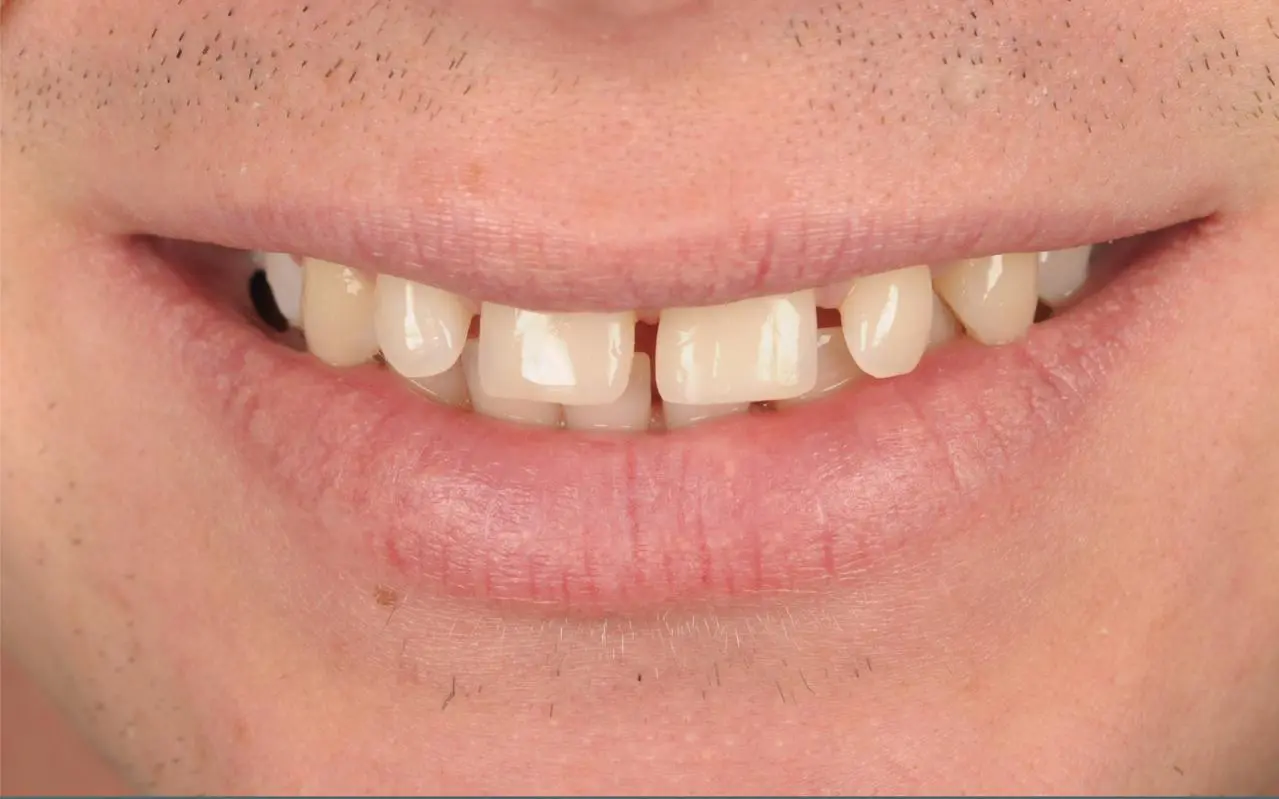
Gaps In Your Smile Causing Embarrassment? Lasting Restoration Care
It is not unusual to feel self-conscious about a visible gap in your smile. Whether a space has been present since childhood or has developed following tooth loss, the way you feel about your teeth can affect your confidence in conversation, photographs, and day-to-day life. If you are looking at the condition itself first, this overview of gaps between teeth may help.
That said, not all gaps are the same — and not all of them require treatment. Some spaces are simply a natural feature of a person's dentition, while others may develop over time due to tooth loss or changes in the mouth. Understanding the difference, and knowing what options may be available, is the first step towards making an informed decision about your dental health.
Direct Answer
What can be done about gaps in teeth? Options for addressing gaps in teeth may include dental implants, bridges, or removable dentures, depending on the cause, location, and surrounding oral health. Not every gap requires treatment. A qualified dental professional can assess whether intervention is clinically appropriate and discuss which approach — if any — may suit individual circumstances.
What Can Cause Gaps Between Teeth?
Gaps between teeth, sometimes referred to clinically as diastemas or edentulous spaces, can arise for a variety of reasons. It is helpful to understand that not all gaps carry the same clinical significance.
Natural spacing is common and may simply reflect the size relationship between a person's teeth and jaw. A gap between the two upper front teeth, for example, is frequently present in childhood and often closes naturally as the permanent teeth come through.
Tooth loss is one of the more significant causes of gaps in adults. Teeth may be lost due to advanced gum disease (periodontitis), dental decay, trauma, or following extraction. When a tooth is lost, the resulting space can sometimes cause neighbouring teeth to shift position gradually over time, which may affect bite alignment and oral function. For a focused read on this scenario, see missing tooth options explained.
Other contributing factors can include:
- Oversized labial frenum (the tissue connecting the upper lip to the gum)
- Habits such as thumb sucking in childhood
- Periodontal (gum) disease causing bone loss and tooth movement
- Congenitally missing teeth (teeth that never developed)
- Wear or changes related to ageing
Understanding the underlying cause is important because it influences both whether treatment may be appropriate and what form that treatment might take.
When Can a Gap Affect Oral Function?
Many people with gaps in their teeth experience no functional difficulties whatsoever. However, in some circumstances — particularly following tooth loss — a space may have implications beyond appearance alone.
When a tooth is missing, the teeth on either side and the opposing tooth in the jaw may, over time, drift or over-erupt into the available space. This can sometimes affect how the upper and lower teeth meet when biting (the occlusion). Changes to the bite may, in certain cases, place additional stress on remaining teeth or the jaw joint.
Additionally, gaps left following tooth loss can make oral hygiene more complex in some areas, and the underlying bone in the jaw can gradually reduce in volume where a tooth root is no longer present — a process known as bone resorption. This is a relevant clinical consideration when it comes to evaluating tooth replacement options.
None of this is intended to cause alarm. Many people live comfortably with missing teeth for years. However, it does explain why a professional dental assessment can provide genuinely useful information about whether any change is occurring and whether action may be worth considering.
Can Missing Teeth Affect the Way You Feel About Your Smile?
The short answer is: for some people, yes. Research and clinical experience consistently suggest that visible dental concerns — including gaps in the smile — can affect self-esteem and social confidence for some individuals. Concerns about speaking, laughing, or eating in social settings are not uncommon among those who have experienced tooth loss.
It is important to acknowledge these feelings without amplifying them. A gap in your teeth does not make you less worthy of confidence or care. Many people choose not to pursue treatment and remain entirely comfortable with their smile. Others find that exploring restorative options improves how they feel, both functionally and personally.
The decision to seek treatment — or not — is deeply individual and should always be based on personal values, oral health needs, and clinical suitability rather than social pressure or shame.
What Restoration Options May Be Available for Missing Teeth?
Where tooth replacement is being considered, there are several established restorative approaches. Each carries its own clinical characteristics, benefits, and limitations. The most appropriate option for any individual will depend on a range of factors that a dentist would assess during examination.
Dental Implants
A dental implant involves placing a small titanium post into the jawbone to act as an artificial root, onto which a crown, bridge, or denture can be attached. Implants are designed to closely replicate the appearance and function of a natural tooth.
Potential benefits may include stability, preservation of the jawbone (since the implant stimulates bone), and a result that can feel and look natural.
Important limitations include the fact that implants require sufficient bone volume, healthy gums, and good general health. They are not suitable for everyone, and the treatment involves a surgical procedure with a period of healing. Smoking, certain medical conditions, and medications can affect suitability and outcomes.
Maintenance involves regular professional hygiene appointments and thorough daily cleaning around the implant site, just as with natural teeth.
Dental Bridges
A dental bridge uses the teeth on either side of a gap (known as abutment teeth) to support an artificial tooth (a pontic) that spans the space. Bridges are fixed restorations — they are cemented in place and are not removed for cleaning.
Potential benefits may include a stable, non-removable restoration that can restore appearance and function without the need for surgery.
Important limitations include the fact that placing a conventional bridge requires reshaping the healthy teeth on either side, which is an irreversible process. Bridges also do not stimulate the underlying bone and may require replacement over time.
Maintenance includes careful cleaning beneath the bridge using interdental brushes or floss threaders, alongside regular professional monitoring.
Removable Dentures
Removable dentures are an option for replacing one or more missing teeth. They are prosthetic appliances that can be taken out for cleaning.
Potential benefits include accessibility, the fact that they require no surgery, and the ability to replace multiple teeth simultaneously.
Important limitations include that some people find dentures less stable than fixed restorations, and that fit may change over time as the jawbone naturally remodels following tooth loss. Some individuals require an adjustment period to become comfortable wearing them.
Maintenance involves removing and cleaning the denture daily, soaking as directed, and attending regular appointments to check fit and condition.
What Should You Consider Before Choosing a Restoration?
Choosing between restorative options is not simply a matter of preference. A range of clinical and personal factors should ideally be explored with a qualified dentist before any decision is reached.
Key considerations include:
- Bone volume and gum health — particularly relevant to implant suitability
- The condition of neighbouring teeth — important for bridge planning
- General medical health and medications — some conditions and treatments can affect healing and suitability
- Oral hygiene habits — all restorations require consistent care to function well long-term
- Habits such as tooth grinding (bruxism) — which can place additional stress on restorations
- Smoking — which can affect healing and long-term success, particularly with implants
- Diet — very hard or sticky foods can affect the durability of restorations
- Personal preferences and lifestyle — including how comfortable someone is with surgery or removable appliances
A dental professional can assess these factors during a clinical examination and provide information tailored to individual oral health and circumstances.
How Can You Care for a Dental Restoration Long Term?
Long-term success with any dental restoration depends significantly on the quality of care it receives. Restorations are not a permanent solution in the same way that natural teeth are — they require ongoing attention and professional maintenance.
Daily oral hygiene remains the foundation of restoration care. This includes brushing twice daily with a fluoride toothpaste, cleaning between teeth and around restorations with interdental brushes or floss, and cleaning dentures according to professional guidance.
Regular dental check-ups and hygiene appointments allow your dentist and hygienist to monitor the condition of restorations, identify any signs of wear or failure early, and provide professional cleaning where natural teeth or gum tissue cannot be fully reached at home.
Avoiding harmful habits — such as biting nails, chewing ice, or using teeth as tools — can help protect both natural teeth and restorations.
Managing bruxism (tooth grinding or clenching) is particularly important, as the forces involved can shorten the lifespan of restorations. If grinding is suspected, a dentist may recommend a protective night guard.
What Can Affect the Longevity of a Restoration?
It would be inaccurate to suggest that any dental restoration will last a precise number of years for all patients. The lifespan of a restoration can vary considerably depending on individual circumstances.
Factors that may influence how long a restoration remains functional and comfortable include:
- The type and material of the restoration
- Quality of the initial placement and fit
- Standard of daily oral hygiene
- Regularity of professional dental care
- Presence of bruxism or clenching habits
- Diet and eating habits
- Smoking or tobacco use
- Changes in the underlying bone or gum tissue over time
- General health changes
- Bite forces and occlusal load
This is precisely why ongoing monitoring and maintenance matter. A restoration that is well cared for and regularly reviewed has the best opportunity to remain effective over time.
When Is a Professional Dental Assessment Worth Considering?
If you have noticed a gap in your smile — whether long-standing or more recent — and you have concerns about your oral health or confidence, a professional dental examination can be a useful starting point. An assessment does not commit you to any particular treatment. Rather, it provides a clearer picture of what is happening clinically and what, if anything, may be worth considering.
Routine dental attendance remains one of the most effective ways to monitor changes in the mouth over time, protect the health of remaining teeth, and make informed decisions at an appropriate pace. If you are unsure whether a gap in your smile is a concern worth discussing, speaking with a dental professional is always a reasonable step.
Frequently Asked Questions
Is it always necessary to replace a missing tooth?
Not always. Whether a missing tooth requires replacement depends on its location, the condition of surrounding teeth, and whether any functional or health concerns are present. Some people live comfortably without replacing a missing tooth, particularly in areas that are not visible or load-bearing. A dentist can assess whether replacement may be clinically beneficial in individual circumstances.
Can a gap in teeth widen over time?
In some cases, gaps can change — particularly following tooth loss, where neighbouring teeth may gradually drift into the available space. This is not inevitable for every person, but it is one reason why monitoring changes at regular dental check-ups can be useful. If drifting occurs, it may affect bite alignment and the suitability of certain restoration options later.
Are dental restorations obvious to other people?
Modern restorative materials are designed to closely match the appearance of natural teeth in colour, shape and translucency. In many cases, a well-placed crown, bridge or implant-supported restoration is not readily noticeable in everyday interaction. However, the visual result can vary depending on the restoration type, material chosen and individual anatomy.
Can I have a restoration if I grind my teeth?
Bruxism does not necessarily exclude someone from having a dental restoration, but it is an important factor that a dentist will assess carefully. Grinding can place high forces on restorations, potentially affecting their longevity. A dentist may recommend managing bruxism — for example, with an occlusal splint — alongside any restorative treatment.
How do I clean around a dental bridge?
Cleaning beneath a bridge requires slightly different techniques than brushing around natural teeth. Interdental brushes, floss threaders, or specialist water flossers are commonly recommended to clean the gum line beneath the pontic (the suspended artificial tooth). A dental hygienist can demonstrate effective techniques suited to your individual restoration.
Does bone loss after tooth loss affect restoration options?
Yes, bone volume is a particularly important factor when considering dental implants, as the implant post requires sufficient bone to integrate with. Where significant bone loss has occurred, additional procedures may be discussed — or an alternative restoration approach may be more appropriate. A dentist or a clinician experienced in implant assessment can evaluate bone levels through clinical examination and imaging.
Can gum disease affect a dental restoration?
Active gum disease can affect the tissues supporting any restoration, including implants. Gum disease should ideally be stabilised before restorative treatment begins, as inflamed or receding gums and bone loss can compromise the long-term outcome of a restoration. Maintaining gum health before and after treatment is therefore an important consideration.
Is there an age restriction for dental implants?
Dental implants are generally considered once jaw growth is complete, which typically occurs in late adolescence. There is no fixed upper age limit, but suitability depends on overall health, bone volume, and the absence of conditions that might impair healing. A dentist can advise based on individual circumstances, and referral for further implant assessment may be considered where appropriate.
How often should I attend check-ups after having a restoration placed?
The frequency of recommended check-ups may vary depending on the type of restoration, individual oral health, and any risk factors present. Many people with dental restorations benefit from at least two professional appointments per year, though your dentist will recommend a recall interval appropriate for your specific situation.
What happens if a dental restoration fails or needs replacing?
Restorations can sometimes require repair, adjustment or eventual replacement. In many cases, early detection of an issue — through routine monitoring — allows for simpler intervention. If a restoration does fail completely, a dentist will assess what has occurred and what the most appropriate next step may be, which could include repair, a revised restoration, or reconsidering the approach altogether.
Dental Disclaimer
This article is for general educational purposes only and is not a diagnosis or treatment plan. It does not replace a consultation with a qualified dental professional. Suitability of any restoration depends on an individual clinical assessment and oral health status. If you have symptoms or concerns, arrange a professional dental examination.
Ready to Book an Appointment?
Our team is here to help you with all your dental and medical needs.








