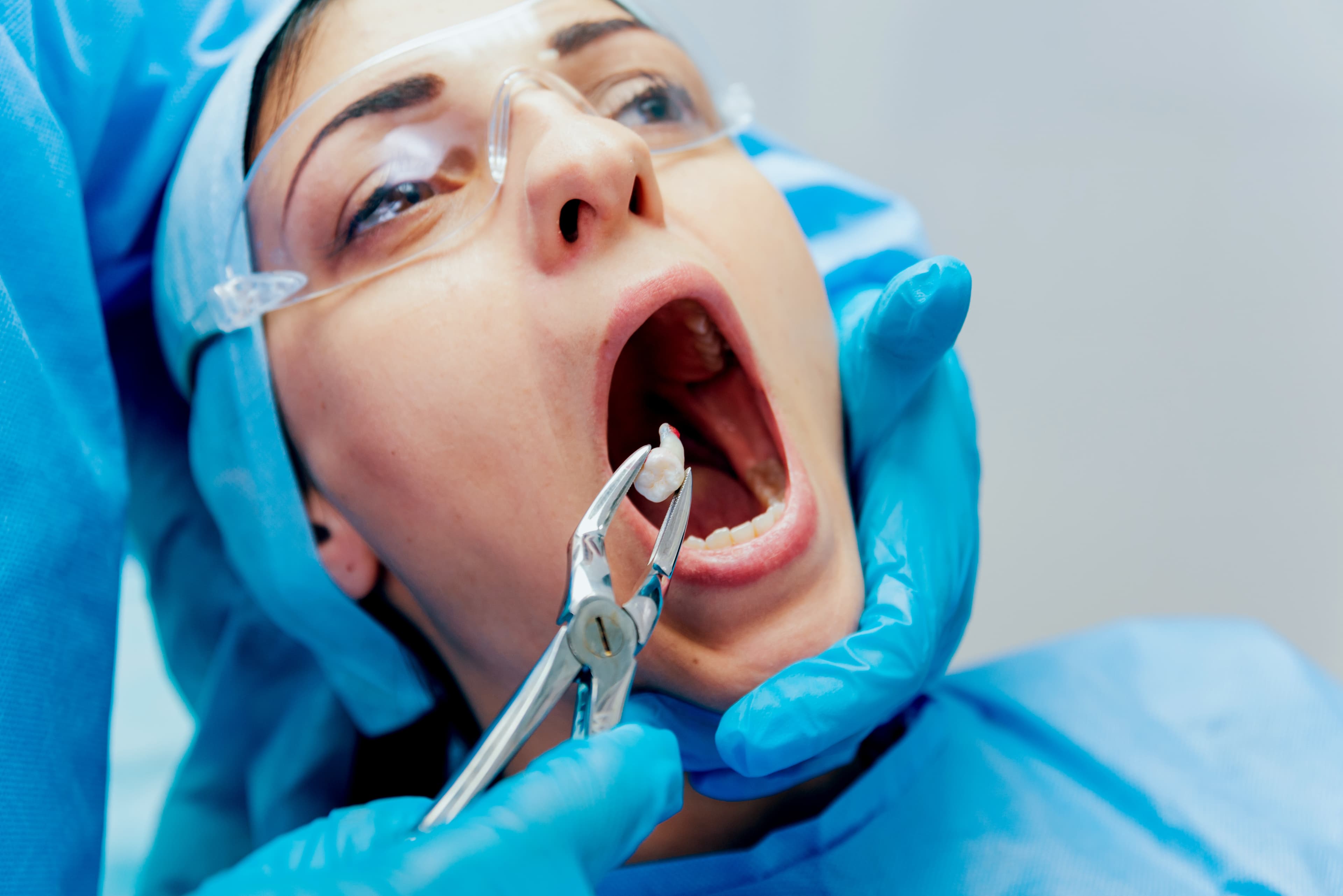
Missing Tooth Affecting Your Smile? Suitable Implant Options Explained
Losing a tooth — whether through injury, decay or extraction — can feel unsettling. It may affect how you eat, how you speak, and how you feel about your smile. Many people are uncertain about what their options are, or whether anything needs to be done at all.
A single tooth dental implant is one option that a dental professional may discuss when exploring how to replace a missing tooth. It is not suitable for everyone, and the most appropriate approach depends on an individual assessment. This article explains what implant treatment involves, who might be considered, what the potential benefits and risks are, and what alternatives exist — so you can have a more informed conversation with your dentist.
What Is a Single Tooth Dental Implant?
A single tooth dental implant is a small titanium fixture that is placed into the jawbone to act as a replacement root for a missing tooth. Once integrated with the surrounding bone, an abutment is attached to the fixture and a custom-made dental crown is fitted on top, creating a restoration that resembles the appearance and function of a natural tooth. Suitability depends on individual oral health and bone volume, which requires professional assessment.
Why Might Someone Consider Replacing One Missing Tooth?
A single missing tooth may seem minor, but over time it can have a range of effects on oral health and everyday comfort. These effects do not occur in every case, and not all are inevitable — which is why professional advice is important before making any decisions.
Potential effects that some people experience may include:
- Shifting of adjacent teeth — neighbouring teeth may gradually drift towards the gap over time
- Changes to bite alignment — the way upper and lower teeth meet may be affected
- Bone changes at the site — the jawbone beneath a gap may gradually reduce in volume without a root to support it
- Aesthetic concerns — a visible gap can affect the appearance of the smile
- Functional considerations — chewing or speaking may feel different depending on the location of the missing tooth
None of these are guaranteed consequences of a missing tooth, and some people may choose, under professional guidance, to leave a gap with careful monitoring. The key is making an informed decision in consultation with a qualified dental professional.
How Does a Dental Implant Replace a Missing Tooth?
Understanding the basic mechanism can help patients feel more confident when discussing treatment options.
A titanium implant fixture is placed surgically into the jawbone at the site of the missing tooth. Over a period of weeks to months, the bone gradually fuses to the surface of the fixture — a process known as osseointegration. This integration provides the stable foundation that makes an implant function differently from a denture or bridge.
Once healing has progressed sufficiently, a small connector piece called an abutment is attached to the fixture. A dental crown — custom-made to match the shade and shape of surrounding teeth — is then secured to the abutment.
The result is a restoration that sits within the jaw rather than on top of it, and which does not rely on adjacent teeth for support. Whether this approach is appropriate depends on an individual's jawbone condition, gum health and overall oral status.
Who May Be Suitable for a Single Dental Implant?
Suitability for implant treatment varies considerably between individuals. A thorough assessment by a qualified dental professional is essential before any treatment decisions are made.
Factors that may support suitability include:
- Sufficient bone volume at the implant site
- Healthy gum tissue
- Good general oral hygiene
- Being in generally reasonable health
- Being a non-smoker or having discussed smoking with a dental professional
- Having completed or stabilised any active dental disease treatment
Factors that may affect suitability or require further consideration include:
- Insufficient bone volume — a bone grafting procedure may be considered in some cases to build up the area, though this is not always possible or appropriate
- Active gum disease (periodontal disease) — this would generally need to be treated and stabilised before implant treatment could be considered, often with dedicated gum treatment
- Smoking — smoking is associated with increased risk of complications and implant failure; it does not automatically exclude someone but is an important discussion point
- Certain medical conditions or medications — some health conditions or treatments may affect healing or bone health; a full medical history review is part of the assessment process
- Age — implant placement is generally not recommended until jaw growth is complete, which typically occurs in early adulthood
This list is not exhaustive. Only a qualified dental professional, following a clinical examination and appropriate imaging, can advise on individual suitability.
What Is Assessed Before Implant Treatment?
Before any implant treatment proceeds, a comprehensive assessment is necessary. This helps identify whether implant treatment may be appropriate and whether any preparatory work is required.
An assessment may include:
- A full dental examination
- Review of dental and medical history
- Dental X-rays or, in some cases, more detailed imaging such as a CBCT (cone beam computed tomography) scan to assess bone volume and anatomy
- Assessment of gum health and existing teeth
- Discussion of lifestyle factors, including smoking and oral hygiene habits
- Exploration of treatment goals and expectations
This stage is not a formality. The information gathered shapes the entire treatment plan and helps identify whether an implant is the most appropriate option for each individual.
What Does the Implant Process Usually Involve?
Treatment stages can vary depending on individual circumstances, the dental professional's approach and whether preparatory work is required. The following provides a general overview — actual treatment journeys differ between patients.
Preparatory treatment (if required)
Any active dental disease, such as gum disease or decay in other teeth, is typically addressed before implant placement.
Implant placement
The titanium fixture is placed into the jawbone under local anaesthetic. Sedation options may be discussed for patients who feel anxious. The area is then left to heal.
Osseointegration
The healing and bone integration phase may take several weeks to several months, depending on individual healing and bone quality.
Abutment placement and crown fitting
Once integration is confirmed, the abutment is attached, impressions or digital scans are taken, and the final crown is fitted.
The overall treatment duration, number of appointments and experience at each stage will vary between individuals.
What Are the Potential Benefits of a Single Tooth Dental Implant?
When treatment is appropriate and successful, some of the benefits patients may experience include:
- A restoration that resembles the appearance of a natural tooth
- No requirement to involve or alter adjacent healthy teeth (unlike a conventional bridge)
- The potential to maintain jawbone volume in the area, as the implant provides stimulation in the bone
- A stable, fixed restoration that does not need to be removed for cleaning
- Potentially long-lasting results with appropriate maintenance and oral hygiene
It is important to understand that these benefits are not guaranteed for every patient. Outcomes depend on many factors, including individual healing, bone quality, oral hygiene and long-term maintenance.
What Are the Risks and Limitations?
Like any dental or surgical procedure, implant treatment carries potential risks. These should be discussed in full with a dental professional during the assessment process. Risks and limitations may include:
- Infection — at the implant site during or after healing
- Implant failure — in some cases, osseointegration does not occur successfully and the implant may need to be removed
- Nerve or tissue considerations — careful pre-treatment imaging helps plan placement to minimise risk, but this remains an area requiring skilled assessment
- Peri-implantitis — a condition affecting the gum and bone around an implant, associated with inadequate oral hygiene and other factors, which can compromise long-term outcomes
- Bone or graft complications — where bone grafting is required, additional healing time and considerations apply
- Need for eventual restoration maintenance — the crown or other components may need attention over time
The risk profile for each individual will differ. A responsible dental professional will discuss risks clearly and proportionately during the consultation and assessment process.
How Does a Dental Implant Compare With Other Missing Tooth Replacement Options?
Implant treatment is not the only option for replacing a missing tooth. A dental professional should present and discuss all relevant alternatives based on individual clinical circumstances and preferences.
Dental Bridge
A conventional dental bridge uses the teeth either side of the gap as supports, with a false tooth bridging between them. This typically requires the supporting teeth to be prepared (reduced in size). A bridge may be suitable in cases where adjacent teeth already have large restorations or crowns, but it does involve treatment to otherwise healthy teeth if they are intact. For a side-by-side overview, see dental implants vs bridges.
Removable Partial Denture
A partial denture is a removable appliance that replaces one or more missing teeth. It is generally less invasive and may be a more accessible option for some patients. Dentures require removal for cleaning and may feel less stable than fixed options. They can, however, be a reasonable solution for many people.
Leaving the Space
In some clinical situations, under appropriate professional monitoring, leaving the gap may be a considered option, particularly if the missing tooth is not causing functional or health concerns. This is a decision that should be made in consultation with a dental professional rather than by default.
The most appropriate choice depends on oral health, the condition of adjacent teeth, bone and gum health, personal priorities and clinical assessment. No single option is universally better than another — what matters is what is most appropriate for each individual patient.
How Should a Dental Implant Be Maintained?
Long-term maintenance is an important part of implant care. Good oral hygiene and regular professional monitoring help support the longevity of the restoration and the health of the surrounding tissues.
Maintenance considerations typically include:
- Brushing twice daily with a fluoride toothpaste
- Cleaning between the teeth and around the implant, often with interdental brushes or floss, as recommended by a dental professional
- Attending regular dental and hygiene appointments for professional cleaning and implant monitoring
- Avoiding habits that may place excessive force on the restoration
- Discussing the implant and restoration at routine dental check-ups
An implant is not maintenance-free. Ongoing professional support plays a significant role in long-term outcomes.
What Questions Should You Ask Before Treatment?
If you are considering discussing implant treatment with a dental professional, it may be helpful to prepare questions. The following may serve as a useful starting point:
- Am I a suitable candidate for implant treatment based on my current oral health?
- What assessment process would be involved, and what information would it provide?
- Are there any preparatory treatments I would need first?
- What are the risks most relevant to my individual circumstances?
- What alternatives would you consider appropriate for me, and why?
- What does the aftercare and maintenance involve?
- How long might treatment take from start to finish?
- What happens if the implant does not integrate successfully?
Asking questions helps ensure you can make a well-informed decision that reflects your individual needs and preferences. If you want personalised advice, you can book an implant consultation.
Frequently Asked Questions
Is a dental implant painful?
Implant placement is typically carried out under local anaesthetic, so the procedure itself should not be painful during treatment. Some discomfort, swelling or tenderness in the days following placement is common and is generally manageable with appropriate pain relief as advised by your dental professional. Individual experiences vary.
How long does a dental implant last?
There is no guaranteed lifespan for any dental restoration. The implant fixture itself may remain stable for many years with appropriate care, though the crown or restoration attached to it may require attention or replacement over time. Long-term outcomes depend on oral hygiene, lifestyle factors and regular professional monitoring.
Can I have an implant if I have had gum disease?
Having a history of gum disease does not automatically exclude someone from implant treatment, but active gum disease would generally need to be treated and stabilised before implant placement is considered. A careful assessment is important, and your dental professional will advise based on your specific situation.
How is an implant different from a denture?
A dental implant is a fixed restoration placed within the jawbone, while a partial denture is a removable appliance. An implant does not need to be removed for cleaning and does not rely on adjacent teeth or gum coverage for retention in the same way a denture does. Suitability for either option depends on individual clinical factors.
Does smoking affect implant treatment?
Smoking is associated with a higher risk of complications, including infection and implant failure, and may affect healing. It does not automatically make someone ineligible for implant treatment, but it is an important factor that a dental professional will discuss during the assessment process.
Is a dental implant available on the NHS?
Dental implants are not routinely available on the NHS and are generally provided privately. NHS dental treatment focuses on clinical need, and implants are not considered a standard NHS treatment in most circumstances. It is advisable to discuss options and associated costs with your dental professional directly.
What if there is not enough bone for an implant?
In some cases where bone volume is insufficient, a bone grafting procedure may be discussed as a preliminary step to build up the area. However, bone grafting is not appropriate or possible for everyone, and a detailed assessment including imaging is needed to determine what options may be available in each individual situation.
At what age can someone have a dental implant?
Implant treatment is generally not recommended until jaw growth is complete, which typically occurs in early adulthood. The appropriate timing can vary between individuals. A dental professional will advise on age-related suitability as part of the assessment process.
Will an implant crown look natural?
Dental crowns used in implant restorations are custom-made and designed to blend with surrounding teeth in shape and shade. Many patients find the aesthetic result satisfactory, though individual outcomes depend on the skill of the dental team, the materials used and the specific situation at the treatment site.
Do I need to do anything special to care for an implant?
Implants require good day-to-day oral hygiene, including brushing and interdental cleaning around the implant as directed by your dental professional. Regular professional check-ups and hygiene appointments are important to monitor the health of the surrounding gum and bone. Your dental team will advise on a maintenance routine suitable for your specific restoration.
Dental Disclaimer
This article is general educational information and is not a diagnosis or personalised treatment recommendation. Implant suitability depends on individual oral and medical factors and must be confirmed by clinical assessment. No treatment outcome or longevity can be guaranteed, and options vary between patients. If you are concerned about a missing tooth, seek advice from a qualified dental professional. Final treatment planning should always follow a full in-person examination.
- Written Date: 14 August 2026
- Next Review Date: 14 August 2027
Ready to Book an Appointment?
Our team is here to help you with all your dental and medical needs.








