Dental Bridges in Marylebone, London
A Fixed, Natural-Looking Way to Close the Gap Left by Missing Teeth
When one or more teeth are lost, a dental bridge can restore chewing comfort, appearance and bite stability. Anchored to neighbouring teeth or implants, a bridge is a fixed restoration built to feel secure and blend in naturally. Our GDC-registered team at 22 Wimpole Street, in the Harley Street medical district, plans every case individually, from first consultation through to long-term maintenance. Suitability, outcomes and longevity vary between individuals and depend on clinical assessment.
Book a consultation to discuss your options and receive personalised guidance based on your oral health and treatment goals.
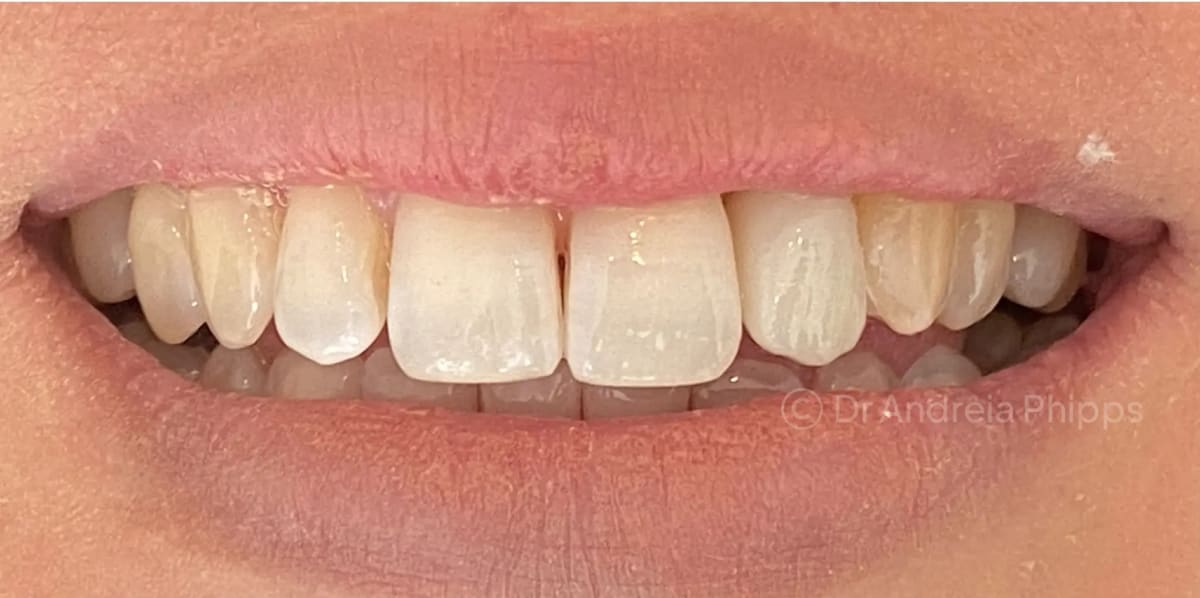
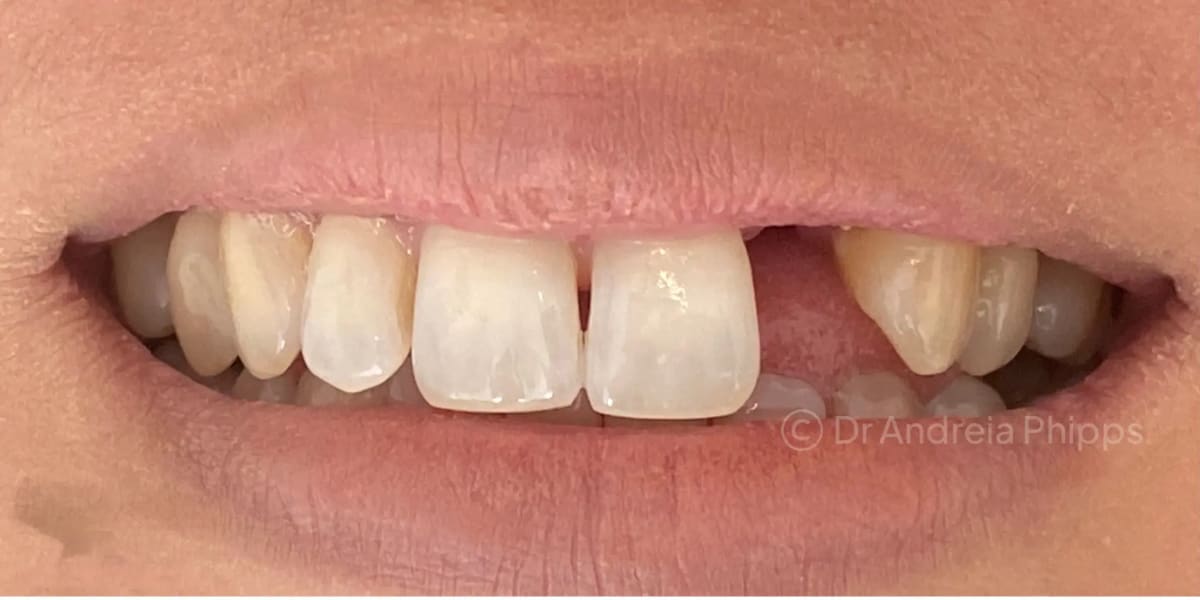
3-unit bridge from from £2,985
🦷 Fill the Gap - Fixed & Secure
Dental Bridge Cost
Per unit (crown or pontic)
Typical 3-unit bridge (1 missing tooth):
- Free consultation included
- Custom porcelain or ceramic design
- Precise shade matching
- Careful fitting and bite adjustment
- Temporary bridge included
Or call 020 7183 0692
“The team explained every step clearly, talked through my options in plain English, and the finished bridge blends in well with my other teeth.”
How a Bridge Restores Function and Confidence
A gap in your smile can make chewing awkward, alter speech and let surrounding teeth drift out of position. A dental bridge does exactly what its name suggests, it spans the space with a fixed restoration that brings back both everyday function and a natural appearance.
Carefully planned and precisely fitted, a bridge helps spread biting forces evenly and keeps neighbouring teeth where they belong. At our Marylebone practice the emphasis is on accuracy, comfort and stability that lasts, not quick fixes.
What Sets Our Bridge Treatment Apart
Replacing missing teeth well means protecting the surrounding teeth and keeping your bite balanced, which is why careful, structured planning sits at the heart of everything we do.
Natural Appearance
Bridges are custom-designed to blend with your natural teeth; final shade and shape are agreed at fitting
Fixed & Secure
A fixed restoration that does not need to be removed for cleaning
Modern Materials
Porcelain, zirconia and hybrid ceramics selected based on the clinical case
Clear Planning
Treatment steps and itemised costs explained in writing before starting
GDC-Registered Team
Care delivered by GDC-registered clinicians at GDC-registered clinicians
Could a Bridge Be the Right Choice for You?
A bridge may suit you if you:
- Have one or more missing teeth
- Want a fixed alternative to removable dentures
- Have healthy neighbouring teeth or suitable implants for support
- Want to restore chewing efficiency and speech clarity
- Prefer a long-term, stable tooth replacement option
A consultation allows us to assess whether a bridge is the most appropriate solution or whether alternative treatments may be more suitable.
Not sure if a bridge is right for you?
Planning Your Treatment, and Understanding the Fees
What a bridge costs in London depends on the type chosen, the materials used and how many teeth are being replaced, which is why we quote only after examining you.
After a detailed assessment, every fee is set out clearly and in writing before treatment starts. Plans balance durability, aesthetics and long-term oral health, with flexible payment options available where appropriate.
See our full 2026 dental bridge cost guideFour Kinds of Bridge, One Tailored Recommendation
The right bridge for you depends on where the gap sits, the health of the neighbouring teeth and how your bite comes together.
Traditional Dental Bridges
Traditional bridges are supported by crowns placed on the teeth adjacent to the missing space. They are a commonly used and reliable option.
May be suitable for patients who:
- Have strong neighbouring teeth
- Need to replace one or two missing teeth
- Want a proven fixed solution
Implant-Supported Bridges
Implant-supported bridges are anchored to dental implants rather than natural teeth, offering enhanced stability and preserving surrounding tooth structure.
May be suitable for patients who:
- Are missing multiple teeth
- Want to avoid placing crowns on healthy teeth
- Are suitable for dental implant treatment
Cantilever Bridges
Cantilever bridges are supported on one side only and may be used in specific situations where traditional support is not possible.
May be suitable for patients who:
- Have limited support on one side of the gap
- Are restoring areas with lower biting forces
- Have been clinically assessed as suitable
Maryland (Resin-Bonded) Bridges
Maryland bridges use a metal or ceramic framework bonded to the backs of adjacent teeth, with minimal tooth preparation. Often considered for front teeth where conservation is a priority.
May be suitable for patients who:
- Want minimal drilling of adjacent teeth
- Are replacing a single front tooth
- Have been clinically assessed as suitable
What a Well-Made Bridge Can Do for You
The reasons bridges remain a popular choice for replacing missing teeth.
Fixed Restoration
Unlike dentures, bridges are cemented in place, so no removal or adhesives are needed
No Surgery Required
Traditional bridges do not involve implant surgery or an osseointegration healing period
Two-Visit Treatment
Typically completed in two appointments over 2–3 weeks; complex cases may need more
Natural Appearance
Custom porcelain or ceramic shaped and shaded to blend with your existing teeth
Comfortable Chewing
Most patients return to a wide range of foods once fitted; dietary advice varies by bite and bridge type
Helps Limit Tooth Drift
Filling the gap may help reduce the chance of adjacent teeth tilting or opposing teeth over-erupting
Supports Bite Balance
Replacing missing teeth can help support surrounding tissues and distribute biting forces more evenly
Long-Established Option
Bridges are a well-documented tooth replacement option used in dentistry for many decades
From First Visit to Final Fit
Bridge treatment is usually completed in just two appointments at our Wimpole Street practice.
Free Consultation
We examine your teeth, take X-rays where clinically indicated (£20 each), discuss your options and provide a written itemised quote. No obligation to proceed.
~30 minsTooth Preparation
Under local anaesthetic, the supporting teeth are gently shaped to receive crowns. We take precise impressions.
60 minsTemporary Bridge
A temporary bridge protects your prepared teeth and fills the gap while your permanent bridge is crafted (1-2 weeks).
IncludedFinal Fitting
Your custom bridge is checked for fit, bite, and colour, then permanently cemented. You leave with your complete smile.
45 minsComparing Bridges With Implants and Dentures
A side-by-side view of the main routes for replacing missing teeth.
Treatment suitability, duration, lifespan, and costs vary between individuals and depend on clinical assessment. A personalised consultation is required before any treatment recommendation.
Actual lifespan depends on factors such as oral hygiene, bite forces, diet, smoking and regular professional care. Your dentist will discuss expected longevity in your case.
Not sure which option is best? Book a complimentary short consultation and we'll advise based on your specific situation.
What Can Happen if a Gap Is Left Untreated
Once a tooth is lost, changes can follow surprisingly quickly. Neighbouring teeth may tilt into the space, the opposing tooth can over-erupt, the bite may become uneven, sometimes leading to jaw discomfort, and the bone beneath the gap gradually shrinks, which can affect facial contours.
Delaying replacement can reduce options in some cases. Your dentist will advise based on your individual situation.
Spread the Cost with 0% Finance*
Don't let cost prevent you from replacing missing teeth. We make bridges affordable.
0% Finance
Up to 12 months interest-free
Flexible Payments
Spread over up to 60 months
*0% APR representative finance available over 12 months. Longer-term plans (13–60 months) include interest. Finance is subject to status, age and affordability checks, and is provided by our FCA-authorised third-party credit providers. Full terms and APR are disclosed before you commit. Missing payments may affect your credit rating.
Bridge Questions We Hear Most Often
Practical answers about bridge treatment and fees at our Marylebone clinic
Dental Bridges Near You
Restoring function and appearance with custom dental bridges in Central London
Address
Wimpole Street Medical & Dental
22 Wimpole Street
Wimpole Street
London W1G 8GQ
Getting Here
- Short walk from Bond Street & Oxford Circus
- Central, Elizabeth, Victoria & Bakerloo lines
- Nearby parking available
Opening Hours
- Monday, Wednesday9am - 6pm
- Tuesday, Thursday9am - 8pm
- Friday8am - 5pm
- Saturday10am - 4pm
- SundayClosed
Contact
NHS vs Private Dental Bridges in the UK
Dental bridges are available on the NHS under Band 3 treatment (currently £319.10 in England, 2026) where a bridge is clinically necessary. NHS bridges are typically metal-backed and restricted to materials and designs within the NHS contract. NHS availability, waiting times and the choice of bridge type are set by the NHS.
Privately, you can choose from a wider range of materials (all-ceramic, zirconia, hybrid ceramics), more refined aesthetics, digital impressions where appropriate, and a longer consultation. Private bridges start from £995 per unit.
Wimpole Street Medical & Dental is a private practice. We do not hold an NHS contract. If an NHS bridge is more appropriate for your circumstances, we will tell you so during your consultation.
Porcelain vs Zirconia vs Metal-Ceramic Bridges
The right material depends on the location of the missing tooth, your bite, aesthetic priorities and the condition of supporting teeth. Your dentist will discuss options at consultation.
All-Porcelain / E-max
Strong aesthetics, light transmission similar to natural enamel. Often chosen for front teeth.
Typical use: anterior (front) single units where appearance is a priority.
Zirconia
High fracture resistance, no metal substructure, suitable for longer spans and back teeth.
Typical use: posterior (back) bridges, bruxism cases, longer spans.
Metal-Ceramic (PFM)
Long clinical track record. A metal substructure supports a porcelain veneering layer.
Typical use: cases where maximum strength is needed and aesthetics are secondary.
Material selection, longevity and aesthetic outcomes vary between individuals. All choices are discussed and agreed in writing before treatment begins.
Related Reading
Dental bridge cost in London
What affects the price and what to expect to pay.
Dental implants vs bridges
How to decide between a fixed bridge and an implant.
Missing tooth: what happens next?
What happens to the jaw when a tooth is not replaced.
Dental implants in London
Compare implants as an alternative to a bridge.
Ready to Complete Your Smile?
Book your free bridge consultation today. We'll assess your situation, discuss options, and provide a clear quote with no obligation.
Google reviews of our sister clinic, South Kensington Medical & Dental.
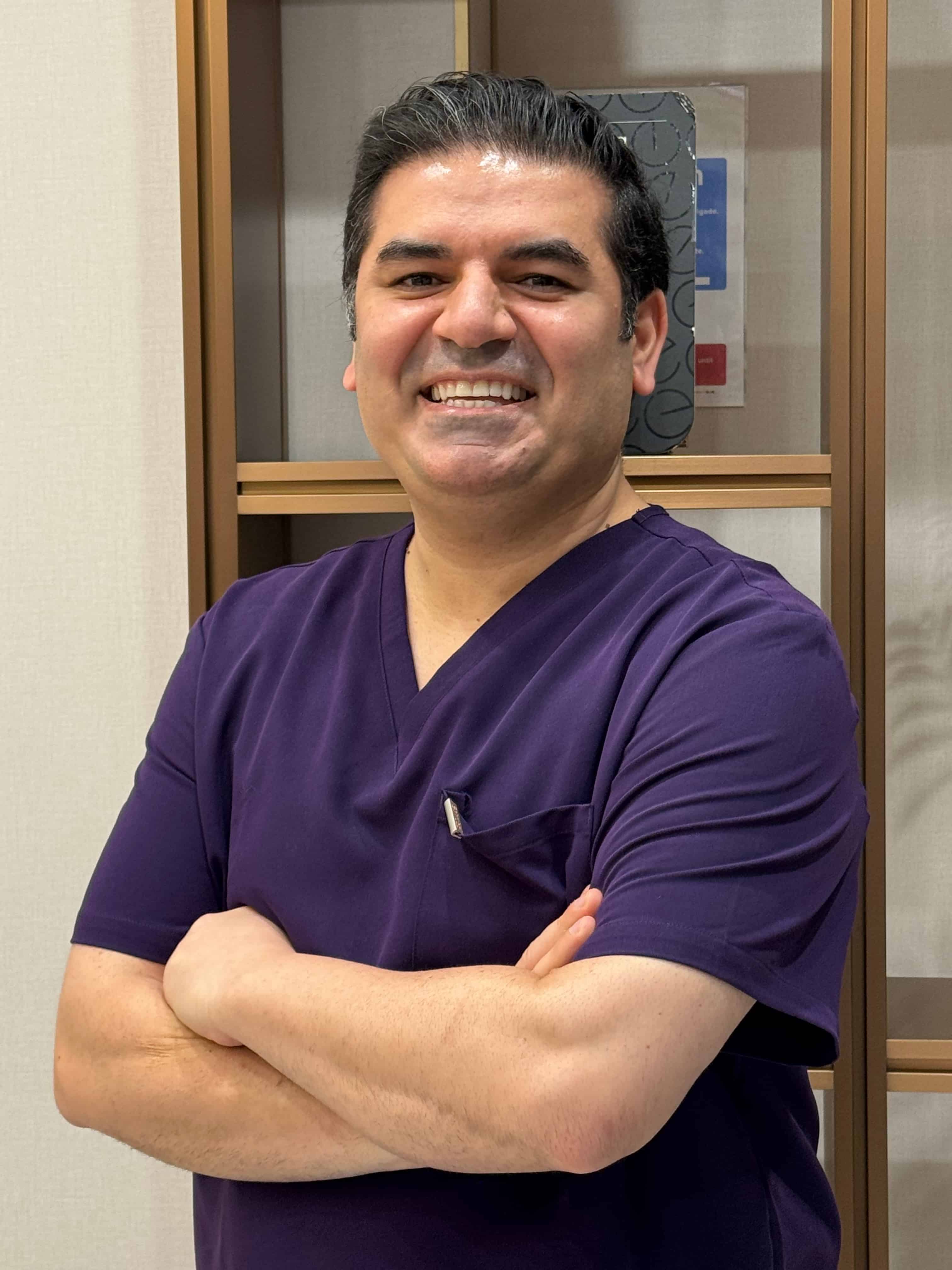
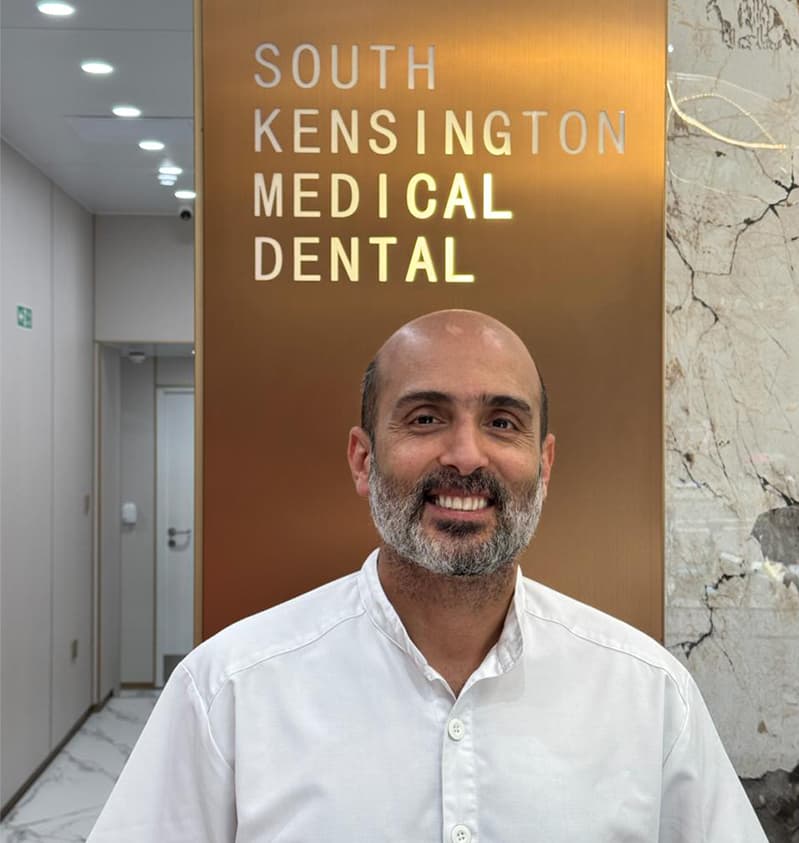
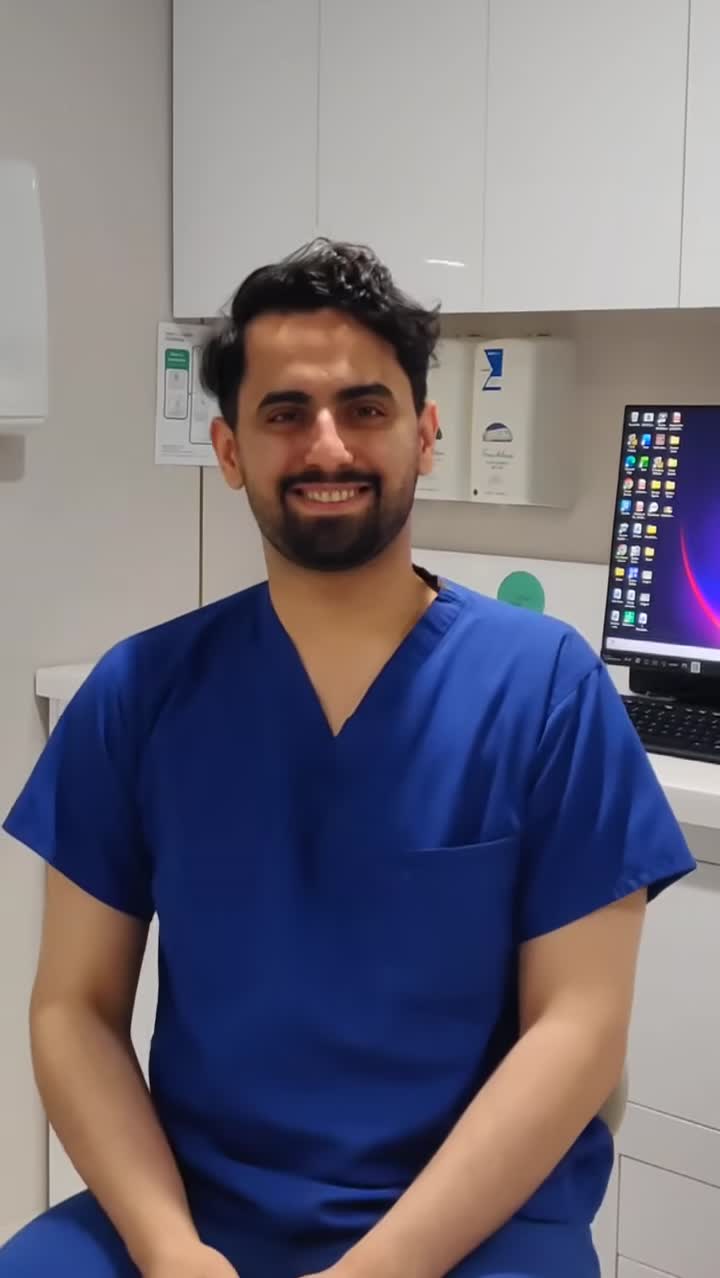
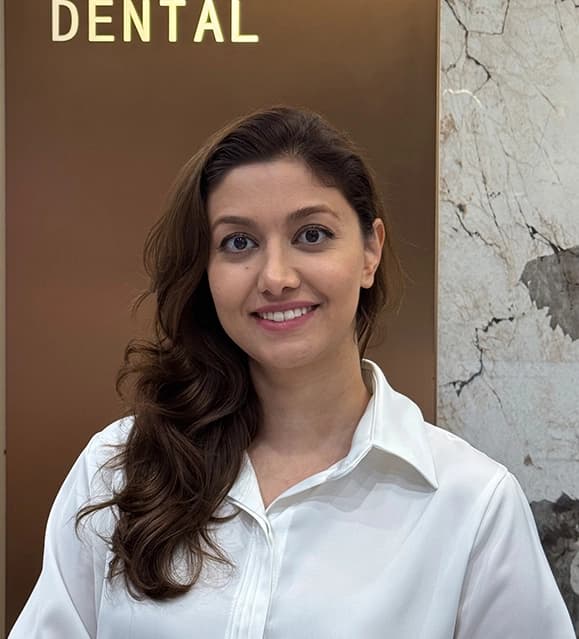
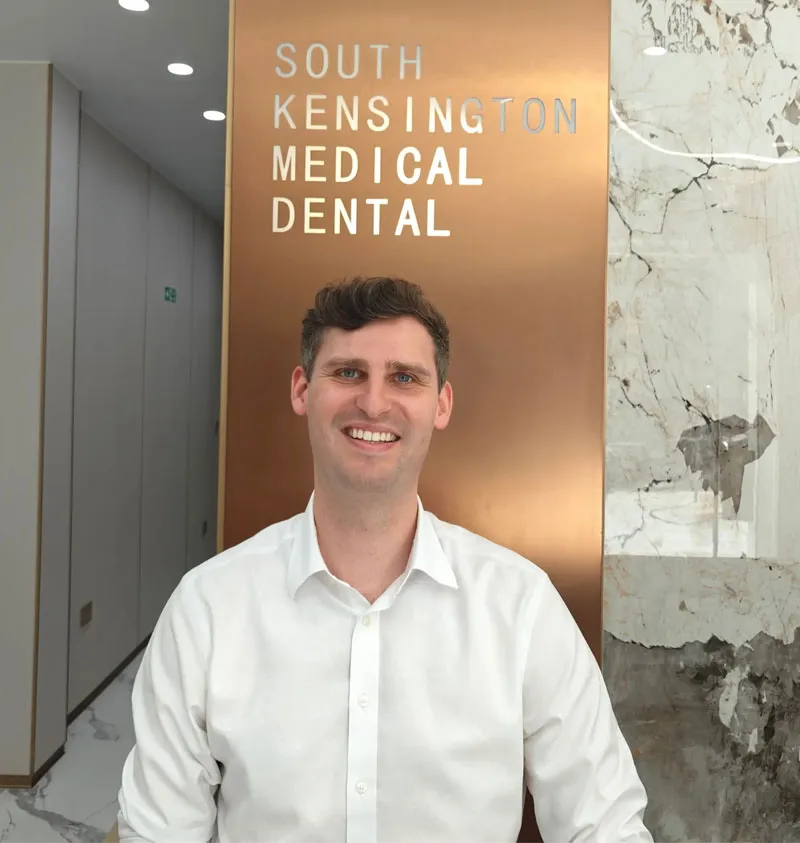
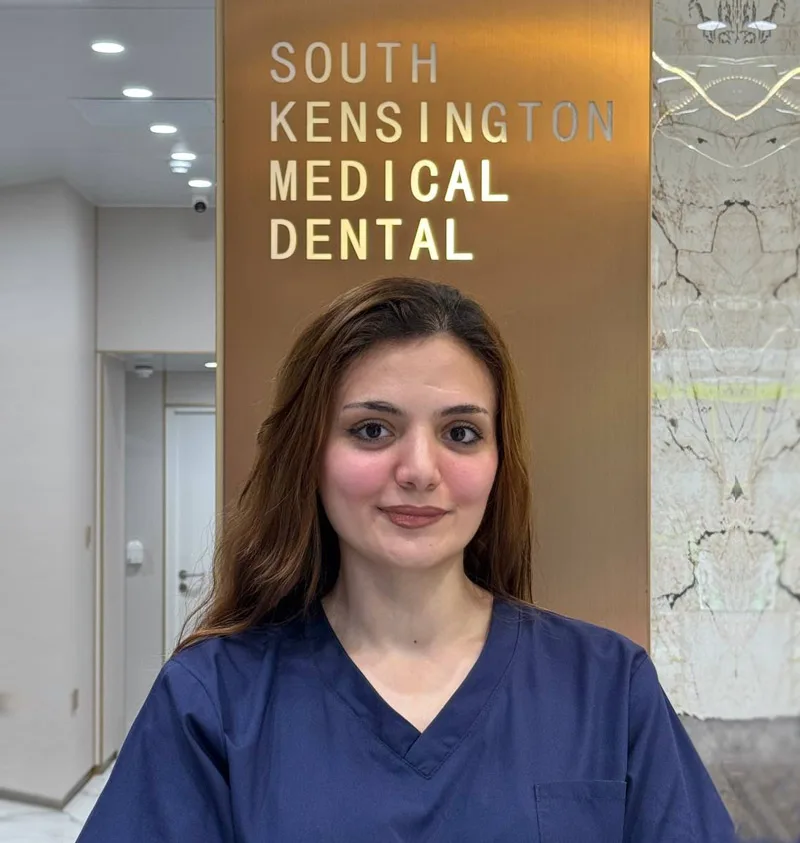
Meet Our Dental Team
Our experienced dental team is fully qualified and registered with the GDC, delivering safe, high-quality care in line with the highest professional standards.
Because our patients deserve nothing less.







Registered. Regulated. Trusted.
At Wimpole Street Medical & Dental, our clinicians are registered with the relevant UK regulatory bodies, including the GDC, GMC and NMC. Our dentists, dental nurses and medical professionals deliver care that meets the highest clinical, safety and ethical standards, because our patients deserve nothing less.
We Accept All Major Dental Insurances
We accept all major UK dental insurances, including AXA PPP Healthcare Dental Cover, Aviva Dental Insurance, Bupa Dental Cover, Cigna Dental Insurance, Vitality Dental Health Insurance, Unum and Boots Dental Plan Cover. We provide itemised receipts so you can claim back your treatment costs.








