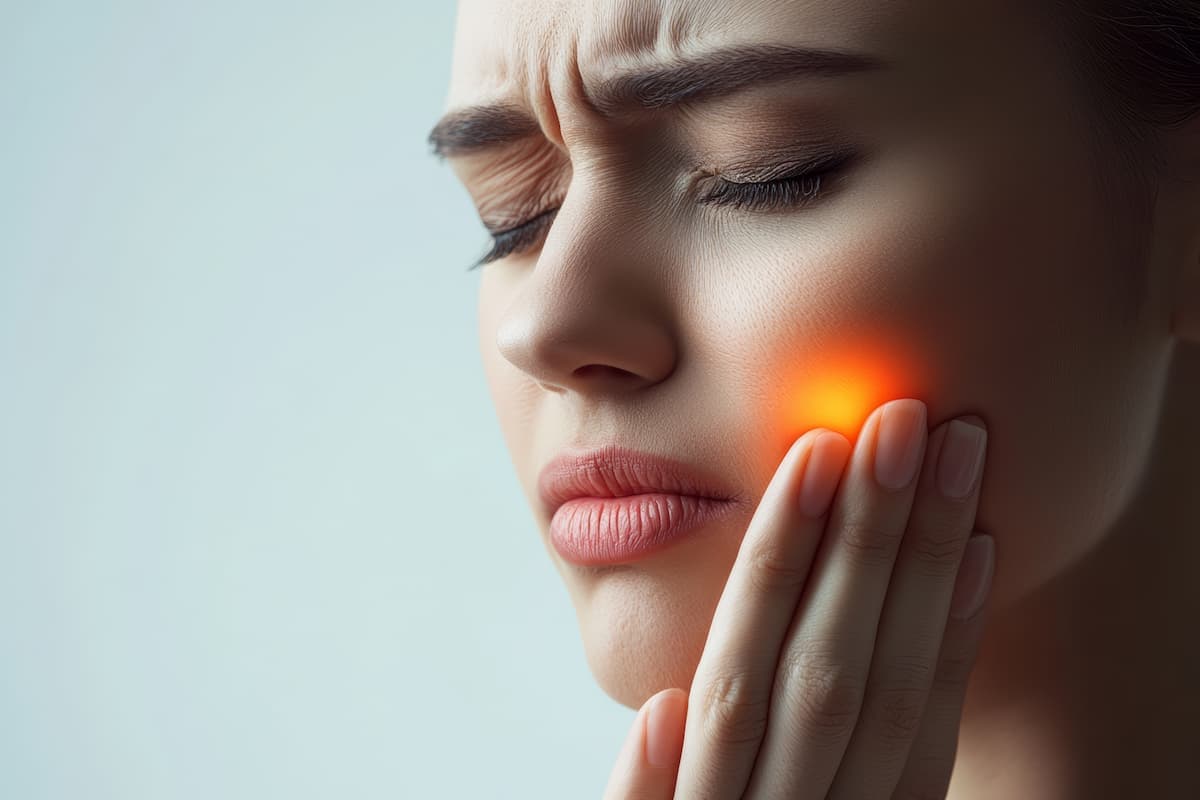
Sudden Molar Toothache: What You Can Do Before Dental Assessment
Throbbing tooth pain can be deeply unsettling, particularly when it arrives without warning or intensifies at inconvenient moments — often at night, when dental care is not immediately available. The pulsating or rhythmic quality of the discomfort is one of the most commonly described types of dental pain, and it tends to prompt understandable concern about what might be happening beneath the surface.
This article offers clear, evidence-aligned guidance on what throbbing tooth pain may indicate, what practical steps you can take before your dental assessment, and when it is appropriate to seek more prompt professional attention.
What Does Throbbing Tooth Pain Feel Like?
Throbbing or pulsating tooth pain is typically described as a rhythmic, beating sensation — often felt in or around one tooth but sometimes radiating into the jaw, ear, or temple. It may come in waves, coinciding with the heartbeat, or feel like a persistent pressure that intensifies with movement or changes in posture.
For some people, the pain is constant. For others, it is triggered by specific actions — biting down, eating something cold, or lying flat. The nature, location, and timing of the pain can all offer useful clinical information, though symptoms alone rarely confirm a single cause without professional examination.
Acknowledging that this type of pain can be genuinely distressing is important. If you are experiencing significant tooth pain, you are not overreacting by seeking assessment.
What Can Cause Throbbing Tooth Pain?
Throbbing tooth pain is not a condition in itself — it is a symptom. Several different dental problems can produce this type of pain, and distinguishing between them generally requires a clinical examination rather than symptom-checking alone.
Tooth Decay and Deeper Tooth Inflammation
One of the most common possible causes of a throbbing toothache is tooth decay that has progressed beyond the outer layers of the tooth. The outermost layer — enamel — does not contain nerves, so early decay is often painless. As decay moves deeper into the dentine and, in more advanced cases, toward the inner pulp tissue of the tooth, discomfort can begin to develop.
When the pulp — which contains the tooth's nerves and blood vessels — becomes inflamed, this is known as pulpitis. The increased blood flow and pressure within the confined space of the tooth can produce the distinctive throbbing or pulsating quality that many patients describe. Pulp inflammation may be reversible in its earlier stages, but if left unaddressed, it can progress. A dental professional can assess whether decay is present and how far it may have extended.
Dental Infection or Abscess
A dental abscess is a collection of pus that can form as a result of bacterial infection within or around the tooth or in the surrounding gum tissue. It may arise from untreated decay, a damaged tooth, or infection originating in the gum.
Throbbing pain associated with a dental abscess can be particularly intense and persistent. It may be accompanied by swelling, a bad taste in the mouth, sensitivity to pressure, or a small raised spot on the gum. In some cases, a general feeling of being unwell or a raised temperature may also be present.
It is important to understand that dental infections do not resolve on their own. A dentist can assess whether an infection is present and discuss appropriate management. Over-the-counter pain relief may reduce discomfort temporarily, but it does not address the underlying cause.
Cracked or Damaged Teeth
A cracked or fractured tooth can sometimes produce tooth pain that throbs, particularly when biting down or releasing pressure after biting. Cracks are not always visible to the naked eye and can be difficult to detect without a thorough dental examination.
The pain pattern with a cracked tooth can differ from that of decay or infection — it may be sharp and intermittent rather than a continuous ache — but some patients experience a persistent or recurring throbbing sensation, particularly if the crack has reached deeper tooth structures. Identifying a crack early offers more management options, which is one reason why prompt assessment tends to be recommended.
Gum-Related Problems
Inflammation or infection of the gum tissue, known as periodontal disease or gum disease, can also produce dental pain including discomfort that feels as though it is coming from a tooth. Swollen, inflamed gum tissue has an increased blood supply, and this can contribute to a throbbing or aching quality to the pain.
In some situations, a localised gum infection — sometimes called a periodontal abscess — can cause significant swelling and discomfort that is difficult to distinguish from a tooth-related problem without professional assessment. Good oral hygiene can help to support gum health over time, and a dentist or hygienist can advise on this during your appointment.
What Can You Do Before a Dental Assessment?
If you are experiencing throbbing tooth pain and are waiting for a dental appointment, there are several practical steps that may help you manage discomfort while you arrange professional care.
These suggestions are general guidance only and do not replace individual clinical advice.
Keeping your mouth gently clean
Continue brushing your teeth twice daily using a soft-bristled toothbrush. Keeping the affected area as clean as reasonably possible can help to avoid further irritation. Avoid scrubbing aggressively around a painful tooth, but do not avoid cleaning the area altogether.
Using appropriate over-the-counter pain relief
Non-prescription pain relief such as paracetamol or ibuprofen may help to reduce discomfort in the short term. Always follow the product instructions carefully, check that the medicine is suitable for you, and do not exceed the recommended dose. If you are unsure which option is appropriate for your circumstances, a pharmacist can offer guidance.
Adjusting what you eat and drink temporarily
Very hot or very cold food and drink may aggravate tooth pain that throbs, particularly if sensitivity is present. Choosing lukewarm or room-temperature options may reduce unnecessary discomfort while you wait for your appointment. Similarly, opting for softer foods can help to reduce pressure on a painful tooth.
Avoiding chewing on the painful side
Directing chewing pressure toward the unaffected side of your mouth can help to reduce pain triggered by biting or mechanical force on the tooth.
Arranging your dental assessment promptly
None of the above steps address the underlying cause of the pain. Arranging a dental assessment as soon as reasonably possible remains the most important step you can take.
What Should You Avoid With Throbbing Tooth Pain?
Some commonly suggested home remedies are not recommended and may be unhelpful or potentially harmful.
- Do not place aspirin directly against the gum or tooth. This can cause chemical irritation to soft tissue.
- Do not attempt to self-medicate with prescription antibiotics unless they have been specifically prescribed for you for this current problem.
- Do not use excessive amounts of clove oil or other topical agents beyond their intended guidance — some can cause tissue irritation if misapplied.
- Do not assume that pain settling means the problem has resolved. Throbbing tooth pain that temporarily eases may still reflect an underlying issue that requires assessment.
- Do not delay arranging an appointment simply because pain improves. If an infection was present, resolution of pain can sometimes indicate a change in the condition rather than recovery.
When Should You Arrange a Dental Assessment?
Current UK clinical guidance generally emphasises that persistent tooth pain should not be left without appropriate professional assessment. If you are experiencing throbbing tooth pain, arranging an appointment with a dentist is advisable — even if the pain is not yet severe.
The following symptoms suggest you should arrange assessment promptly:
- Pain that has persisted for more than a day or two without settling
- Pain that is preventing sleep or interfering with daily activities
- Increased sensitivity to hot or cold that lingers after the trigger is removed
- Pain when biting or applying pressure to the tooth
- Visible swelling in the gum, cheek, or face
- A bad taste in the mouth or visible discharge near a tooth
- A tooth that feels different when biting
The following symptoms may suggest that more urgent dental assessment is needed:
- Rapid or significant facial swelling
- Fever or feeling systemically unwell alongside tooth pain
- Difficulty opening the mouth
- Swollen lymph nodes in the neck or jaw
If you experience severe facial swelling that appears to be spreading, difficulty breathing or swallowing, or feel very unwell alongside a dental problem, call 999 or attend an emergency department rather than waiting for a routine dental appointment. If you cannot be seen quickly by a dental practice, NHS 111 can provide urgent dental advice. Dental infections, while uncommon in their most serious presentations, can occasionally spread beyond the immediate area.
How Might a Dentist Assess Throbbing Tooth Pain?
Understanding what to expect at your dental appointment may help to reduce any anxiety you have about attending.
A dentist will typically begin with a detailed discussion of your symptoms — when the pain started, what makes it better or worse, whether it is constant or intermittent, and whether you have had any previous dental problems in the area.
A clinical examination of the affected tooth and surrounding tissues will usually follow. This may include:
- Gently tapping on the tooth to assess sensitivity to percussion
- Testing the tooth's response to temperature or pressure
- Examining the gum tissue around the tooth
- Taking dental X-rays to assess the root, surrounding bone, and any deeper structural changes that are not visible on the surface
This combination of clinical history, examination, and diagnostic imaging allows a dentist to build a clearer picture of the likely cause and to discuss appropriate options with you. Self-diagnosis based on symptoms alone is unreliable — conditions that feel similar can require quite different management, and only a clinical assessment can guide this safely.
Can Throbbing Tooth Pain Go Away on Its Own?
This is a question many people understandably ask, particularly when the pain eases temporarily.
In some limited situations, mild tooth discomfort associated with temporary gum irritation or minor sensitivity may settle with improved oral hygiene and removal of the irritant. However, throbbing tooth pain that is persistent, recurrent, or associated with the kinds of symptoms described above is unlikely to resolve without professional intervention.
When pain appears to ease after a period of intensity — particularly when an infection may have been present — it does not always mean that the problem has resolved. A dentist can assess whether the situation has genuinely improved or whether clinical management is still appropriate.
Delaying assessment in the hope that pain will settle carries a risk that an underlying problem may progress further, which can sometimes make management more involved.
How Can You Reduce the Risk of Future Tooth Pain?
While not all dental problems are entirely preventable, maintaining good oral health habits significantly supports the long-term health of your teeth and gums.
A consistent oral health routine includes:
- Brushing teeth thoroughly twice daily with a fluoride toothpaste
- Cleaning between the teeth daily using floss, interdental brushes, or other suitable tools
- Attending regular dental check-ups, even when no pain is present
- Following dietary guidance that limits frequent consumption of sugary or acidic foods and drinks
- Speaking to your dentist about preventive options such as fluoride treatments or a tailored oral health plan if you have a history of tooth decay
Preventive dentistry focuses on identifying and addressing problems at the earliest possible stage — before pain and structural damage develop. Regular dental examinations allow a dentist to monitor areas of early concern and offer timely guidance.
Arranging Your Next Step
If you are experiencing throbbing tooth pain that has not settled, or if you have any of the symptoms described in this article, arranging a dental assessment is the most sensible next step. Wimpole Street MD provides emergency dental assessment for severe toothache, subject to appointment availability, and our GDC-registered clinicians can assess your symptoms and discuss the options that may be appropriate for your individual circumstances.
You do not need to be in severe pain to make an appointment. Early assessment often leads to more straightforward management. If your pain is worst overnight, it may also help to read about safe steps to minimise severe toothache at night.
Frequently Asked Questions
Can throbbing tooth pain settle temporarily before returning?
Yes, it can. Some people find that the pain fluctuates — easing at certain times and returning later. This pattern does not necessarily mean the underlying problem has resolved. Tooth pain that keeps returning or that was once severe warrants dental assessment even during a quieter period.
Why does throbbing tooth pain often feel worse at night?
Lying down can increase blood pressure in the head and face, which may intensify the pulsating sensation in an inflamed or infected tooth. The absence of daytime distractions may also make the pain feel more prominent. Night-time tooth pain that prevents sleep is a reasonable reason to seek a prompt dental appointment.
Can cold or hot food trigger throbbing tooth pain?
Yes. Temperature sensitivity is a common feature of certain tooth problems, including pulp inflammation and exposed dentine. In some cases, cold may briefly relieve pain if there is an active infection, while heat makes it worse — a pattern that a dentist may find clinically useful. However, the relationship between temperature and pain varies between individuals and conditions.
Does throbbing pain when biting suggest something different from constant aching?
Pain specifically triggered by biting or releasing pressure can sometimes point toward a cracked tooth or a dental abscess with associated pressure sensitivity. However, symptoms can overlap significantly between different conditions, and a clinical examination is needed to assess the cause accurately.
Will painkillers solve the problem?
Over-the-counter pain relief may reduce the discomfort associated with throbbing tooth pain, but it does not treat the underlying cause. If a dental infection, abscess, crack, or area of decay is present, pain relief alone will not resolve it. Using appropriate pain relief to manage discomfort while awaiting an appointment is reasonable; relying on it as a long-term solution is not.
Can a cracked tooth really cause throbbing pain?
Yes, it can — particularly if the crack has extended toward the pulp or has allowed bacteria to enter the tooth. Cracked teeth are not always visible and can be challenging to identify without specialist examination. If you suspect a crack, particularly after recent dental work, trauma, or biting on something hard, mention this when you contact your dentist.
Do I still need to see a dentist if my throbbing tooth pain improves?
Generally, yes. Pain that improves on its own may seem reassuring, but the underlying cause often remains. In the context of possible infection, an apparent easing of pain can occasionally reflect a change in the condition rather than true resolution. A dental assessment can establish what has happened and whether any management is appropriate.
Can throbbing pain in one area turn out to be coming from a different tooth?
Yes. Dental pain can sometimes be referred — meaning it is felt in a different location from its actual source. This is one reason why pinpointing a painful tooth purely by feel can be unreliable. A dentist uses clinical tests and imaging to locate the source accurately.
Is it safe to rinse with salt water while I wait for my appointment?
Gentle rinsing with warm salt water is a commonly suggested measure that many people find temporarily soothing, particularly if there is gum soreness or minor irritation. It is not a treatment and will not address the underlying cause of tooth pain, but it is generally considered safe for most adults when done gently. If you have any relevant health conditions, check with a pharmacist or your GP if you are unsure.
How soon should I expect to be seen for significant tooth pain?
Most dental practices aim to offer urgent appointments for patients experiencing significant dental pain. If you are registered with a practice, contact them directly and describe your symptoms. If you are not currently registered, NHS 111 can provide guidance on accessing urgent dental care in England.
Dental Disclaimer
This article is for general educational information only and is not dental advice, diagnosis, or treatment. Suitability of any assessment or treatment depends on your individual clinical circumstances and should be confirmed in person by a qualified, GDC-registered clinician. No treatment outcome can be guaranteed, and results vary between individuals. If you have symptoms or concerns, seek prompt advice from a registered dental professional.
Written Date: 21 August 2026 Next Review Date: 21 August 2027
Ready to Book an Appointment?
Our team is here to help you with all your dental and medical needs.








