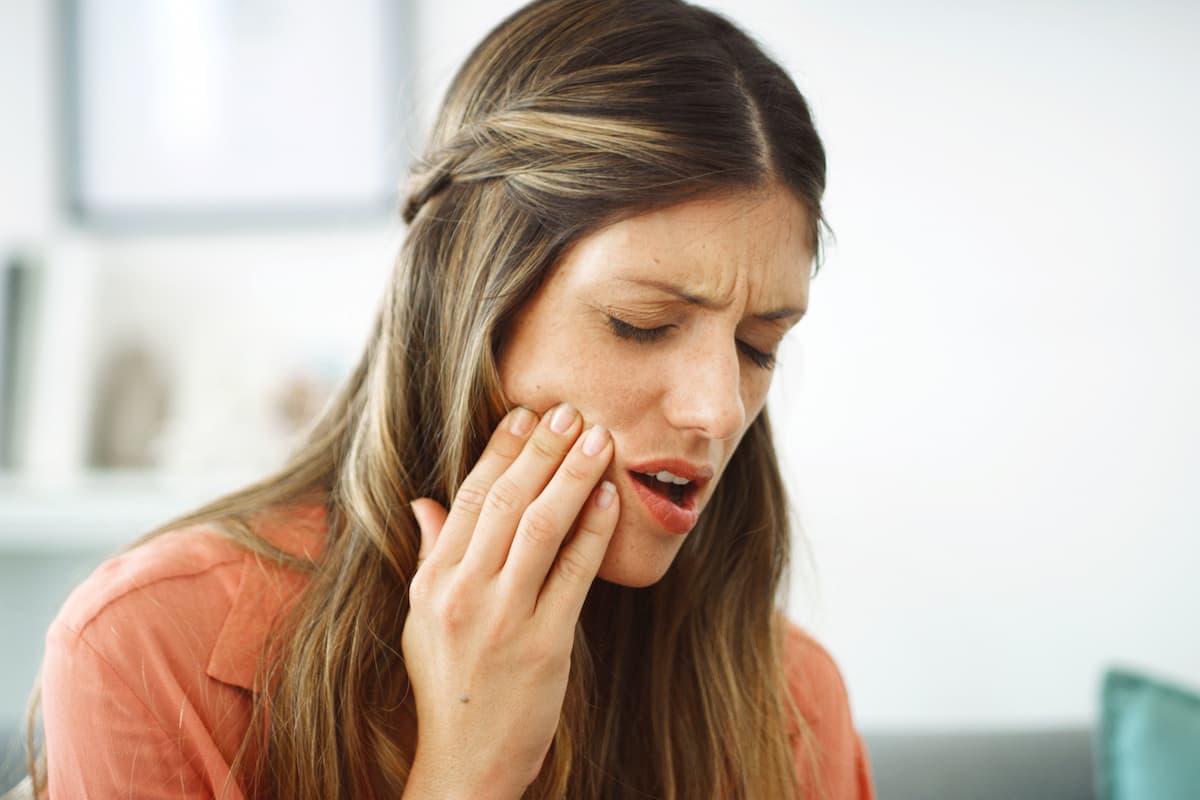
Why Is My Tooth Painful When Pressure Is Applied?
Noticing that a tooth is painful when pressure is applied — whether when biting into food, chewing or simply pressing on the tooth — can feel unsettling. It is a symptom that tends to get your attention precisely because it happens during everyday activities. Understanding what may be behind it can help you decide what to do next, and prompt an urgent dental examination booking where needed.
This article explains the possible reasons a tooth can hurt under pressure, what is happening in clinical terms, and when speaking to a dentist may be appropriate. It covers pressure-related discomfort after fillings, root canal treatment and dental crowns.
What Does It Mean When a Tooth Hurts Under Pressure?
Pain that occurs specifically when you bite, chew or press on a tooth is known as pressure-related or occlusal dental pain. It differs from continuous toothache or sensitivity triggered by temperature, and its distinct nature can provide useful clinical information.
The tooth is not simply a hard shell. Inside every tooth lies the dental pulp — a soft tissue containing nerves and blood vessels. The tooth is also surrounded by the periodontal tissues, including the periodontal ligament, a thin layer of fibrous tissue that connects the tooth root to the jawbone. Both of these structures contain nerve fibres capable of generating pain signals.
When pressure is applied to the tooth — through biting or chewing — forces are transmitted through the crown of the tooth down into the root and the surrounding tissues. If either the pulp or the periodontal tissues are inflamed, damaged or under stress, those forces can trigger pain.
Importantly, similar symptoms can arise from quite different underlying situations, which is why professional assessment rather than self-diagnosis is always the appropriate response.
Why Does a Tooth Hurt When Pressure Is Applied? Possible Causes Explained
There is no single answer to why a tooth may be sore when pressure is applied. A number of different situations may be associated with this symptom.
Inflammation Within the Tooth (Pulpitis)
The dental pulp can become inflamed in response to tooth decay, cracks, trauma or repeated dental procedures. This condition is known as pulpitis. When the pulp is inflamed, the pressure generated by biting can intensify pain signals. Depending on the extent of the inflammation, the tooth may also be sensitive to temperature, though some patients notice pressure sensitivity as the most prominent symptom.
Irritation Around the Tooth Root (Periapical Periodontitis)
When inflammation extends beyond the pulp to the tissues around the root tip, this can cause significant pain when biting or applying pressure. The periodontal ligament surrounding the root becomes sensitised, meaning even gentle pressure can feel uncomfortable. This may sometimes occur alongside or following pulp-related problems, particularly where there is active periodontal disease treatment overview.
Tooth Decay
Decay that has progressed into the inner layers of a tooth can expose or irritate the pulp, creating pressure sensitivity. If decay reaches the dentine — the layer beneath the outer enamel — it can make the tooth noticeably sore when pressure is applied, even before the pulp itself is directly involved. Depending on depth and location, white filling treatment details may be part of the management discussion.
A Cracked or Fractured Tooth
A cracked tooth can produce pain that is very specifically triggered by pressure — particularly when biting down or releasing a bite. The crack allows movement within the tooth structure, which stimulates nerve fibres in an unpredictable pattern. This can sometimes make the discomfort difficult to locate and intermittent in nature.
Cracks are not always visible, even on dental X-rays. A dentist may use specialised bite tests or illumination to help assess the tooth.
Periodontal Problems
Problems affecting the gum and bone supporting a tooth — such as gum disease affecting the deeper periodontal tissues — can make a tooth feel sore under pressure. If the supporting tissues are compromised, the tooth may move slightly when force is applied, generating discomfort from the already sensitised periodontal ligament.
An Altered or High Bite
Sometimes a tooth hurts simply because it is making contact with the opposing tooth slightly differently than it should — perhaps because a recent filling, crown or other restoration has altered the bite even minimally. This can cause the tooth to absorb more force than the surrounding tissues are accustomed to, leading to soreness.
Why Does a Tooth Hurt When Pressure Is Applied After a Filling?
It is not uncommon for a tooth to feel sore when pressure is applied in the days following a dental filling. There are several reasons this may occur, and it does not automatically mean something has gone wrong.
A filling can sometimes cause temporary inflammation of the pulp as it recovers from the procedure or from the decay that was present beforehand. The tooth may feel bruised or sensitive, particularly when biting.
One of the more common reasons for post-filling pressure discomfort is an altered bite. If the filling material sits even fractionally higher than the surrounding tooth surface, the tooth takes on additional biting force, which can cause considerable soreness. This is usually straightforward for a dentist to assess and adjust.
Pressure sensitivity after a filling that persists beyond a few weeks, or that worsens rather than gradually improves, is worth discussing with your dental team. Current clinical guidance supports appropriate review of post-treatment symptoms to ensure the tooth is responding as expected.
Does the discomfort feel different when biting with different teeth, or does it feel concentrated on the filled tooth specifically? Reflecting on this can help you describe your symptoms more clearly to your dentist.
Why Does a Tooth Hurt When Pressure Is Applied After Root Canal Treatment?
Some degree of tenderness or soreness when biting is a recognised experience following root canal treatment. The procedure involves working within the root canals and the surrounding tissues can remain temporarily inflamed or sensitised afterwards. This can make the tooth feel sore when pressure is applied for several days or even a few weeks.
This does not necessarily indicate a complication. The periodontal ligament around the treated root needs time to settle, and mild pressure sensitivity during this period may be part of the normal healing process.
However, a root canal tooth that hurts when pressure is applied and is showing symptoms that are worsening, not improving, or accompanied by swelling may benefit from clinical review. A dentist can assess whether the treatment area is healing appropriately or whether further investigation is needed, including whether broader root canal treatment options should be considered.
It is also worth noting that a tooth that has had root canal treatment may still have pressure-sensitive periodontal tissues around the root, even after the pulp has been treated. Root canal treatment addresses the tissue inside the tooth — it does not remove the surrounding structures.
Did the pressure-related pain begin immediately after treatment, or did it develop some weeks later? This distinction can be useful clinical information for your dentist.
Why Can a Capped or Crowned Tooth Hurt When Pressure Is Applied?
A dental crown restores and protects a tooth, but the presence of a crown does not prevent all forms of discomfort. Capped tooth pain when pressure is applied can arise from a number of possible situations:
- Bite adjustment issues: As with fillings, a crown that sits slightly too high can cause significant discomfort when biting. This typically resolves once the bite is adjusted.
- Problems beneath the crown: The tooth structure beneath a crown may still be vulnerable to decay or pulp changes over time. Pressure sensitivity could sometimes relate to what is happening within or around the root of the crowned tooth.
- Periodontal changes: Tissue around the crowned tooth can sometimes become inflamed, contributing to pressure-related discomfort.
- Cracking: In some cases, the tooth or crown itself may develop a crack.
If you are experiencing persistent capped tooth pain when pressure is applied, a dental review allows the dentist to assess both the crown and the underlying tooth structure, including the root and surrounding tissues where relevant. Where structural reinforcement is required, the dental crowns treatment page explains the usual clinical approach.
What Does "Pressure Inside the Tooth" Feel Like?
Some patients describe a sensation of pressure inside the tooth — as though there is something building up within it. This is a form of patient-reported sensation rather than a specific clinical diagnosis. Pulp inflammation or infection may sometimes create a feeling of fullness, throbbing or internal pressure, particularly if there is associated swelling of the surrounding tissues.
If you are experiencing a persistent sensation of pressure inside a tooth alongside pain when biting or spontaneous discomfort, these combined symptoms may indicate that the pulp or surrounding tissues are significantly affected, and dental assessment should not be delayed.
Can Tooth Pain Only When Pressure Is Applied Be a Sign of Infection?
Pressure-related tooth pain does not automatically indicate a dental infection, but infection is one of the possible situations that can be associated with this symptom.
A dental abscess — which occurs when bacteria cause infection in the pulp or the surrounding tissues — can produce significant pain when biting or applying pressure. Abscesses may sometimes be accompanied by swelling, a feeling of illness, a bad taste in the mouth, or a visible swelling near the tooth or gum. However, not all infections produce obvious visible signs.
Importantly, pain when pressure is applied can occur without infection and in situations where the tooth or its surrounding structures are inflamed but not infected.
If pressure-related pain is accompanied by facial swelling, difficulty swallowing or breathing, high temperature or a rapidly spreading swelling, this may require urgent or emergency care rather than a routine dental appointment. The NHS 111 service can provide guidance on urgent dental concerns.
What Can You Do Until the Tooth Is Assessed?
While awaiting a dental assessment, some general measures may help manage discomfort:
- Avoid hard, crunchy or chewy foods that place additional force on the affected tooth.
- Chew on the opposite side where possible to reduce pressure on the painful tooth.
- Over-the-counter pain relief such as paracetamol or ibuprofen may help manage discomfort. Always follow the product information, check for any contraindications and seek advice from a pharmacist if you are unsure about suitability.
- Avoid extreme temperatures if the tooth is also sensitive to hot or cold.
- Do not attempt to adjust the tooth yourself — attempting to file, drill or otherwise alter the tooth at home carries significant risk of damage.
These are general measures only. They are not a substitute for professional dental assessment and cannot address whatever underlying issue may be present.
When Should You Speak to a Dentist?
A tooth that is occasionally slightly sensitive is not always a cause for immediate concern. However, arranging a dental assessment is appropriate if:
- Pain when biting or applying pressure persists for more than a few days
- Symptoms are worsening rather than settling
- The discomfort is affecting your ability to eat or carry out daily activities
- You notice swelling around the tooth, gum or face
- You have recently had dental treatment and pressure sensitivity is not settling as expected
- The tooth has been physically damaged or knocked
- You experience a combination of symptoms including pressure pain, temperature sensitivity and spontaneous aching
Seek urgent or emergency dental care — or contact NHS 111 — if swelling is spreading, if you have difficulty breathing or swallowing, or if you feel generally unwell alongside dental pain.
Has the symptom changed over time — for example, has pressure sensitivity become more frequent or more intense? Changes in the character of pain are worth reporting to your dental team.
Frequently Asked Questions
Can a tooth be sore when pressure is applied without any sensitivity to hot or cold?
Yes. Some conditions, such as a cracked tooth or irritation around the root tip, may cause pain specifically when biting or applying pressure without producing obvious sensitivity to temperature. The absence of temperature sensitivity does not mean the tooth is unaffected — a dental assessment can help identify what is happening.
Can a tooth hurt when pressure is applied even if it looks completely normal?
Yes. Some causes of pressure-related dental pain, including cracks, early pulp inflammation or periapical changes, may not be visible to the naked eye. Dental X-rays and clinical tests such as bite testing or percussion testing help a dentist assess the tooth more thoroughly.
Does pressure pain after a filling always mean the filling needs to be replaced?
Not necessarily. Post-filling pressure sensitivity often relates to temporary pulp inflammation or a minor bite discrepancy rather than a fault in the filling itself. A bite adjustment is sometimes all that is needed. However, if symptoms persist, worsen or suggest the pulp is significantly affected, further assessment is appropriate.
Can a tooth that has had root canal treatment still be sensitive to pressure years later?
It is possible. The periodontal tissues surrounding the root remain present after root canal treatment, and these tissues can become sensitised or inflamed for various reasons over time. If a previously treated tooth becomes uncomfortable under pressure after a period of being settled, this warrants dental review.
Could a sore back tooth when pressure is applied be related to grinding or clenching?
Yes, this is a recognised possibility. Teeth grinding (bruxism) or jaw clenching can place significant repetitive force on teeth, causing the periodontal ligament to become sensitised and the teeth to feel sore when pressure is applied — particularly first thing in the morning. A dentist can assess for signs of grinding and discuss options if this appears to be a contributing factor.
If the pain from pressure stops suddenly, does that mean the tooth has healed?
Not necessarily. A sudden cessation of pain can sometimes reflect the pulp becoming less responsive — which in some clinical situations may indicate a change in the health status of the pulp rather than resolution of the problem. A tooth that was previously painful and has suddenly stopped responding to pressure should still be assessed if this change is unexpected.
Can pressure-related tooth pain come from the gum rather than the tooth itself?
Yes. Inflammation of the gum and supporting bone — associated with periodontal disease — can cause discomfort when pressure or biting forces are applied. In some cases, what feels like tooth pain may be partly or primarily related to the tissues surrounding and supporting the tooth.
Is it possible for a crowned tooth to develop decay underneath the crown?
Yes. The tooth structure beneath a dental crown can still be susceptible to decay, particularly around the crown margin where the crown meets the tooth. Decay developing beneath a crown may contribute to pressure-related discomfort. Regular dental check-ups are an important part of monitoring crowned teeth.
Can eating on one side of the mouth make pressure-related symptoms worse?
Consistently chewing on one side concentrates biting forces on those teeth. While it may be sensible to avoid the painful tooth in the short term, habitual one-sided chewing over a longer period can place uneven stress on teeth and jaw joints. Your dental team can advise on appropriate management.
Can anxiety or stress cause teeth to become sore under pressure?
Stress can contribute to jaw clenching or bruxism, which in turn can make teeth feel sore, ache or become more sensitive to biting forces. This is an indirect rather than direct relationship, but it is worth mentioning to your dentist if you are aware of clenching or grinding habits.
Dental Disclaimer
This article is for general educational information only and is not a diagnosis or personalised treatment plan. Dental suitability and outcomes vary by individual and must be confirmed after a clinical examination. If you have symptoms, seek advice from a GDC-registered dental professional promptly. For urgent swelling, breathing, swallowing, or severe pain concerns, contact NHS 111 or emergency services as appropriate. Wimpole Street Medical & Dental follows GDC, CQC, and UK ASA CAP Code principles for clear, non-misleading healthcare communication.
Written Date: 4 September 2026 Next Review Date: 4 September 2027
Ready to Book an Appointment?
Our team is here to help you with all your dental and medical needs.








