Teeth Whitening vs Veneers: Which Is Better for You?
Many people notice changes in their tooth colour over time and begin to consider cosmetic options. Two of the most commonly discussed are teeth whitening and dental veneers. Understanding the differences between them — and which may be more appropriate for your particular concern — requires looking beyond a simple comparison of price or appearance. The right option depends on the cause of discolouration, the condition of your teeth, what changes you are hoping to achieve and what a clinical assessment reveals about your individual suitability.
What Is the Difference Between Teeth Whitening and Veneers?
Although both treatments are associated with improving the appearance of teeth, they work in fundamentally different ways and are designed to address different concerns.
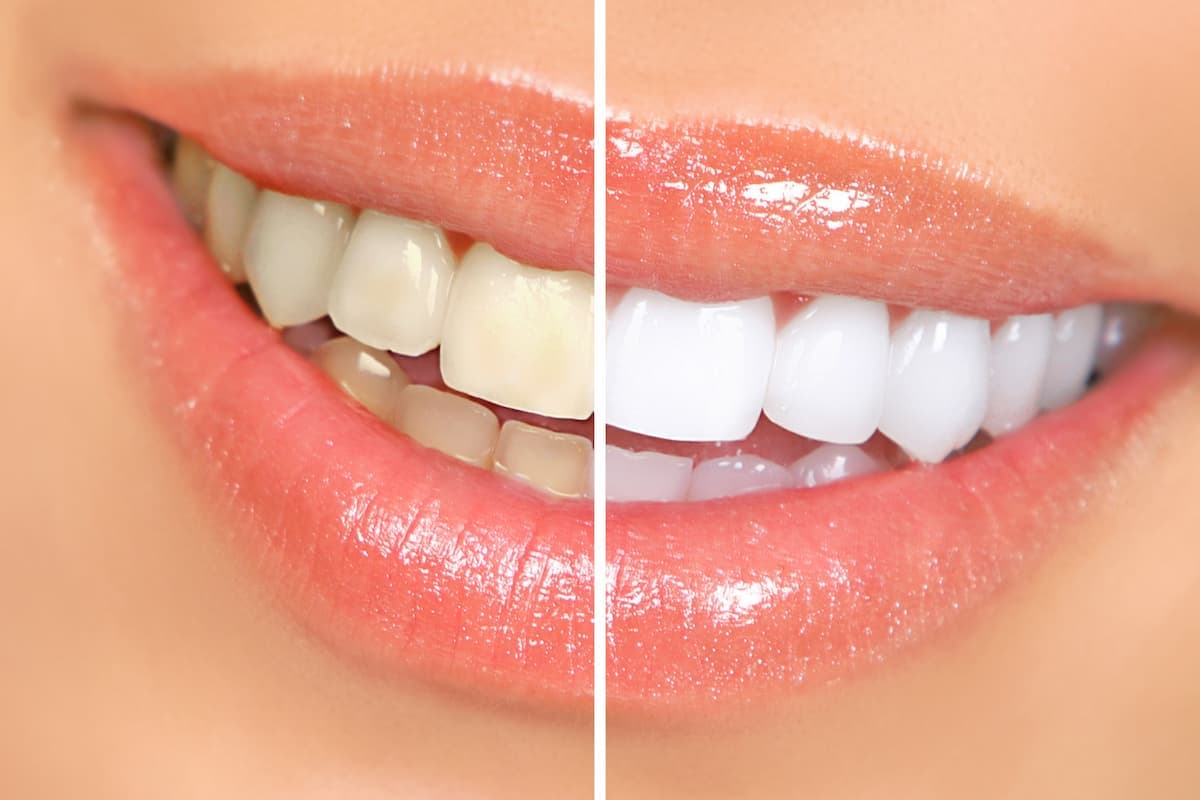
Teeth whitening is a colour-changing treatment. It uses a peroxide-based agent to lighten the natural shade of the tooth enamel. It does not change the shape, size or alignment of teeth, and it does not affect existing dental restorations such as fillings, crowns or previously fitted veneers.
Dental veneers are thin shells — typically made from porcelain or composite material — that are bonded to the visible front surface of the tooth. They can change colour, but they can also alter the apparent shape, length, proportion and texture of the tooth. This makes them a broader cosmetic option, though one that carries different clinical considerations and commitments.
Understanding this distinction is important. If your concern is primarily the colour of your natural teeth, these two options occupy different clinical territory. If your concern includes shape, size or other visible characteristics, veneers may address a wider range of goals — but this does not automatically make them the better choice for everyone.
How Teeth Whitening Changes Tooth Colour
Professional teeth whitening works by applying a bleaching agent — typically hydrogen peroxide or carbamide peroxide — to the enamel surface. This agent penetrates the enamel and breaks down chromogens (compounds responsible for staining), which lightens the overall tooth shade.
In the UK, professional dental whitening must be carried out by or under the prescription of a registered dental professional, in accordance with General Dental Council (GDC) guidelines. This ensures that the concentration of bleaching agent used is appropriate and that the treatment is supervised safely. Over-the-counter whitening products available to consumers are legally limited to very low peroxide concentrations and may not produce results comparable to professionally administered treatment.
Whitening typically addresses:
- Yellowing caused by foods and drinks such as coffee, tea and red wine
- Staining associated with tobacco use
- Age-related darkening of natural tooth enamel
- Some mild forms of intrinsic (internal) discolouration, depending on the cause
It is important to note that whitening does not work predictably on all types of discolouration. Tetracycline antibiotic staining, fluorosis, grey or brown internal discolouration, and staining associated with previous dental trauma can all respond differently — and sometimes minimally — to whitening treatment.
How Veneers Change the Appearance of Teeth
Dental veneers are custom-made shells bonded permanently to the front surface of the tooth. Porcelain veneers, in particular, are crafted to a specific colour, shape and translucency, meaning the final appearance can be more precisely controlled than with whitening alone.
Veneers may be considered when:
- Discolouration does not respond adequately to whitening
- There are concerns about tooth shape or proportion alongside colour
- Enamel has worn or chipped and the visual surface of the tooth is affected
- There are intrinsic stains that whitening is unlikely to address predictably
However, the preparation of teeth for porcelain veneers typically involves the irreversible removal of a small amount of enamel from the tooth surface. This is an important clinical consideration, as it means the tooth will require a veneer or restoration on that surface indefinitely. Not all patients are candidates for veneers, and enamel condition, bite, gum health and overall oral health must all be assessed beforehand, as discussed in this porcelain veneers guide.
Composite veneers — applied directly to the tooth surface without a laboratory stage — may involve less or no enamel removal in some cases, though clinical suitability still requires individual assessment.
Teeth Whitening vs Veneers: Key Differences
The table below summarises key areas of comparison. It is intended as an educational guide rather than a basis for personal treatment decisions.
| Factor | Teeth Whitening | Dental Veneers |
|---|---|---|
| Primary purpose | Lighten the colour of natural teeth | Change the visible appearance of the tooth surface |
| Changes colour | Yes | Yes |
| Changes shape or size | No | Yes |
| Affects existing restorations | No | No (restorations may need replacing separately) |
| Affects natural tooth structure | Minimal — no permanent removal of enamel | Typically involves irreversible enamel preparation |
| Reversibility | Largely reversible | Generally considered irreversible (porcelain) |
| Suitable for intrinsic staining | Depends on type and cause | Often better suited where whitening is insufficient |
| Suitable for extrinsic staining | Often appropriate | May not be necessary if whitening is effective |
| Sensitivity risk | Temporary sensitivity common | Some post-fitting sensitivity possible |
| Longevity (approximate) | Results may last 1–3 years with maintenance | Porcelain veneers may last longer with good care |
| Maintenance | Lifestyle adjustments and top-ups advised | Professional care required; restorations may need future replacement |
| Suitability depends on | Cause of staining, enamel condition, existing restorations | Enamel sufficiency, bite, gum health, overall oral health |
Which Option May Be More Appropriate for Discoloured Teeth?
This question is best approached by first considering the type and cause of the discolouration.
Extrinsic Staining
Extrinsic staining occurs on the outer surface of the enamel, often from dietary sources, beverages or tobacco. This type of staining may respond well to professional teeth whitening, particularly when it is the primary cosmetic concern and the underlying teeth are structurally healthy. A dental professional can assess whether professional cleaning followed by whitening could address the concern without more extensive treatment, especially when issues are similar to persistent tea staining.
Intrinsic Discolouration
Intrinsic discolouration originates within the tooth structure itself — this can be developmental, caused by certain medications (including tetracycline antibiotics taken during tooth development), fluorosis, or the result of dental trauma or previous treatment. Intrinsic staining may respond less predictably to whitening, and veneers may be considered as an alternative in some cases, depending on the extent and cause.
It is also worth noting that some discolouration has mixed causes — partly surface-based and partly internal — and the appropriate approach may vary accordingly. This is one reason why a professional assessment is genuinely useful rather than simply a formality.
What Are the Limitations of Teeth Whitening?
Teeth whitening is a well-established cosmetic dental treatment, but it has important limitations that are not always clearly communicated:
- Existing restorations will not change colour. If you have composite fillings, crowns or existing veneers on visible teeth, these will not respond to whitening agents. This can result in a mismatch between whitened natural teeth and unchanged restorations.
- Not all staining responds. Certain types of intrinsic discolouration — particularly tetracycline staining or fluorosis — may not improve meaningfully with whitening.
- Results are not permanent. Teeth can re-stain over time, and repeat treatment or maintenance may be needed to sustain results.
- Temporary sensitivity is common. Many people experience some tooth or gum sensitivity during or after whitening treatment. This is usually transient but should be discussed with a dental professional beforehand, particularly for those with existing sensitivity.
- Whitening does not improve tooth structure. If teeth are chipped, worn or disproportionate in appearance, whitening will not address these concerns.
What Are the Limitations of Veneers?
Veneers offer a wider range of cosmetic change than whitening, but they also carry their own important considerations:
- Enamel preparation is typically irreversible. For porcelain veneers, a thin layer of enamel is usually removed before the veneer is bonded. This is a permanent change to the tooth.
- Not everyone is a suitable candidate. People with insufficient enamel, active gum disease, heavily filled teeth, or certain bite patterns may not be appropriate candidates for veneers. Clinical assessment is essential.
- They do not whiten surrounding teeth. If veneers are placed on some teeth but not others, and the remaining natural teeth are noticeably darker, there may be a visible discrepancy. For this reason, teeth whitening and veneers are sometimes considered together as part of a wider treatment plan.
- Restorations require future management. Veneers do not last indefinitely and may need replacing over time. The cost and clinical implications of future replacement should be understood before proceeding.
- Colour matching requires planning. If you are considering whitening any natural teeth, this is generally recommended before veneer placement so that the veneers can be matched to the desired whitened shade.
How Long Do Results Last?
Longevity for both treatments varies depending on individual factors, oral hygiene, lifestyle and how well ongoing care is maintained.
Professional teeth whitening results are not permanent. Re-staining is a natural process, particularly for people who regularly consume coffee, tea or red wine, or who use tobacco. The duration of results can vary considerably between individuals, and periodic top-up treatments — carried out under dental supervision — may be considered to maintain appearance.
Porcelain veneers are generally considered more durable than whitening results in terms of colour stability, as porcelain is more resistant to surface staining than natural tooth enamel. However, veneers can chip, debond or become less aesthetically ideal over time, and they will ultimately need replacement at some point. The exact lifespan varies between patients and depends on bite forces, oral habits and the quality of clinical care received.
Composite veneers tend to be less durable than porcelain and may stain or chip more readily, though they can sometimes be repaired more easily.
What About Existing Fillings, Crowns or Veneers?
This is a concern that deserves clear explanation, as it affects a significant number of people considering cosmetic treatment.
Teeth whitening does not change the colour of dental restorations. If you have white composite fillings, ceramic crowns or existing veneers on your front teeth, whitening the surrounding natural teeth may make these restorations look noticeably different — either darker or mismatched. A dental professional can assess whether this is likely to be a concern and discuss options, which may include replacing or updating restorations to match a whitened shade.
Veneers placed over previously restored teeth require careful planning. If a tooth already has a significant filling or crown, veneer placement may not be appropriate, and an alternative restoration may be more suitable.
Can Teeth Whitening and Veneers Be Combined?
In some cases, teeth whitening and veneers may be used as part of a wider, planned cosmetic approach — for example, whitening the natural teeth first and then having veneers made to match the new, lighter shade. The sequence and planning of this approach is clinically important, and the decision about whether this is appropriate in any individual case requires professional assessment.
Whitening after veneers have been placed is not clinically recommended, as it will not affect the veneer colour but may alter the shade of the surrounding natural teeth, creating a mismatch.
How Should You Decide Between Whitening and Veneers?
The most useful starting point for anyone considering cosmetic dentistry for discoloured teeth is a thorough consultation with a registered dental professional. You can book a dental consultation to help clarify:
- The likely cause of the discolouration
- Whether whitening is likely to achieve a satisfactory result
- Whether veneers are clinically appropriate and what preparation would be involved
- The implications for existing restorations
- Realistic expectations for either option
- The longer-term maintenance and care involved
Decisions made on the basis of photographs, social media content or before-and-after galleries alone may not reflect clinical suitability. What is appropriate for one person may not be appropriate for another, even if the cosmetic concerns appear similar.
If your primary concern is the natural colour of your teeth and they are structurally healthy with no significant existing restorations, professional teeth whitening may be a reasonable first consideration to explore with a dental professional.
If your concerns extend to shape, proportion, size or a type of discolouration that may not respond well to whitening, veneers may be worth discussing — alongside a clear understanding of what their placement involves and what long-term care they require.
Frequently Asked Questions
Can whitening work on deep or internal tooth stains?
Whitening agents work on the outer layers of natural tooth enamel and can have some effect on mild intrinsic discolouration. However, deep internal staining — such as that caused by tetracycline antibiotics taken during tooth development, dental trauma or fluorosis — may respond minimally or unpredictably to whitening. A dental professional can assess the likely cause of any staining and help set realistic expectations before treatment begins.
Will veneers look completely white and uniform?
Porcelain veneers can be made in a wide range of shades and degrees of translucency, and a skilled dental professional will aim for a result that looks natural within the context of your overall appearance. The shade chosen depends on your preferences, the shade of surrounding teeth and clinical factors. Veneers do not have to appear artificially bright or uniform — the desired aesthetic outcome should be discussed thoroughly during the treatment planning stage.
Can I whiten my teeth if I already have veneers?
Whitening agents will not change the colour of existing porcelain or composite veneers. If you whiten the surrounding natural teeth after veneers are already in place, the veneers will remain the same shade, which may create a visible mismatch. If you are considering both whitening and veneers, it is generally advisable to whiten first — so the veneers can be crafted to match your lighter natural tooth colour.
Are veneers painful or uncomfortable to have fitted?
The preparation and fitting of veneers is typically carried out under local anaesthetic, so discomfort during the procedure is generally minimised. Some patients experience temporary sensitivity after enamel preparation or following fitting, particularly to temperature. This usually settles, though individual experiences vary. Any concerns about discomfort should be discussed with your dental professional beforehand.
Can I have whitening if I have sensitivity?
Tooth sensitivity is one of the most commonly reported side effects of teeth whitening, and it is usually temporary. However, people with pre-existing tooth sensitivity, exposed dentine, cracked teeth or gum recession may experience heightened sensitivity during or after treatment. A dental professional can assess whether whitening is suitable and may recommend approaches to manage sensitivity, such as the use of desensitising products.
Is teeth whitening available on the NHS?
Teeth whitening for cosmetic purposes is generally not available on the NHS. It is classified as a cosmetic treatment and is therefore provided privately. If you are considering whitening, it is important to ensure treatment is carried out by — or under the prescription of — a registered dental professional, in compliance with GDC regulations. Home whitening kits sold without a dental prescription may not be legally compliant or clinically appropriate.
What happens to veneers over time as my other teeth age naturally?
Natural teeth can continue to change colour over time due to diet, lifestyle and ageing. Porcelain veneers are generally more resistant to staining than natural enamel, which means that over several years, there may be a gradual difference between the veneer colour and the surrounding natural teeth. This is a consideration worth discussing before treatment, as it may influence decisions about the number of teeth treated and the need for future whitening or veneer replacement.
Can veneers be removed if I change my mind?
Porcelain veneers that require enamel preparation are not considered reversible. Once enamel is removed, the tooth surface cannot be restored to its original state, and some form of covering or restoration will always be required on that tooth thereafter. This is why careful consideration and thorough discussion with a dental professional before proceeding is important. Composite veneers, in some cases, may be removed more readily, though individual circumstances vary.
Is there an age at which whitening or veneers are not recommended?
Whitening is generally not recommended for children and is typically considered only for adults whose permanent teeth have fully developed. Veneers on young patients also carry particular considerations, as tooth structure continues to develop through adolescence and the pulp (nerve) of the tooth is proportionally larger in younger teeth, which affects the clinical approach. A dental professional can advise on suitability based on age and tooth development.
What if neither whitening nor veneers is suitable for me?
If whitening is unlikely to achieve a satisfactory result and veneers are not appropriate based on clinical findings, other cosmetic or restorative options may be discussed, such as dental bonding, crowns or a combination of approaches. The goal of a professional consultation is to understand your concerns and identify what options are clinically feasible for your specific situation, rather than limiting the discussion to any two treatments.
Dental Disclaimer
- This article is for general educational purposes only.
- It is not dental or medical advice and does not replace a clinical consultation.
- Suitability for whitening or veneers depends on findings from an in-person examination.
- Outcomes and longevity vary between individuals, and no result is guaranteed.
- If you have concerns about tooth appearance or health, consult a qualified dental professional.
- Written Date: 17 August 2026
- Next Review Date: 17 August 2027
Ready to Book an Appointment?
Our team is here to help you with all your dental and medical needs.