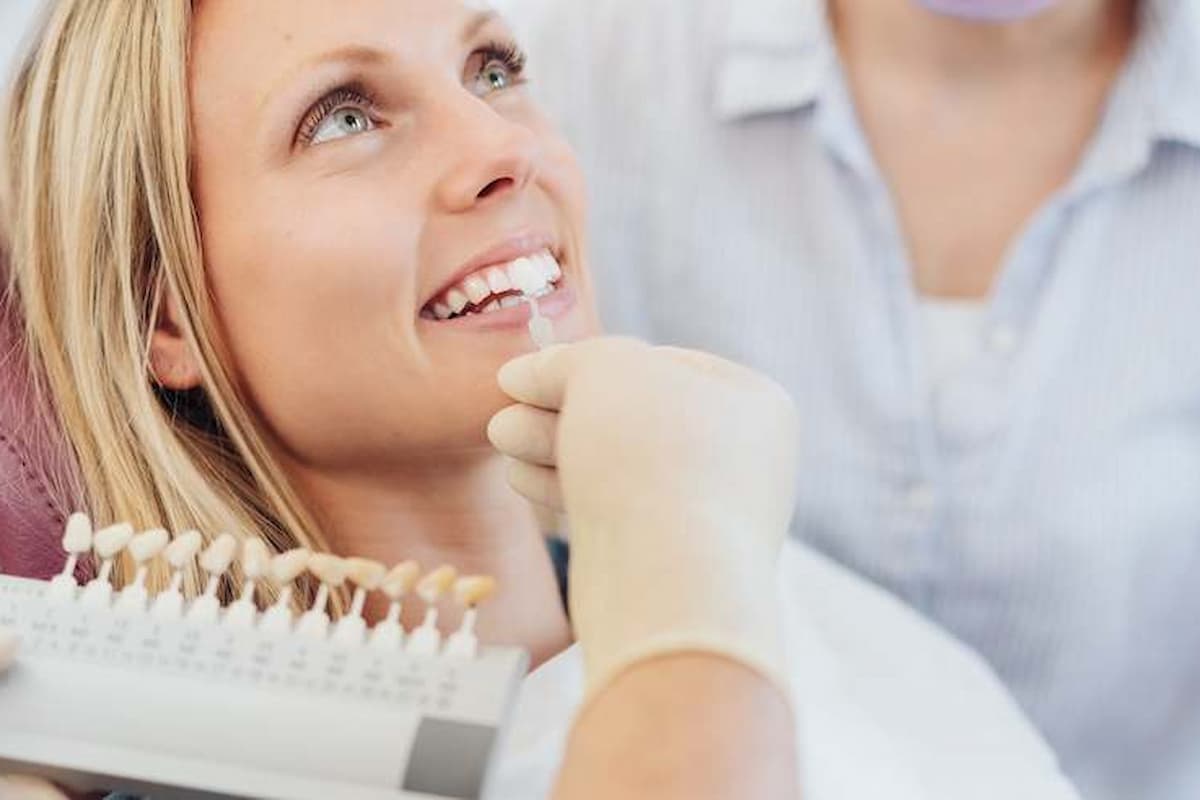
Porcelain Veneers: The Ultimate Smile Transformation Guide
Many people consider how their smile looks and whether changes might be possible. For some, that curiosity leads them to explore cosmetic dentistry options — and porcelain veneers are among the most frequently discussed. Understanding what they involve, how they work and whether they might be appropriate for your circumstances is an important first step in any decision-making process.
This guide aims to provide honest, evidence-based information to help you understand porcelain veneers more fully before exploring a professional consultation.
What Are Porcelain Veneers?
Porcelain veneers are designed to sit over the visible surface of a tooth, changing its colour, shape, size or overall appearance. Each veneer is individually crafted in a dental laboratory to match the surrounding teeth and the desired aesthetic outcome, as discussed between the patient and their dentist.
The porcelain used in modern veneers is a form of dental ceramic engineered to mimic the translucency of natural tooth enamel. Unlike natural enamel, however, ceramic is not a living tissue and cannot repair itself if it chips or fractures.
It is worth distinguishing veneers from dental crowns. A crown covers the entire tooth, whereas a veneer typically covers only the front-facing surface. This distinction matters clinically, because the extent of tooth preparation required differs significantly between the two.
How Does Porcelain Veneer Treatment Work?
Understanding the general treatment pathway can help you approach a consultation with realistic expectations. The specific steps will always be determined by your own clinical circumstances, and your dentist will explain the process relevant to you.
Initial Assessment and Planning
Any responsible veneer treatment begins with a thorough dental assessment. A dentist will typically examine your teeth and gums, review your dental and medical history, discuss your concerns and aesthetic goals, and take relevant clinical records such as photographs, impressions or digital scans.
This stage helps determine whether your oral health is suitable to proceed. Gum disease, active decay or bite-related issues often need to be addressed before cosmetic treatment is considered. A professional consultation is the appropriate setting to explore suitability — not an online search.
Tooth Preparation
In most cases, a small amount of enamel is removed from the front surface of the tooth before a veneer is placed. The amount removed is generally minimal but varies depending on the type of veneer and the clinical situation.
This step is widely described in dental literature as irreversible — once enamel has been removed, the tooth will require a restoration of some kind for the rest of its life. Some minimally prepared or no-preparation veneer options exist, but their suitability is highly case-specific and not appropriate for every patient. Your dentist is best placed to advise on which approach may be suitable for your situation.
Fabrication and Fitting
Impressions or digital scans of your prepared teeth are sent to a dental laboratory, where your veneers are custom-made. Temporary veneers may be placed while the permanent ones are being fabricated.
At the fitting appointment, the veneers are checked for fit, shade and shape before being permanently bonded to the teeth using a dental adhesive. Minor adjustments may be made at this stage.
Who May Be Suitable for Porcelain Veneers?
Suitability for porcelain veneers depends on a range of individual clinical factors. A dentist must assess these in person — no online resource can determine whether veneers are appropriate for any particular patient.
Factors that a dentist may consider include:
- Overall oral health — Gum disease and untreated decay should generally be resolved before cosmetic treatment begins.
- Tooth structure — Teeth must have sufficient enamel to support preparation and bonding.
- Bite and jaw function — People with heavy biting forces or who grind or clench their teeth (bruxism) may face higher risks of veneer fracture or failure.
- Existing restorations — Large fillings or previous damage may affect how well a veneer can be placed and retained.
- Realistic expectations — Veneers can improve appearance significantly, but outcomes vary and no result can be guaranteed.
- Commitment to oral hygiene — Long-term maintenance depends on good brushing, flossing and professional care.
- Gum health — Gum recession or inflammation can affect the aesthetics and longevity of veneers.
People who smoke, consume heavily staining substances or have certain systemic health conditions may also receive tailored advice from their dentist about whether treatment is advisable.
What Are the Potential Benefits of Porcelain Veneers?
When assessed as clinically appropriate and placed by a skilled dental professional, porcelain veneers may offer a range of aesthetic and functional improvements.
Potential benefits commonly discussed in dental literature and patient communication include:
- Improvement in tooth colour, particularly for staining that does not respond to professional whitening
- Correction of minor chips, fractures or worn edges
- Improvement in tooth shape, length or proportion
- Closing small gaps between teeth
- Creating greater visual symmetry in the smile
- Durability compared to some alternative materials, due to the properties of dental ceramic
- A relatively natural appearance, as porcelain can replicate the translucency of enamel
It is important to approach these potential benefits with balanced expectations. Individual results vary considerably depending on clinical factors, the skill of the dental team and the laboratory, and how well the restorations are maintained over time. No dental provider can guarantee a specific cosmetic outcome.
What Are the Limitations and Risks of Porcelain Veneers?
Providing honest information about the limitations and risks of treatment is a core principle of responsible dental communication, consistent with General Dental Council guidance on patient-centred care.
Irreversibility
As noted above, enamel removal is permanent. This is one of the most significant considerations for anyone thinking about porcelain veneers. Once prepared, a tooth will require a veneer or other restoration indefinitely.
Tooth Sensitivity
Following preparation, some patients experience increased sensitivity to temperature or pressure. This is often temporary, but in some cases sensitivity may persist. A dentist should discuss this risk with you in advance.
Fracture and Chipping
Porcelain, while durable, can chip or fracture under certain conditions — particularly heavy biting forces, trauma or habits such as nail biting, chewing ice or teeth grinding. A chipped veneer often requires replacement rather than simple repair.
Debonding
Veneers may occasionally detach from the underlying tooth. The likelihood of debonding can be influenced by the quality of the bond, the condition of the tooth, bite forces and oral hygiene.
Colour Change and Staining
Porcelain itself is generally resistant to staining, but the adhesive at the veneer margins may discolour over time. Unlike natural teeth, veneers cannot be whitened with bleaching products, which means that if you wish to whiten your natural teeth, this should ideally be completed before veneer shade selection using professionally supervised teeth whitening.
Gum-Related Considerations
Changes in gum position over time — such as recession — can affect how veneers look, particularly along the margins where veneer meets gum.
Replacement
Veneers are not designed to last indefinitely. They will likely need replacement at some point, which involves further clinical work and associated costs.
How Long Do Porcelain Veneers Last?
One of the most common questions patients have is about the longevity of their veneers. The honest answer is that lifespan varies considerably between individuals and depends on multiple factors.
Research published in peer-reviewed dental journals suggests that well-placed porcelain veneers can remain functional for ten years or more in many cases, with some studies reporting good survival rates over fifteen years. However, it is important to note that these figures reflect population-level data across varied patient groups — they do not predict the outcome for any individual patient.
Factors that may influence how long veneers last include:
- The quality of initial tooth preparation and bonding
- The skill and experience of the placing dentist and laboratory
- Individual bite forces and jaw function
- The presence of bruxism (teeth grinding or clenching)
- Oral hygiene practices
- Dietary habits
- Attendance at regular dental check-ups
- Adherence to aftercare advice
Your dentist is best placed to give you a realistic indication of expected longevity based on your specific clinical circumstances.
How Much Do Porcelain Veneers Cost in the UK?
Porcelain veneers in the UK are not available on the NHS and are provided as a private treatment. Costs vary considerably between practices, regions and individual patients.
Factors that can influence the cost of veneer treatment include:
- The number of veneers required
- The complexity of your clinical case
- Whether preparatory treatment is needed (such as gum treatment or orthodontics)
- The type of porcelain and laboratory used
- The experience and qualifications of the dental team
- The location of the dental practice
Rather than focusing on headline prices, it is worth asking about what is included in the quoted fee — such as the consultation, temporary veneers, adjustments and follow-up appointments. Transparent fee structures are a hallmark of responsible dental practice, consistent with Care Quality Commission expectations for patient information.
Some patients consider finance options offered by dental practices. If this applies to you, it is worth understanding the full terms before committing.
Porcelain Veneers vs Composite Veneers
Composite veneers are an alternative to porcelain that some patients consider. Both have distinct characteristics, and neither is universally superior — the right option depends on individual clinical needs, expectations and circumstances. If you want a dedicated side-by-side breakdown, see porcelain veneers vs composite veneers.
| Feature | Porcelain Veneers | Composite Veneers |
|---|---|---|
| Material | Dental ceramic | Tooth-coloured resin |
| Fabrication | Laboratory-made | Often chairside (same appointment) |
| Durability | Generally higher | Generally lower |
| Appearance | High translucency; very natural-looking | Good, but can vary |
| Reversibility | Usually irreversible | Often more reversible |
| Longevity | Typically longer | Typically shorter |
| Repairability | Difficult to repair | Easier to repair |
| Cost | Generally higher | Generally lower |
| Stain resistance | Generally higher | Can be more susceptible |
For patients exploring options, it is worth discussing both pathways during a consultation. Composite veneers may suit some patients very well, particularly those who prefer a more reversible starting point or who have budgetary considerations.
Teeth whitening and orthodontic treatment are also worth discussing with a dentist, as they may address certain concerns without the need for any irreversible tooth preparation.
Caring for Porcelain Veneers: Aftercare and Maintenance
Maintaining good oral hygiene and attending regular professional appointments are among the most important things you can do to protect your veneers over time.
Daily Oral Hygiene
- Brush twice daily with a fluoride toothpaste — a non-abrasive formulation is generally recommended to avoid scratching veneer surfaces
- Floss or use interdental brushes daily to keep gum margins healthy
- Avoid using very hard-bristled toothbrushes
Dietary and Lifestyle Considerations
- Avoid using teeth as tools (opening bottles, biting packaging)
- Be mindful of very hard foods that may stress veneer bonds
- Limit excessive consumption of heavily staining foods and drinks, particularly at the margins
- If you smoke, be aware that this may affect gum health and veneer appearance over time
Professional Care
Regular dental check-ups allow your dentist to monitor the condition of your veneers, the underlying teeth and your gum health. Professional cleaning can address build-up at margins that daily hygiene may miss. If you have been prescribed a nightguard for bruxism, wearing it consistently is important for veneer protection.
Protecting Against Bruxism
If you grind or clench your teeth, your dentist may recommend a custom-made occlusal splint or nightguard. Wearing this regularly can significantly reduce the mechanical stress placed on veneers during sleep.
Questions to Consider Before Exploring Porcelain Veneers
A thoughtful consultation is the appropriate starting point for any patient considering veneers. It may be helpful to consider the following questions in advance:
- Are my teeth and gums currently in good health?
- Am I comfortable with the irreversible nature of tooth preparation?
- Do I understand that veneers will need maintenance and eventual replacement?
- Have I considered alternative options such as teeth whitening, composite veneers or orthodontics?
- Are my expectations realistic, and have I discussed them openly with a dental professional?
- Am I prepared to maintain good oral hygiene and attend regular check-ups?
A dentist who takes time to understand your concerns, explains the process clearly and discusses risks as well as benefits is offering the kind of patient-centred care that supports good long-term outcomes.
Considering Your Next Step
If you are thinking about porcelain veneers and would like to understand whether they may be appropriate for your circumstances, the most productive step is a professional dental consultation. This allows a qualified dentist to assess your oral health, discuss your goals and help you understand your options clearly — without any commitment to treatment.
Healthy, well-informed patients who understand both the possibilities and the limitations of a treatment are best placed to make decisions that serve their long-term oral health.
Frequently Asked Questions
Are porcelain veneers permanent?
Porcelain veneers are not permanent in the sense that they will not last indefinitely — they are likely to need replacement at some point over your lifetime. However, the tooth preparation involved is generally considered irreversible, meaning the tooth will require some form of restoration from that point onwards. This is an important distinction to understand before proceeding.
Can porcelain veneers be whitened if they discolour?
No. Porcelain itself does not respond to standard tooth whitening treatments. If your natural teeth change colour over time, this can create a visible mismatch with existing veneers. For this reason, many dentists recommend completing any tooth whitening before selecting your veneer shade.
Do porcelain veneers look natural?
Modern dental porcelain is designed to replicate the translucency and texture of natural tooth enamel. In many cases, well-placed veneers are difficult to distinguish from natural teeth. However, the final result depends on the skill of the dentist and laboratory, the shade selection process and the individual's tooth anatomy.
Can I get veneers if I grind my teeth?
Bruxism — habitual teeth grinding or clenching — is a significant consideration in veneer suitability. Heavy grinding forces can increase the risk of veneer fracture or debonding. A dentist may recommend addressing bruxism first, or discuss whether a protective nightguard would be appropriate alongside treatment. This is something to raise openly during your consultation.
Is there any alternative to enamel removal for veneers?
In some clinical cases, very minimally prepared or no-preparation veneers may be an option. However, suitability is highly dependent on individual tooth anatomy, existing tooth position and the desired outcome. These approaches are not suitable for all patients, and a thorough clinical assessment is needed to determine whether they are an option.
Will I need to avoid certain foods after getting veneers?
In the initial days following veneer placement, your dentist will typically advise avoiding very hard or very sticky foods. Over the longer term, general care around hard foods, nail biting, chewing ice or using teeth as tools is advisable to reduce the risk of chipping. Your dentist will provide specific aftercare guidance relevant to your situation.
How many veneers do I need?
The number of veneers depends entirely on which teeth are involved in your concern and what outcome you are hoping to achieve. Some patients have a single veneer to address a specific tooth, while others have multiple veneers placed across the visible smile zone. Your dentist will recommend an appropriate approach based on your clinical assessment and aesthetic goals.
Can veneers fix gaps between teeth?
Veneers can sometimes close small gaps between teeth by slightly adjusting the shape or width of adjacent teeth. However, they are not always the most appropriate solution for spacing concerns. Orthodontic treatment or other restorative options may be more suitable in certain cases. A dentist can advise on the best approach for your specific situation.
What happens if a porcelain veneer chips or falls off?
A chipped veneer may need to be replaced rather than repaired, as composite bonding to porcelain is less predictable than primary placement. If a veneer debonds (falls off), you should contact your dentist as soon as possible. Do not attempt to reattach it yourself. In many cases, a debonded veneer can be reattached, depending on its condition and the state of the underlying tooth.
Is a consultation for porcelain veneers different from a standard dental check-up?
A veneer consultation typically involves more detailed discussion and clinical records than a routine check-up. Your dentist may take photographs, study models or digital scans, and spend time understanding your concerns and expectations. It is an opportunity to ask questions and receive tailored clinical advice — and it does not commit you to treatment.
Dental Disclaimer
This article is for general education only and is not a substitute for clinical diagnosis or personalised advice. Suitability for veneers depends on individual assessment, oral health, and treatment goals. Outcomes, longevity, and risks vary between patients, and no specific result can be guaranteed. If you are considering veneers, consult a GDC-registered dental professional for individual advice. Treatment decisions should be made after a full in-person examination.
- Written Date: 14 August 2026
- Next Review Date: 14 August 2027
Ready to Book an Appointment?
Our team is here to help you with all your dental and medical needs.








