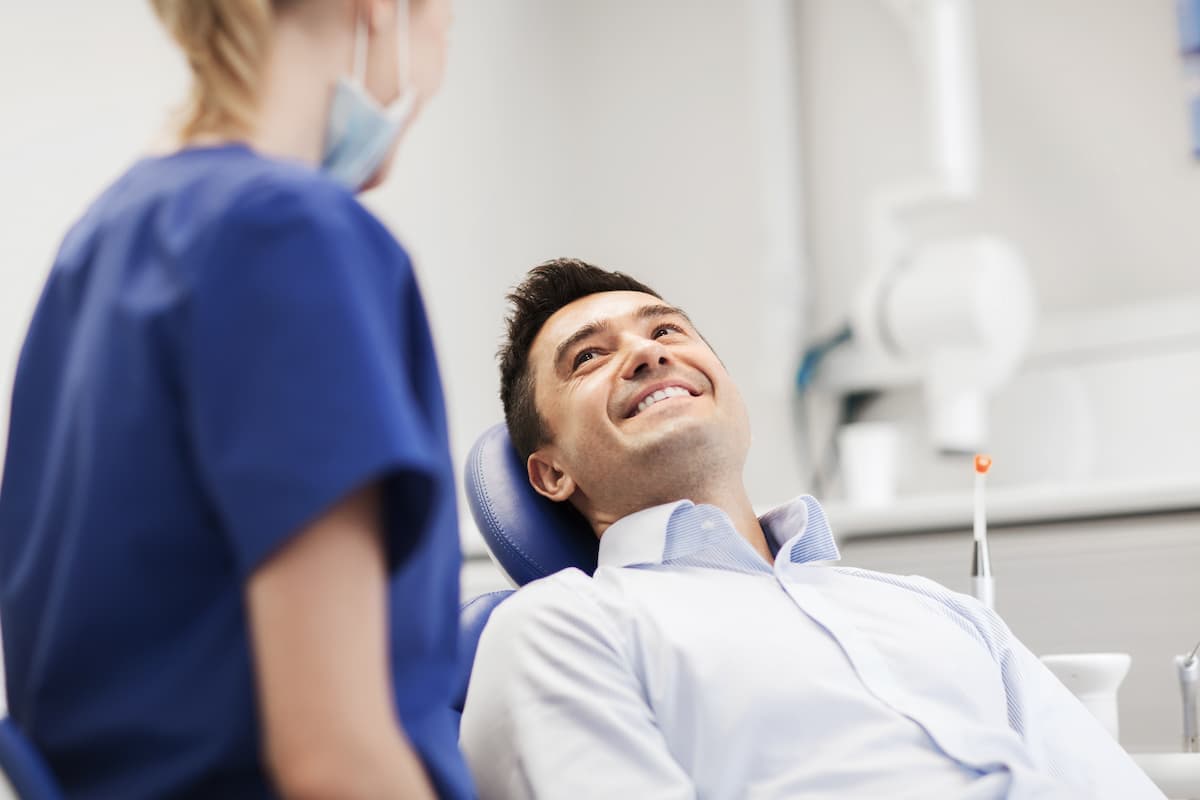
Seeking Prompt Dental Care: When A Private Appointment May Help
There are moments when a dental concern prompts you to think carefully about your options. Perhaps you have noticed a change in your teeth or gums that feels new, or you simply know that your routine dental care has slipped. Whether you are wondering about a specific symptom, considering a check-up after some time away from the dentist, or looking into options beyond your current NHS practice, understanding when a private dentist appointment may be helpful is a useful starting point for making an informed choice.
This article is designed to help you think clearly about private dental care — not to promote it as the automatic answer, but to help you understand what circumstances might make it worth considering, what to expect, and how to decide whether it is appropriate for you.
Quick Answer — When may a private dentist appointment help? A private dental appointment may be worth considering when you need a thorough oral health assessment, wish to discuss specific concerns in more detail, or are experiencing difficulty accessing timely NHS care. It can also support routine preventive care and longer-term continuity with a dentist of your choosing.
What Is a Private Dentist Appointment?
A private dental appointment is a consultation or treatment session arranged outside the NHS, where fees are paid directly by the patient rather than through NHS funding. Private dental practices operate under the same regulatory framework as NHS dentistry — registered with the Care Quality Commission (CQC) and regulated by the General Dental Council (GDC) — and are bound by the same professional and clinical standards.
The key differences lie in appointment availability, consultation length, treatment choice, and how costs are structured. Fees for private dental care vary considerably depending on the practice, the dentist's experience, the complexity of the treatment, and the location. It would be inaccurate to describe private dentistry as universally faster, more advanced, or clinically superior. Both care pathways can deliver high-quality outcomes when delivered by appropriately qualified dental professionals.
When Might You Consider Seeing a Private Dentist?
There is no single reason why someone might seek private dental care. Decisions are often shaped by a combination of practical and personal factors. Some of the most common situations in which patients consider a private appointment include:
- Difficulty accessing an NHS dentist in their local area, particularly in parts of London and other urban centres where NHS appointment availability can be variable
- A preference for a longer consultation, where there may be more time to discuss concerns, review oral health history, and explore preventive options
- A desire for continuity of care with a specific clinician over time
- Interest in treatments not routinely available on the NHS, such as certain cosmetic or restorative options
- Anxiety about dental visits, where a calm, unhurried environment may feel more comfortable
- Specific clinical concerns that benefit from detailed assessment, such as changes to the gums, persistent tooth sensitivity, or jaw discomfort
None of these situations automatically means private care is the right choice. However, they are all reasonable factors to weigh when thinking about your oral health options.
Understanding the Difference Between Routine, Preventive, and Urgent Dental Needs
One of the most important steps before seeking any dental appointment — whether NHS or private — is to have a clear sense of what kind of care you actually need.
Routine Dental Examinations
A routine dental check-up is generally recommended at intervals determined by your dentist based on your individual oral health risk. The National Institute for Health and Care Excellence (NICE) guidance on dental recall intervals suggests that the appropriate gap between check-ups varies from patient to patient, and that a blanket "six-month rule" is not clinically indicated for everyone.
Routine appointments typically include an examination of the teeth and soft tissues, a review of gum health, and a conversation about any changes since your last visit. A routine dental examination is also an opportunity for a dental professional to identify early signs of tooth decay, gum disease, or other conditions before they develop further.
Preventive Dental Care
Preventive dentistry focuses on maintaining good oral health and reducing the likelihood of problems arising. This can include professional cleaning, dietary advice, fluoride treatments, and education about at-home oral hygiene. A private dental appointment that emphasises preventive care may offer more time to discuss your specific risk factors and longer-term oral health goals.
Urgent or Symptomatic Concerns
If you are experiencing pain, swelling, bleeding, a broken tooth, or another acute dental concern, you should seek professional assessment promptly. NHS urgent dental services exist for this purpose, and your existing NHS dentist, a local urgent dental centre, or NHS 111 can help direct you to appropriate care. A private emergency dental appointment may also be available for urgent concerns, subject to appointment availability, but it is important not to delay seeking care simply because you are unsure which route to take. Call 999 if you have facial swelling that affects your breathing, swallowing or vision.
What to Expect From a Private Dental Appointment
If you have not had a private dental consultation before, it is understandable to feel uncertain about what the process involves. In most cases, a private dental appointment will include:
- A thorough clinical examination of your teeth, gums, jaw, and soft tissues
- A review of your medical and dental history, as this can be relevant to your oral health and any treatment being considered
- A discussion of any concerns you have raised, including symptoms, aesthetic considerations, or questions about your oral hygiene routine
- Radiographs (X-rays) if clinically appropriate, to assess areas not visible during a standard examination
- An explanation of findings, presented in a way that helps you understand what has been found and why it may or may not require attention
- A discussion of any treatment options, including what is available, what the alternatives are, and what each option may involve
A good private dental appointment should feel like a collaborative, informative conversation — not a process where decisions are made for you. You should be given time to ask questions and consider your options before agreeing to any treatment.
What Should You Consider Before Booking a Private Appointment?
Making an informed decision about private dental care means thinking through a number of practical and clinical considerations:
Cost: Private dental fees are not standardised. The cost of a consultation, examination, or specific treatment will vary by practice, location, and clinical complexity. It is always reasonable to ask for a written cost estimate before proceeding with any private treatment, and to review a practice's published dental fees beforehand.
Your current dental care arrangements: If you are registered with an NHS dentist, a private appointment does not mean you need to leave that arrangement. Many patients combine NHS and private care depending on their needs. You should discuss this with both practices if relevant.
The nature of your concern: Some dental concerns are well-suited to a private appointment for a detailed assessment. Others — particularly acute emergencies — may be better addressed through NHS urgent care pathways in the first instance.
Location and accessibility: For patients in London, private dental practices are widely distributed across the city, which can offer flexibility in choosing a location that suits you.
The dentist's areas of expertise: While all registered dentists hold core clinical qualifications, some have undertaken additional postgraduate training in specific areas, and some are entered on the GDC specialist list. If your concern relates to a particular aspect of dental care, it may be worth checking whether the clinician has relevant experience.
Is Private Dental Care Right for Everyone?
Private dental care is not universally the most appropriate option, and it would be misleading to suggest otherwise. Cost is a significant consideration for many patients, and the availability of NHS dental care — where it can be accessed — means that high-quality treatment is not exclusively confined to the private sector.
Patients who are registered with an NHS dentist and receiving appropriate, timely care may have little reason to seek private treatment. Equally, those who are experiencing difficulty accessing NHS care, or who have specific concerns that would benefit from extended consultation time, may find that a private appointment helps them move forward.
The most important principle is that your decision should be guided by your individual circumstances, informed by professional clinical assessment, and not shaped by pressure from any direction — including this article.
How Preventive Dental Care Can Support Long-Term Oral Health
Regardless of whether you choose NHS or private dental care, a preventive approach to oral health is one of the most effective ways to support long-term wellbeing. Evidence consistently supports the role of regular dental examinations, effective at-home oral hygiene, a balanced diet low in free sugars, and professional cleaning in reducing the risk of tooth decay and gum disease.
Gum disease (periodontal disease) in particular is often underestimated. It can develop gradually, without noticeable pain, and has been associated in research with wider systemic health considerations. Early professional assessment can help identify signs of periodontal change before they require more complex intervention.
Similarly, dental anxiety is a recognised barrier to seeking care for many adults in the UK. If anxiety is preventing you from attending any kind of dental appointment, it is worth speaking with a dental practice to ask what adjustments or support may be available to help you feel more comfortable.
When Should You Seek Professional Dental Advice?
If you are unsure whether your concern warrants a dental appointment, the following situations would generally be considered appropriate reasons to seek professional assessment:
- Persistent or unexplained tooth pain, particularly pain that wakes you at night or is associated with temperature sensitivity
- Swelling around the teeth, gums, or jaw
- Bleeding gums, particularly if this is new or has become more frequent
- Loose teeth, especially in adults where this is not explained by known gum disease
- Changes to the appearance of soft tissues in the mouth, including unusual patches, ulcers that do not heal within three weeks, or persistent soreness
- A broken, cracked, or lost tooth or filling
- Jaw pain, clicking, or difficulty opening your mouth
- It has been more than 12–24 months since your last dental examination
This list is not exhaustive, and clinical assessment is always preferable to self-diagnosis. If you have any doubt about a symptom or change in your oral health, seeking professional advice is the appropriate course of action.
Making an Informed Decision About Your Dental Care
Ultimately, the decision about when and where to seek dental care — including whether a private appointment may be helpful — belongs to you. What matters is that you feel informed, that your choice is based on your individual needs and circumstances, and that you feel supported in asking questions before you commit to any clinical pathway.
If you are thinking about your oral health and would like to speak with a dental professional, reaching out to a practice to ask questions before booking is entirely reasonable. A good dental team will help you understand what an appointment involves, what your options may be, and whether a particular type of care is likely to be relevant for your situation. It may also help to read more about what private dental care typically involves when NHS waiting lists are long.
Frequently Asked Questions
Does seeing a private dentist mean I have to leave my NHS dentist?
Not necessarily. Many patients maintain both NHS and private dental arrangements simultaneously. You might, for example, remain with your NHS dentist for routine care while having a private consultation for a specific concern or treatment. It is worth discussing your situation with both practices to avoid any confusion about your ongoing care arrangements.
How do I know if my dental concern is urgent or can wait?
If you are experiencing significant pain, swelling, difficulty swallowing or breathing related to dental symptoms, or a dental injury, you should seek care promptly through NHS urgent dental services or NHS 111. If your concern is more gradual — such as mild sensitivity or a small chip — it is still worth arranging an assessment, but you are less likely to need immediate emergency care.
Are private dentists regulated differently from NHS dentists?
No. All practising dentists in the UK must be registered with the General Dental Council (GDC), regardless of whether they work in an NHS or private setting. Dental practices must also be registered with the Care Quality Commission (CQC) in England. The regulatory and professional obligations are the same across both sectors.
Can a private dental appointment help with dental anxiety?
A private appointment may offer a longer, less time-pressured environment, which some anxious patients find helpful. However, dental anxiety is also something many NHS dental practices are experienced in managing. If anxiety is your primary concern, it is worth speaking directly with any practice — NHS or private — about the support they can offer before booking.
What is the difference between a private dental consultation and a private dental treatment session?
A consultation is typically a standalone appointment focused on assessment, diagnosis, and discussing options. Treatment sessions involve the actual delivery of clinical care — such as a filling, cleaning, or other procedure. Some practices combine both into one appointment; others prefer to keep them separate so that you have time to consider your options before proceeding.
Will I always be offered treatment at a private dental appointment?
Not necessarily. A dental examination may conclude that no active treatment is required at that time. A professional assessment may determine that monitoring, preventive advice, or improved at-home oral hygiene is the most appropriate course of action. You should not feel pressured to accept treatment at any appointment without first understanding the clinical reasoning and the alternatives.
How much does a private dental appointment typically cost in London?
Costs vary considerably between practices and depend on the type of appointment, the treatments involved, and the clinical complexity of your case. Examination fees, consultation fees, and treatment fees are all priced separately in most private practices. It is always advisable to ask for a written cost estimate before confirming any private dental treatment.
Can I have a private dental appointment even if I've never seen a dentist before?
Yes. Private dental practices can accept new patients for initial examinations and consultations. If you have not attended a dentist in a significant period of time, a thorough initial assessment would typically be the starting point, giving both you and the clinician a clear picture of your current oral health.
Is there a difference in the treatments available privately compared to on the NHS?
The NHS covers treatments that are clinically necessary for dental health. Some treatments — particularly in the cosmetic and elective categories, such as tooth whitening or certain types of prosthetic work — are not routinely available on the NHS. Private dentistry may offer a wider range of options in these areas, though this does not imply that private clinical care is inherently superior for treatments that are available on both pathways.
How can I prepare for my first private dental appointment?
It helps to have a list of any concerns or symptoms you wish to discuss, a record of any current medications (as these can affect dental health and treatment suitability), and information about any previous dental treatment that may be relevant. Being open with your dentist about any anxiety, past experiences, or questions you have will help ensure the appointment is as useful as possible for you.
Dental Health Information Disclaimer
This article is general educational information about private dental care and oral health decision-making in the UK. It is not dental advice, a clinical consultation, or a diagnosis.
If you have symptoms or are unsure what care you need, seek assessment from a dentist registered with the General Dental Council (GDC). The suitability of any treatment — NHS or private — can only be determined following a clinical examination, and no outcome is guaranteed.
Written Date: 12 August 2026 Next Review Date: 12 August 2027
Ready to Book an Appointment?
Our team is here to help you with all your dental and medical needs.








