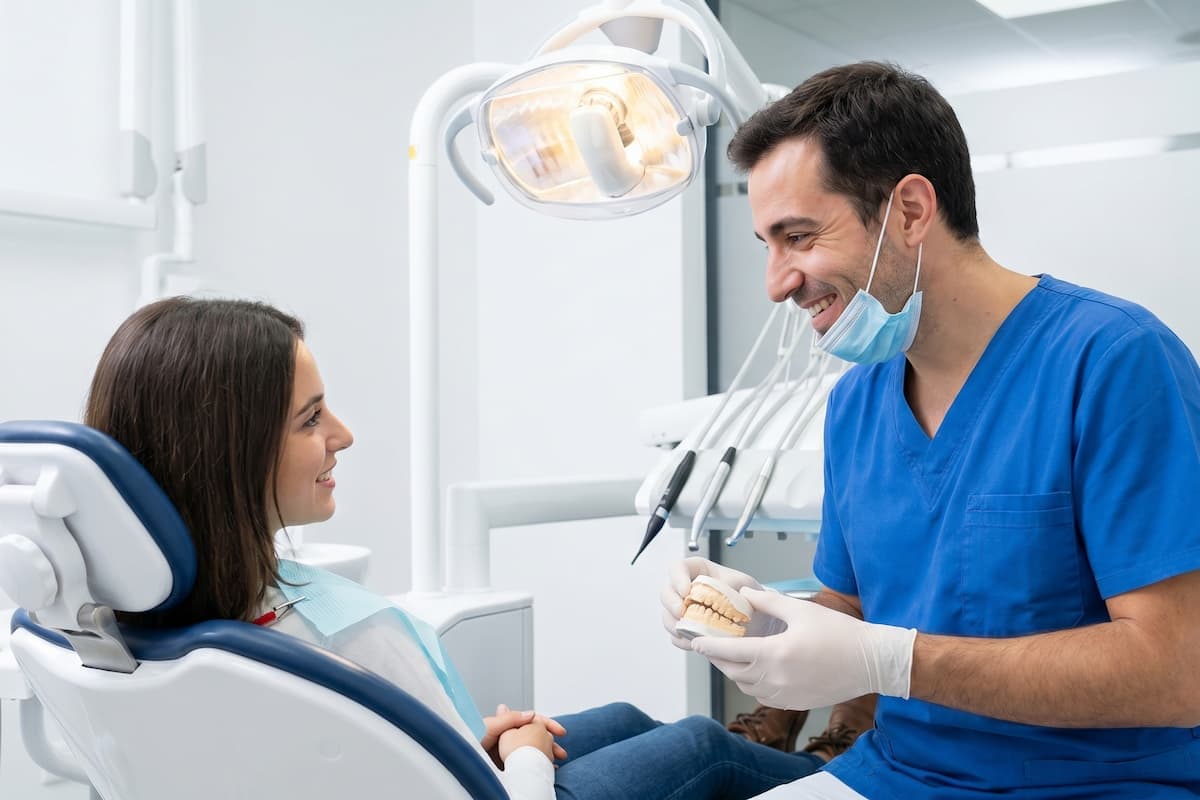
Worried About Bleeding Gums? Effective Daily Hygiene Steps
Noticing blood when you brush your teeth can be alarming. It might appear as a faint pink tinge in the sink, or you might notice it directly on your toothbrush. Whatever the case, it is understandable to feel concerned. The good news is that bleeding gums are not always a sign of something serious — and in many cases, consistent improvements to your daily oral hygiene routine can make a meaningful difference.
This article explains some of the common reasons gums may bleed during everyday brushing or flossing, and provides practical, evidence-aligned steps you can take at home to support your gum health.
Quick Answer: What should you do if your gums bleed during brushing? Continue brushing gently using a soft-bristled toothbrush and fluoride toothpaste twice daily. Introduce interdental cleaning if you have not already. Bleeding that is new or infrequent may settle as your routine improves. If bleeding persists beyond two to three weeks or is accompanied by swelling or tenderness, consider arranging a dental assessment.
Why Your Gums Might Be Bleeding
Gum bleeding during brushing or flossing is one of the most common concerns patients raise with dental professionals. While it can sometimes be associated with early gum problems, it can also occur for reasons that are easier to address than many people assume.
Some of the most common contributors include:
- Plaque accumulation along the gumline — when plaque is not removed consistently, it can cause the gum tissue to become inflamed and more prone to bleeding
- Infrequent or inconsistent oral hygiene — gums that are not regularly cleaned can become sensitive, particularly when brushing resumes after a gap
- Brushing technique — scrubbing the gums with too much pressure or using a hard-bristled brush can cause irritation and bleeding
- Infrequent interdental cleaning — spaces between teeth where a toothbrush cannot reach are a common area where plaque accumulates
- A new or recently changed oral hygiene product — switching toothbrushes or interdental tools can temporarily irritate the gums
- Hormonal changes — during pregnancy, for example, gums can become more sensitive and prone to bleeding, a recognised pattern that dental professionals refer to as pregnancy gingivitis
It is worth noting that occasional bleeding linked to a change in your hygiene routine is different from persistent, recurrent or unexplained gum bleeding. The latter may warrant a professional assessment.
Should You Keep Brushing If Your Gums Bleed?
This is one of the most frequently asked questions — and the answer is generally yes, with some adjustments.
Many people instinctively stop brushing an area where their gums bleed, worried that continuing might make things worse. In most cases, this has the opposite effect. Avoiding the area allows plaque to continue accumulating, which can make inflammation worse over time.
The more helpful approach is to continue brushing gently, paying careful attention to technique. Use a soft-bristled toothbrush, apply light pressure, and ensure the bristles are reaching along the gumline rather than just the flat surfaces of the teeth. Consistent, gentle brushing is generally far more effective than vigorous scrubbing.
If bleeding when brushing is new, it sometimes settles within two to three weeks once a more consistent and gentle routine is established. If it does not, a dental check-up is a sensible next step.
How Plaque Affects Gum Health
Understanding the relationship between plaque and gum health can help to make daily hygiene feel more purposeful.
Plaque is a soft, sticky film of bacteria that forms naturally on the surfaces of teeth throughout the day. When it is not removed regularly, it can cause the gum tissue to become inflamed — a condition known as gingivitis. This inflammation makes the gums more reactive, meaning they may bleed more easily during brushing or interdental cleaning.
The encouraging aspect of gingivitis is that it is generally considered reversible with consistent and thorough plaque removal at home, combined with professional cleaning where needed. However, if plaque is left undisturbed for a prolonged period, it can harden into tartar (also called calculus), which cannot be removed by brushing alone and requires professional dental intervention. For more on that stage, see this article on hardened tartar and hygiene care.
This is one reason why establishing a consistent daily hygiene routine matters — not just for managing current symptoms, but for supporting your gum health long term.
Practical Daily Hygiene Steps to Support Healthier Gums
The following steps are based on general preventive dental guidance and are designed to help you build a consistent routine that supports gum health. These are not a substitute for personalised advice from your dental team.
1. Brush Twice Daily with Fluoride Toothpaste
Brush your teeth for two minutes, twice a day — once before bed and at one other point during the day, ideally after breakfast. Use a fluoride toothpaste appropriate for adults (at least 1,350 ppm fluoride, as recommended for most adults in line with Delivering Better Oral Health, the evidence-based toolkit produced for dental teams in England).
Hold your toothbrush at a slight angle towards the gumline — approximately 45 degrees — and use small, circular or gentle back-and-forth movements. Avoid scrubbing in long horizontal strokes across the teeth, as this can irritate the gum tissue and contribute to sensitivity over time.
2. Pay Attention to the Gumline
The gumline is where plaque accumulates most readily and where inflammation is most likely to develop. Many people focus primarily on the visible surfaces of the teeth and inadvertently miss this critical area.
When brushing, ensure the bristles are reaching just under the gum margin. This does not require additional pressure — the key is positioning rather than force.
3. Start Cleaning Between Your Teeth Every Day
Interdental cleaning is one of the most important and most commonly overlooked aspects of daily oral hygiene. A toothbrush, regardless of its quality, cannot effectively clean the spaces between teeth where gums are particularly vulnerable.
Interdental brushes are suitable for many people and come in different sizes to fit varying gap sizes. For tighter contacts between teeth, dental floss or floss tape may be more appropriate. Your dental team can advise which option is most suitable for you.
If you are not currently cleaning between your teeth at all, it is common for your gums to bleed when you first begin. This usually settles within one to two weeks of consistent daily cleaning. If it does not, or if the bleeding is uncomfortable, speak with your dentist or hygienist.
4. Use a Soft-Bristled Toothbrush and Replace It Regularly
Worn or hard bristles are less effective at removing plaque and can cause unnecessary irritation to the gum tissue. A soft or medium-bristled toothbrush is generally sufficient for effective plaque removal when used correctly. Replace your toothbrush — or the head of your electric toothbrush — every two to three months, or sooner if the bristles are visibly worn.
Electric toothbrushes with oscillating or rotating heads can be helpful for some people in improving plaque removal, though a well-used manual brush is also effective.
5. Avoid Rinsing Immediately After Brushing
After brushing, it is generally advisable to spit out excess toothpaste rather than rinsing with water. Rinsing immediately after brushing dilutes the fluoride residue on the teeth, reducing its protective benefit. If you use a fluoride mouthwash, use it at a different time of day — for example, after lunch — rather than directly after brushing.
6. Maintain a Consistent Routine
Consistency matters considerably more than perfection. A routine that is maintained every day, even imperfectly, is generally more beneficial than occasional thorough cleaning sessions. Try to clean between your teeth at the same time each day, making it a predictable part of your morning or evening routine.
Common Daily Hygiene Mistakes That May Contribute to Bleeding Gums
Even people who brush regularly can develop habits that inadvertently compromise gum health. Some of the most common mistakes include:
- Brushing too hard — more pressure does not mean cleaner teeth; it can damage delicate gum tissue
- Skipping interdental cleaning — most dental professionals consider this the single most impactful change many patients can make
- Brushing for less than two minutes — most people underestimate how brief their brushing is
- Using an old or worn brush — worn bristles are significantly less effective
- Not brushing before bed — overnight, salivary flow decreases, which reduces the mouth's natural self-cleansing capacity; going to bed without brushing allows plaque to accumulate for longer
Habits That May Support Healthier Gums Over Time
Beyond brushing and interdental cleaning, a few additional habits may be worth considering:
Staying well-hydrated can support saliva production, which plays a role in oral health by helping to neutralise acids and support the natural balance of bacteria in the mouth.
Reducing sugary snacking between meals limits the frequency with which acid-producing bacteria are activated. This benefits tooth health as well as the gum environment more broadly.
Not smoking is an important consideration. Smoking is associated with significant changes in gum health and can mask some of the warning signs of gum problems, including reducing bleeding. This means that if you smoke and your gums do not bleed, this is not necessarily reassuring — and cessation support is worth exploring if this applies to you.
Regular dental examinations and professional cleans remain a core part of preventive dental care. Even with excellent home hygiene, professional removal of tartar and monitoring of gum health is important.
When Persistent Gum Bleeding Should Be Professionally Assessed
Improving your daily oral hygiene routine is an appropriate and positive first step. However, it is important to know when professional assessment may be warranted.
Consider arranging a dental appointment if:
- Gum bleeding persists beyond two to three weeks despite improved daily hygiene
- Your gums bleed frequently or at times other than during brushing or flossing
- Your gums appear swollen, tender or persistently red
- You notice recurrent bad breath that does not resolve with improved cleaning
- You observe any changes in the appearance of your gum tissue, including recession or changes in gum level
- You have not had a dental examination in the past twelve months
These symptoms do not necessarily indicate serious disease. However, they are signs that a professional assessment would be helpful. A dentist or dental hygienist can identify whether there are underlying factors contributing to your symptoms and recommend appropriate next steps. You can also review these early gum disease signs and prevention tips.
The Value of Preventive Dental Care
Preventive dental care — attending routine examinations and professional hygiene appointments — plays an important role in catching early signs of gum problems before they develop further. Professional cleaning can remove tartar that home hygiene cannot address, and your dental team can provide personalised guidance based on your specific circumstances.
The frequency of dental check-ups appropriate for you is something your dentist will advise on based on your individual needs and risk factors, in line with NICE recommendations.
A Practical Perspective
If you have noticed your gums bleeding recently, the most useful thing you can do right now is not to panic — but to take a calm, considered look at your current daily routine. Are you cleaning between your teeth every day? Are you brushing gently along the gumline? Are you brushing for a full two minutes, twice daily?
Small, consistent improvements to these habits can make a meaningful difference over several weeks. Gum health is generally more responsive to good daily hygiene than many people realise.
- Have you recently started flossing or using interdental brushes for the first time?
- Has your brushing routine changed recently — perhaps becoming less consistent?
- Have you noticed any other changes, such as gum swelling or sensitivity, alongside the bleeding?
These are useful questions to reflect on — and to share with your dental team if you decide to arrange an assessment.
Frequently Asked Questions
Is it normal for gums to bleed when I start flossing for the first time?
Yes, it is relatively common. When interdental spaces have not been cleaned regularly, the gum tissue in those areas can be mildly inflamed and therefore more reactive. In most cases, gum bleeding when first starting to floss settles within one to two weeks of consistent daily cleaning. If it does not settle, or if the bleeding is heavy or uncomfortable, your dental team can advise further.
Could my bleeding gums be linked to something other than my oral hygiene?
There are some medical conditions and medications that may be associated with changes in gum bleeding. Certain blood-thinning medications, for example, can make gums more prone to bleeding, as can hormonal changes during pregnancy. If you are concerned that an underlying health condition or medication might be a factor, it is worth mentioning this to both your GP and your dental team so they can consider your full picture.
Should I use a mouthwash to help with bleeding gums?
A fluoride mouthwash used at a separate time from brushing can be a useful addition to a daily oral hygiene routine. Some antiseptic mouthwashes may also be recommended by dental professionals in specific circumstances, such as when gingivitis has been confirmed. However, mouthwash is generally considered a supplement to brushing and interdental cleaning — not a replacement for them. It is best to seek personalised guidance from your dentist or hygienist before selecting a mouthwash for gum-related concerns.
How long should it take for my gums to stop bleeding if I improve my routine?
There is no single answer, as this varies between individuals and depends on a number of factors including the underlying cause, the consistency of the improved routine, and individual gum health. Many people find that improvements become noticeable within two to four weeks of consistent, thorough daily hygiene. If bleeding has not reduced meaningfully after this period, a professional assessment is a sensible step.
Can brushing too hard actually make bleeding gums worse?
Yes, it can. Aggressive brushing with a hard-bristled brush or excessive pressure can damage the gum tissue and contribute to both bleeding and, over time, gum recession. Plaque removal does not require significant force — it is the consistency of technique and coverage that matters most. If you are unsure whether you are brushing too hard, your dental hygienist can observe your technique and provide guidance.
Should I be worried if my gums only bleed occasionally and not every time I brush?
Occasional bleeding that occurs infrequently and without other symptoms may be related to a temporary change in your routine, a new oral hygiene product, or mild irritation. It is still worth reviewing your brushing and interdental cleaning technique. However, if bleeding is recurrent, frequent, or accompanied by other symptoms such as swelling, soreness or persistent bad breath, a dental assessment is advisable rather than simply monitoring the symptom.
What is the difference between gingivitis and gum disease?
Gingivitis refers to inflammation of the gum tissue, often characterised by redness, swelling and a tendency to bleed. It is generally considered the earliest stage of gum disease and is typically associated with plaque accumulation. Importantly, gingivitis is generally considered reversible with consistent oral hygiene and professional care. Periodontitis, a more advanced form of gum disease, involves deeper damage to the supporting structures of the teeth and requires professional management. A dental assessment is the only way to establish which, if either, applies to your situation.
Are interdental brushes better than floss for bleeding gums?
For many people, interdental brushes are easier to use effectively than floss and may be more suitable where gaps between teeth are large enough to accommodate them. However, for tighter contacts between teeth, floss or floss tape may be more appropriate. The best option depends on your individual anatomy and dexterity. Your dentist or hygienist can help you identify the most suitable interdental cleaning method and the correct size of interdental brush for your spaces.
Does diet affect gum health?
Diet can have some influence on gum and oral health more broadly. Frequent consumption of sugary or acidic foods and drinks affects the bacterial environment in the mouth and can contribute to plaque-related problems. A balanced diet with limited sugary snacking between meals is generally considered supportive of good oral health. Staying hydrated also supports saliva production, which plays a natural protective role in the mouth. However, diet alone is not a substitute for thorough daily oral hygiene.
If I haven't been to the dentist for a while, is it too late to make a difference?
It is never too late to improve your oral health. Many people find that a combination of improved daily hygiene and professional dental care leads to meaningful improvements in gum health, even after a long gap in dental attendance. The first step is simply to arrange a dental examination so that your current gum health can be assessed and appropriate guidance provided.
Dental Disclaimer
This article is for general educational purposes only and is not a diagnosis or treatment plan. It does not replace a consultation with a qualified dental professional. Preventive and treatment advice should be tailored through individual clinical assessment. If you have symptoms or concerns, arrange a professional dental examination.
Ready to Book an Appointment?
Our team is here to help you with all your dental and medical needs.








