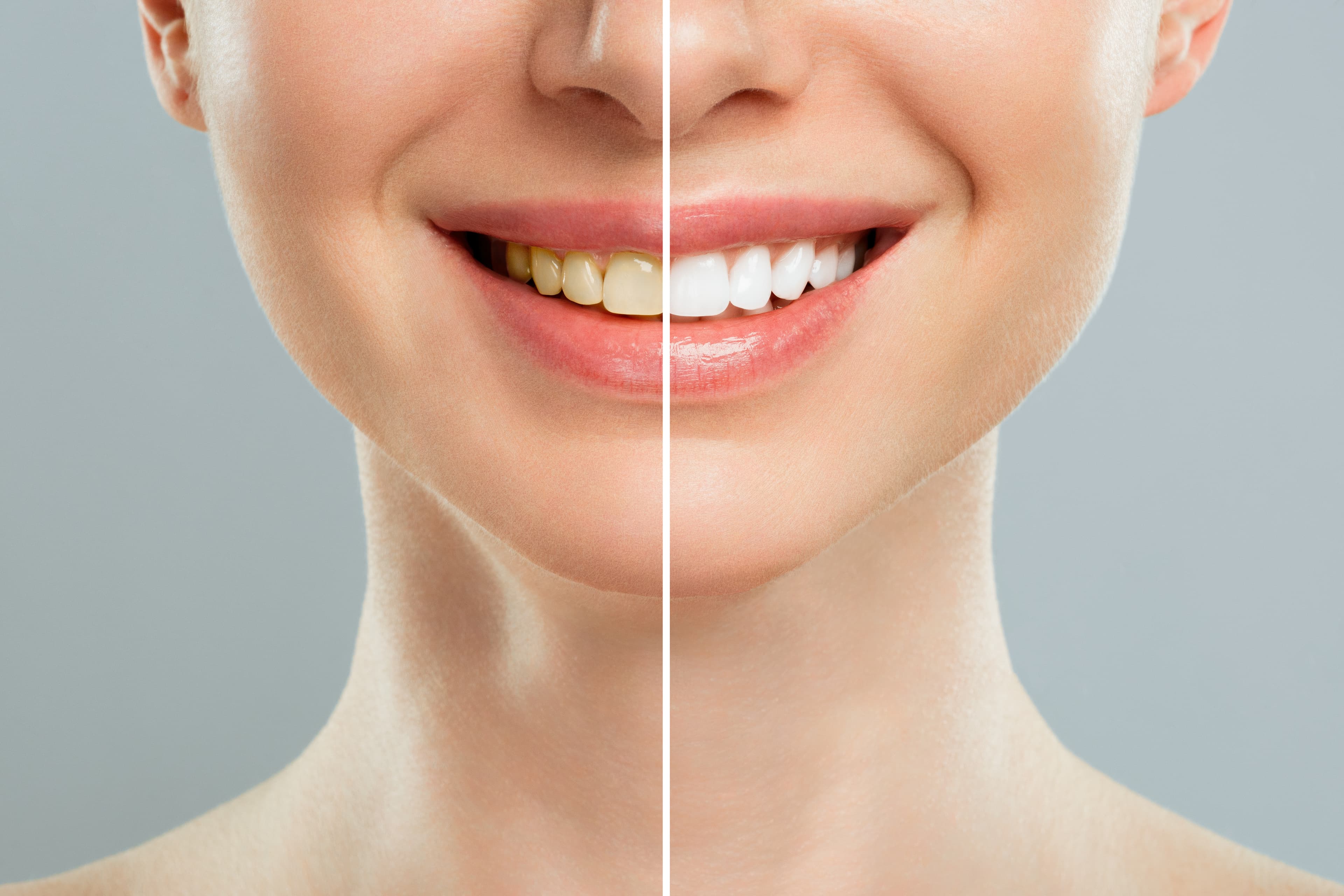
Why Do Teeth Become Yellow? Causes and Whitening Options
Many people notice their teeth are not quite as bright as they once were — or perhaps they have always appeared slightly off-white. Understanding why teeth become yellow, and what this actually means for your dental health, can help you make informed decisions about your oral care.
It is worth knowing that teeth are not naturally pure white. Shade and brightness vary considerably between individuals and can change over time. Yellowing does not automatically indicate poor oral hygiene — though it can sometimes be associated with it.
What Naturally Determines Tooth Colour?
To understand why teeth can appear yellow, it helps to understand how a tooth is structured — and why colour is not as straightforward as many people assume.
The Role of Enamel
Enamel is the hard, outer layer of each tooth. It is the mineralised surface you can see and touch. Enamel is semi-translucent, meaning it allows light to pass through to some extent. This translucency is important because it means the layers beneath the enamel surface influence how a tooth looks overall.
The Role of Dentine
Beneath the enamel lies dentine — the main body of the tooth. Dentine is naturally yellow or yellowish-brown in colour. Because enamel is not fully opaque, the colour of the underlying dentine can show through, contributing to the overall perceived shade of the tooth.
This is why even perfectly healthy teeth can appear off-white or have a slightly yellow tone. Natural tooth colour is not uniform, and it is not meant to be pure white.
Why Does This Matter?
Understanding the enamel-dentine relationship helps explain several important points:
- Teeth naturally vary in colour between individuals
- Factors that affect enamel thickness or transparency can influence how yellow a tooth appears
- Some whitening approaches work at the surface level, while others may target deeper discolouration
- Not every shade variation is a sign of a dental problem
Common Causes of Yellow Teeth
Teeth can appear more yellow or become discoloured for a range of reasons. These are generally grouped into two broad categories: extrinsic staining and intrinsic discolouration.
Extrinsic Staining: Surface-Level Discolouration
Extrinsic staining occurs on or near the outer surface of the tooth, often involving the enamel. It is typically associated with substances that come into regular contact with the teeth.
Common contributors to extrinsic staining include:
- Tea and coffee — both contain tannins and chromogens that can bind to the tooth surface over time
- Red wine — similarly rich in tannins and pigments
- Tobacco — whether smoked or used in other forms, tobacco products are strongly associated with surface staining and more persistent discolouration
- Strongly pigmented foods — certain foods such as berries, curry, and tomato-based sauces may contribute to surface staining with frequent consumption
- Plaque accumulation — a build-up of dental plaque can cause the teeth to appear yellow or dull; this is often linked to infrequent or insufficient brushing and interdental cleaning
Extrinsic staining is often responsive to improved oral hygiene and, in some cases, professional cleaning or whitening.
Intrinsic Discolouration: Changes Within the Tooth
Intrinsic discolouration occurs within the tooth structure itself — either in the dentine or the enamel during tooth development. It tends to be more complex and may be less responsive to surface whitening approaches alone.
Factors that may be associated with intrinsic discolouration include:
- Age-related changes — discussed in more detail below
- Certain medications — some medicines, when taken at particular stages of development or life, may be associated with changes in tooth colour
- Dental trauma — injury to a tooth can sometimes cause changes in its internal structure and appearance
- Developmental enamel changes — conditions affecting how enamel forms during childhood can influence tooth colour
- Dental fluorosis — exposure to higher-than-recommended fluoride levels during tooth development can, in some cases, cause white flecks or, in more pronounced cases, brown discolouration
- Prior dental treatment — some older restorative materials may affect the appearance of treated teeth over time
Extrinsic Staining vs Intrinsic Discolouration: A Comparison
| Extrinsic Staining | Intrinsic Discolouration | |
|---|---|---|
| Location | On or near the outer tooth surface | Within the dentine or enamel structure |
| Common causes | Tea, coffee, tobacco, food pigments, plaque | Age, certain medications, trauma, developmental factors |
| Typical appearance | Yellow, brown or grey deposits on the surface | Overall darker, yellowed or altered tooth shade |
| Whitening response | Often more responsive to professional or at-home whitening | May respond partially or not at all to standard whitening |
| Professional assessment | Usually straightforward to identify | May benefit from clinical assessment to understand the cause |
Does Ageing Make Teeth More Yellow?
Age-related tooth discolouration is very common and is something many people notice gradually over the years.
As we age, enamel naturally becomes thinner through a process of wear. Because enamel is semi-translucent, thinner enamel means the naturally yellow dentine beneath becomes more visible. This can give older teeth a noticeably more yellow or darker appearance — even in the absence of staining.
At the same time, dentine itself can become slightly denser and darker with age as secondary dentine is laid down inside the tooth. This further contributes to a yellow or more saturated appearance.
These changes are a normal part of the ageing process. They do not automatically indicate a health problem, though they are worth discussing with a dental professional if they are a concern.
Have you noticed your teeth looking slightly different over the past few years? Age-related changes in tooth shade are among the most common reasons people seek dental advice about discolouration.
Can Food and Drink Cause Yellow Teeth?
Yes — certain foods and drinks are frequently associated with teeth staining, particularly when consumed regularly over time.
Tea, especially black tea, is one of the most common dietary contributors to surface staining in the UK. Coffee, red wine, and deeply pigmented foods can also leave deposits on the enamel surface. These stains tend to accumulate gradually, which is why the change may not be immediately obvious.
Acidic drinks, while not directly causing yellowing through pigmentation, can soften enamel temporarily and may make the tooth surface more susceptible to staining from other substances.
Reducing the frequency of exposure — rather than eliminating these drinks entirely — and rinsing with water after consumption may help limit the build-up of surface staining over time.
Tobacco use is particularly associated with persistent and stubborn staining that can be difficult to remove. The substances found in tobacco products can penetrate beyond the surface, making discolouration more resistant to standard approaches.
Surface Staining vs Internal Discolouration: Why the Distinction Matters
Understanding the type of discolouration present is important because it affects which approaches may be helpful.
Surface staining — associated with diet, tobacco, and plaque build-up — often responds to professional dental cleaning, whitening toothpastes (which work primarily at the surface level), and professional whitening where appropriate.
Internal discolouration, which originates within the tooth structure, may respond only partially to conventional whitening. In some cases, a clinical assessment may be needed to determine the most appropriate approach and to understand the underlying cause.
This is why there is no single answer to "will whitening fix my yellow teeth?" — the answer depends significantly on why the teeth are yellow in the first place.
How Can Yellow Teeth Be Whitened?
Several options exist for managing tooth discolouration, ranging from improved daily habits to professional dental treatment. The right approach — and whether whitening is appropriate at all — depends on the cause and nature of the discolouration.
Professional Teeth Whitening
Professional teeth whitening is carried out under the supervision of a registered dental professional. In the UK, tooth whitening is a regulated dental procedure, and only registered dental professionals — such as dentists, dental therapists, or dental hygienists working under a prescription — are legally permitted to carry out or supervise teeth whitening.
Professional whitening typically involves the use of peroxide-based agents at concentrations that are not available over the counter. It may be carried out in a clinical setting, at home using custom-fitted trays supplied by a dentist, or through a combination of both.
Important considerations regarding professional whitening include:
- A dental assessment is usually recommended before treatment to determine suitability
- Whitening is generally most effective for extrinsic staining and some age-related discolouration
- Some types of intrinsic discolouration may not respond as expected
- Tooth sensitivity is a common, usually temporary side effect
- Whitening does not change the colour of existing dental restorations — crowns, veneers, fillings, and other restorations will remain the same shade
Whitening Toothpaste
Whitening toothpastes are widely available and may help to manage some surface staining through mild abrasive or chemical action. They are primarily designed to help remove or reduce surface deposits rather than to change the underlying natural colour of the tooth.
They are not equivalent to professional whitening and should not be expected to produce the same results. Some whitening toothpastes may cause sensitivity with prolonged use.
Lifestyle and Oral Hygiene Measures
Maintaining good daily oral hygiene is one of the most effective ways to reduce surface staining and prevent further discolouration over time.
Practical steps that may help include:
- Brushing teeth thoroughly twice daily with a fluoride toothpaste
- Using interdental brushes or floss to clean between teeth
- Rinsing with water after consuming staining drinks
- Attending regular dental check-ups and hygienist appointments
- Reducing frequency of exposure to strongly staining foods and drinks
- If you smoke, seeking support to reduce or stop tobacco use
These measures support overall oral health and can contribute to a brighter appearance over time, particularly where surface staining is a factor.
Are there lifestyle changes you could make that might reduce further staining? Even small adjustments — such as drinking tea with a meal rather than throughout the day — may make a difference over time.
Important Limitations of Teeth Whitening
It is important to have realistic expectations around whitening. No whitening treatment can guarantee a specific shade outcome, and individual results can vary considerably.
Whitening does not alter the colour of:
- Dental crowns
- Porcelain veneers
- Composite or amalgam fillings
- Other dental restorations
If your teeth include visible restorations, whitening the natural teeth around them may create a visible difference in shade. A dental professional can advise on how best to approach this, and some patients also review teeth whitening vs veneers to understand where each option may fit.
Different causes of discolouration may also respond very differently. Whitening products are generally most effective for extrinsic stains and some forms of age-related yellowing. Internal discolouration may require a different clinical approach or, in some cases, may not respond to whitening at all.
When Should Yellowing Be Discussed With a Dentist?
Most instances of tooth discolouration are not medically urgent. However, discussing changes in tooth colour with a dental professional can be helpful in a number of situations.
You may wish to seek a dental assessment if:
- Discolouration has appeared or worsened suddenly
- A single tooth has changed colour, particularly following an injury
- Discolouration is accompanied by sensitivity, pain, or other symptoms
- You have tried whitening approaches without success
- You are unsure of the cause of your tooth colour change
- You are considering professional whitening and wish to understand your options
If discolouration is a concern, a routine dental appointment offers the opportunity to understand what may be contributing — and to explore appropriate options.
Regular dental care remains one of the most effective preventive approaches available. The NHS recommends attending dental check-ups at intervals recommended by your dentist, based on your individual oral health needs.
How to Reduce Further Tooth Staining
While it is not always possible to prevent all forms of tooth discolouration, certain habits are associated with maintaining a brighter appearance for longer.
Evidence-informed steps that may help reduce further staining:
- Brush teeth for two minutes, twice a day, using a fluoride toothpaste
- Clean between teeth daily using interdental brushes or floss to prevent plaque accumulation
- Attend regular dental hygienist appointments for professional cleaning
- Reduce the frequency — rather than necessarily the total volume — of tea, coffee, and red wine consumption
- Use a straw when drinking cold staining beverages, where practical
- Rinse with water after meals or staining drinks if brushing is not immediately possible
- If you use tobacco, consider seeking NHS-supported cessation support
- Stay well hydrated, as saliva plays a role in naturally cleansing the teeth
These steps support oral health broadly and may contribute to managing surface staining over time.
Frequently Asked Questions
Are slightly yellow teeth a sign of poor oral hygiene?
Not necessarily. Natural tooth colour varies considerably between individuals, and teeth are not naturally pure white. Factors such as genetics, the thickness of enamel, and the natural shade of dentine can all influence tooth colour. That said, plaque accumulation — which is associated with insufficient brushing and cleaning — can contribute to yellowing, so good daily oral hygiene remains important.
Can yellow teeth become white again without professional whitening?
This depends on the cause. Where yellowing is primarily associated with surface staining from food, drink, or tobacco, improved oral hygiene and professional cleaning may produce a noticeable difference. Underlying causes such as age-related enamel thinning or intrinsic discolouration are unlikely to be fully addressed without professional whitening or other dental treatment.
Does teeth whitening hurt?
Tooth sensitivity is a commonly reported side effect of whitening treatments, particularly professional whitening using peroxide-based agents. In most cases, this sensitivity is temporary and resolves after treatment. Those with existing sensitivity or enamel concerns should discuss this with a dental professional before starting any whitening treatment.
Are over-the-counter whitening strips safe to use?
In the UK, over-the-counter whitening products available to the public must contain hydrogen peroxide at concentrations of 0.1% or below. At these levels, the whitening effect is typically limited. Products claiming stronger effects available outside of regulated dental settings may not comply with UK regulations. Seeking professional advice before using whitening products is advisable, particularly if you have restorations, sensitivity, or are unsure of the cause of your discolouration.
Can yellow teeth be a sign of something other than staining?
In some cases, changes in tooth colour may be associated with other dental conditions — such as enamel erosion, dental caries (tooth decay), or changes following dental trauma. A single tooth that has changed colour noticeably, or discolouration accompanied by pain or sensitivity, may warrant a dental assessment to rule out underlying causes that require clinical attention.
Will whitening work on teeth that have been treated with fillings or crowns?
Whitening agents do not change the shade of dental restorations, including composite fillings, porcelain crowns, or veneers. If you have visible restorations, whitening the surrounding natural teeth could result in a noticeable shade difference. A dental professional can help you understand the implications and explore options appropriate to your specific situation.
Can children's teeth be whitened?
Teeth whitening is generally not recommended for children and is typically considered appropriate for adults only, following clinical assessment. The enamel of developing teeth may respond differently, and the underlying causes of discolouration in children may require different management entirely. A dental professional should be consulted regarding any concerns about a child's tooth colour.
Is there a difference between teeth whitening and teeth cleaning?
Yes. Professional dental cleaning — typically carried out by a dental hygienist — focuses on removing plaque, calculus (tartar), and surface staining through scaling and polishing. It improves oral health and can enhance the appearance of the teeth, but it is not the same as whitening. Teeth whitening uses chemical agents to alter the shade of the tooth itself, whereas cleaning removes surface deposits.
How long does professional whitening last?
The longevity of professional whitening results can vary depending on the individual, the cause and original degree of discolouration, and lifestyle factors such as diet and tobacco use. Results are not permanent. Top-up treatments and good ongoing oral hygiene are typically recommended to maintain results. A dental professional can advise based on individual circumstances.
Can mouthwash help reduce tooth staining?
Some mouthwashes contain ingredients such as chlorhexidine, which is highly effective at reducing plaque and bacteria but is associated with tooth staining with prolonged use. Standard fluoride mouthwashes support oral health but are not specifically designed to whiten teeth or remove existing stains. Whitening mouthwashes exist but tend to have a limited effect compared to professional treatment. Any mouthwash should be used as directed and ideally discussed with your dental professional.
Dental Disclaimer
This article is for general educational purposes only. It does not provide diagnosis or personalised treatment advice. Causes of discolouration and suitability for whitening can only be confirmed by clinical assessment. Whitening outcomes vary between individuals and cannot be guaranteed. If you are concerned about tooth colour or sensitivity, consult a GDC-registered dentist.
Written Date: 24 August 2026 Next Review Date: 24 August 2027
Ready to Book an Appointment?
Our team is here to help you with all your dental and medical needs.








