Why Cosmetic Dentistry Boosts Confidence and Self-Esteem
Many people give very little thought to their smile until something changes — a comment, a photograph, or simply a moment of unexpected self-consciousness. For others, concerns about dental appearance have been a quiet presence for years, subtly influencing how freely they laugh, speak in meetings, or pose for pictures. These feelings are more common than many realise, and they often lead people to explore what cosmetic dentistry might offer.
It is important to approach this topic honestly. The relationship between smile appearance and personal confidence is real, but it is also nuanced. Cosmetic dentistry can address specific aesthetic concerns, and some patients report feeling more at ease in social situations following treatment. However, it is not a psychological intervention, and individual experiences vary considerably. Understanding both what these treatments can realistically achieve — and where their limits lie — is essential before making any decisions.
How Can Your Smile Affect Confidence?
The way we feel about our appearance is shaped by many factors — personal expectations, social environments, cultural influences, and lived experience. Smile appearance is one element within that broader picture, and for some people, it carries significant personal weight.
Research within dentistry and psychology has explored how dental aesthetics can relate to self-perception. Studies have suggested that people who feel dissatisfied with their smile may be less likely to smile openly, may feel more self-conscious in photographs, or may be more guarded in first-impression situations. This is not universal — many people with dental concerns feel entirely comfortable and confident — but it is a recognised pattern for some individuals.
It is also worth understanding that concerns about smile appearance are not confined to visible problems. What one person considers a significant aesthetic issue may be imperceptible to others. Self-perception and social confidence are shaped as much by internal feelings as by objective appearance. This is why the relationship between cosmetic treatment and confidence is personal, and why professional assessment — including a conversation about expectations — is so important.
The General Dental Council (GDC) places patient well-being at the centre of ethical dental care, and responsible dental practice involves exploring what a patient genuinely hopes to achieve before any treatment is recommended.
Why Might Cosmetic Dentistry Improve Smile Confidence?
When someone feels self-conscious about a specific aspect of their smile — the colour of their teeth, a chip, uneven alignment, or noticeable gaps — that concern can quietly affect day-to-day behaviour. Some people avoid smiling in photographs, keep their mouth more closed during conversation, or feel anxious in situations where their teeth might be seen.
For those individuals, addressing the specific dental feature that is causing self-consciousness may lead to:
- Greater willingness to smile openly, having previously avoided doing so
- Reduced preoccupation with how their teeth look in social situations
- Increased comfort in professional or social environments where they had previously felt guarded
- Greater satisfaction with their overall appearance in photographs or video calls
These outcomes are patient-reported and vary considerably between individuals. They are not guaranteed, and they depend heavily on whether the treatment has addressed the concern that was meaningful to the patient — rather than a concern identified by others.
Importantly, these changes in smile-related confidence are distinct from wider self-esteem. A person who gains confidence in their smile has not necessarily addressed every source of self-doubt. Expectations that are proportionate to what a treatment can realistically deliver tend to result in greater satisfaction.
Which Cosmetic Dental Treatments Can Change Smile Appearance?
Cosmetic dentistry encompasses a range of treatments designed to improve the aesthetic appearance of the teeth, gums and smile as a whole. Each has different applications, limitations and suitability criteria. The right option for any individual depends on the nature of their dental concerns, their oral health, and what they are hoping to achieve.
Below is an overview of some of the most commonly considered treatments. This is not an exhaustive guide to procedures — suitability should always be assessed through a professional consultation.
Teeth Whitening
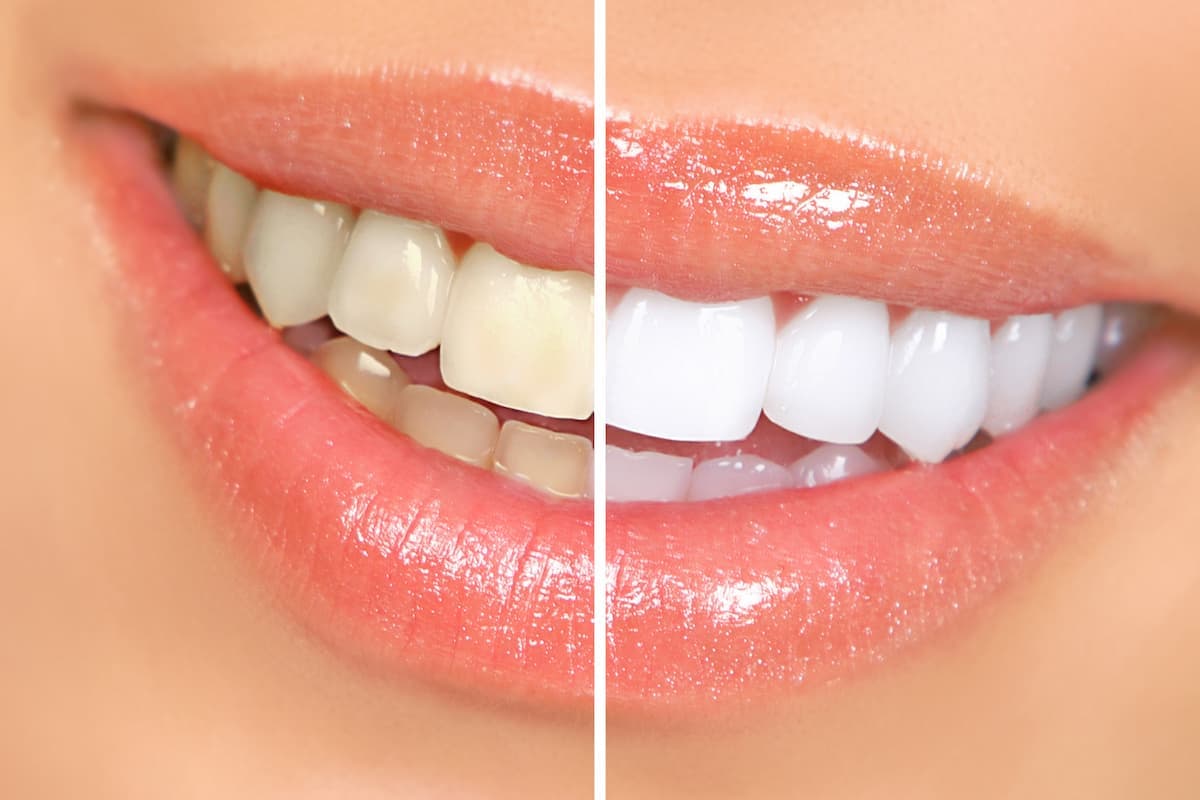
Professional teeth whitening is one of the most frequently requested cosmetic dental treatments in the UK. It is typically used to lighten tooth discolouration caused by factors such as coffee, tea, red wine, certain foods, or the natural ageing of teeth.
In the UK, tooth whitening must legally be carried out by, or under the prescription and supervision of, a registered dental professional. Over-the-counter products sold directly to consumers are limited in the concentration of whitening agent they may contain. Professional treatments delivered through a dental practice can offer more predictable results.
Whitening is not effective on crowns, veneers or composite restorations, and results are not permanent — maintenance is required, and the longevity of results depends on lifestyle habits.
Composite Bonding
Composite bonding involves the application of a tooth-coloured resin material to the surface of teeth. It is commonly used to address chips, minor fractures, small gaps, slight irregularities in shape, or areas of discolouration that whitening cannot resolve.
It is a relatively conservative treatment in that it typically does not require significant removal of natural tooth structure. However, composite resin is less durable than porcelain and may require polishing, repair or replacement over time. It is also more susceptible to staining from certain foods and drinks.
Dental Veneers
Dental veneers are thin shells — most commonly made from porcelain — that are bonded to the front surface of teeth. They can address a range of concerns, including significant discolouration, irregular shape, minor misalignment in appearance, chips and gaps.
Porcelain veneers are typically more durable and stain-resistant than composite alternatives, and they can produce highly natural-looking results. However, their placement usually requires some removal of natural tooth structure — a permanent change — and they will need replacing over time.
Veneers are not appropriate for everyone. Adequate natural tooth structure must be present, and underlying oral health must be stable before any cosmetic work is undertaken.
Orthodontic Options
For patients whose primary concern relates to tooth alignment or spacing, orthodontic treatment may be more appropriate than purely aesthetic surface treatments. Modern orthodontic options for adults include fixed appliances and clear aligner systems, both of which can address a wide range of alignment concerns.
Orthodontic treatment works differently to other cosmetic options: it moves the teeth rather than altering their appearance directly. This may be the most appropriate route for some patients, and in many cases, it may complement or reduce the need for other cosmetic work.
Orthodontic treatment timelines vary, and treatment suitability depends on the individual's dental anatomy, jaw relationship and oral health status.
Can Cosmetic Dentistry Improve Self-Esteem?
This is a question that deserves a careful and honest answer.
Self-esteem is a complex psychological concept — it relates to an individual's overall sense of self-worth, shaped by many personal, social, relational and psychological factors over a lifetime. It is quite different from feeling satisfied with one's smile or feeling more comfortable in social situations.
Some patients do report that following cosmetic dental treatment, they feel more positive about themselves more broadly. These are genuine and valued experiences. However, it would be misleading — and potentially harmful — to suggest that cosmetic dentistry is a route to improved self-esteem for everyone, or that it can address deeper psychological concerns.
For some individuals, preoccupation with dental appearance may be associated with broader concerns about body image or self-perception. In those situations, cosmetic treatment alone is unlikely to resolve the underlying feelings, and in some cases, it may not result in the satisfaction the patient hoped for. Responsible dental professionals consider these factors as part of the assessment and consent process, and may, where appropriate, suggest that a patient explores psychological support alongside or instead of cosmetic treatment.
The key distinction is:
- Smile satisfaction: feeling pleased with a specific aspect of your dental appearance
- Smile confidence: feeling more comfortable smiling or showing your teeth in social situations
- Situational confidence: feeling less self-conscious in professional or social settings related to your smile
- Broader self-esteem: your overall sense of self-worth — shaped by many factors beyond dental appearance
Cosmetic dental treatment may, for some people, have a positive effect on the first three. It is not a treatment for the fourth.
Why Realistic Expectations Matter
Perhaps the single most important factor in determining how satisfied a patient feels after cosmetic dental treatment is the alignment between what they expected and what was achievable.
Cosmetic dentistry operates within real constraints:
- Individual anatomy: tooth shape, size, colour depth and gum architecture vary between people and influence what is achievable
- Existing oral health: decay, gum disease and structural concerns must be addressed before cosmetic treatment can begin
- Material limitations: all cosmetic materials — composite, porcelain, whitening agents — have finite durability and will require maintenance or eventual replacement
- Colour and shade: whitening cannot achieve unlimited brightness, and results vary depending on the nature and depth of existing discolouration
- Alignment: surface cosmetic treatments cannot straighten teeth — that requires orthodontic intervention
- Psychological expectations: if a patient expects cosmetic treatment to resolve broader self-esteem concerns, they may find that post-treatment satisfaction is lower than anticipated
An experienced dental clinician will take time to explore what a patient is hoping to achieve, explain what is realistically possible, and provide an honest account of the limitations and maintenance requirements of any proposed treatment. This conversation is not a formality — it is central to ethical, patient-centred care.
Is Cosmetic Dentistry Right for Everyone?
Cosmetic dental treatment is not universally appropriate, and a genuine professional assessment is essential before any treatment is recommended or begun.
Factors that influence suitability include:
- Oral health status: active gum disease, untreated decay or structural concerns must be resolved first
- Dental history: previous restorations, root canal treatments or tooth loss may affect treatment options
- Natural tooth structure: some treatments require adequate remaining tooth tissue
- Lifestyle factors: habits such as smoking, heavy consumption of staining foods or drinks, or teeth grinding (bruxism) can significantly affect treatment longevity and outcomes
- Treatment goals: whether the concern is one that cosmetic treatment can meaningfully address
- Psychological expectations: whether the patient's expectations are proportionate and realistic
Some patients may benefit more from preventive or restorative treatment than from cosmetic intervention. Others may find that their concerns are better addressed through orthodontic treatment rather than surface aesthetics. And some patients may be best supported by a conversation about expectations before any treatment pathway is considered.
The right starting point is always an honest, unhurried consultation with a qualified dental professional — not a predetermined treatment plan.
How to Approach Cosmetic Dental Treatment Responsibly
If you are considering cosmetic dental treatment, approaching it thoughtfully will help ensure that any decisions you make are well-informed and genuinely aligned with your needs.
Some practical considerations:
- Be clear about your specific concern — what aspect of your smile are you hoping to address, and why does it matter to you?
- Discuss your expectations openly — share what you hope treatment will achieve, including how you hope to feel afterwards
- Ask questions about the process — including how long treatment takes, what maintenance is required, and what happens over time
- Understand the limitations — ask your dentist to explain what the treatment cannot achieve, as well as what it can
- Ensure oral health is assessed first — any cosmetic treatment should only be planned once your dentist is satisfied that your teeth and gums are healthy
- Take time to consider your decision — cosmetic treatment is elective, and there is no urgency to proceed quickly
Informed consent is a central principle of GDC-compliant dental care. You should never feel pressured to proceed with treatment and should always have sufficient time and information to make a considered decision.
Maintaining Confidence After Cosmetic Dental Treatment
For patients who do proceed with cosmetic treatment and are satisfied with the results, maintaining those results requires ongoing attention to oral health. Cosmetic work is not self-sustaining — it requires the same care and commitment as your natural teeth, and in some cases, additional specific aftercare.
General maintenance considerations include:
- Regular dental examinations and hygiene appointments — essential for monitoring the condition of any restorations and maintaining gum health
- Good daily oral hygiene — brushing twice daily with fluoride toothpaste and interdental cleaning
- Dietary awareness — particularly for composite bonding, which is more susceptible to staining from coffee, tea and certain foods
- Avoiding habits that risk damage — such as nail biting, using teeth to open packaging, or grinding (for which a protective nightguard may be recommended)
- Following treatment-specific advice — whitening, bonding, veneers and orthodontic retention each have specific aftercare requirements that your dental team will advise on
The longevity of cosmetic dental treatment varies depending on the type of treatment, how well it is maintained and individual lifestyle factors. Understanding this from the outset helps set realistic long-term expectations.
Conclusion
The relationship between smile appearance and personal confidence is genuine for many people — but it is personal, variable and not reducible to a simple formula. For some individuals, addressing a specific dental concern through cosmetic dentistry may lead to greater comfort in social situations, more willingness to smile openly, and increased satisfaction with their appearance. These are meaningful outcomes, and they are worth taking seriously.
At the same time, cosmetic dentistry has real limitations, and it is not a treatment for broader psychological concerns. Individual experiences vary, and the most important factor in any cosmetic dental journey is approaching it with realistic, well-informed expectations — developed through honest conversation with a qualified dental professional.
If you are considering cosmetic dental treatment and would like to understand what may be suitable for your specific situation, we would encourage you to arrange a professional consultation. Understanding your options fully is always the right first step.
Frequently Asked Questions
Can cosmetic dentistry make me feel more comfortable smiling in social situations?
Some patients do report feeling more comfortable smiling openly after addressing a specific dental concern that previously caused self-consciousness. However, this is not a universal outcome — individual experiences vary depending on the nature of the concern, the treatment undertaken, and personal factors including prior expectations. A realistic understanding of what treatment can achieve is an important part of any consultation.
Does feeling better about my smile mean my overall confidence will improve?
Not necessarily. Feeling more satisfied with your smile and feeling more comfortable in situations where your smile is visible are distinct from broader self-esteem. Many people find that addressing a specific concern they had about their teeth has a positive effect on smile-related confidence, but this does not automatically translate into wider psychological change. Self-esteem is shaped by many factors beyond dental appearance.
I have been self-conscious about my teeth for years — is that a sign I need cosmetic treatment?
Not automatically. Long-standing self-consciousness about dental appearance is common, but it does not mean that cosmetic treatment is the right or only option. In some cases, a restorative or preventive approach may be more appropriate. In others, the concerns may relate as much to how someone perceives themselves as to an objectively visible dental feature. A thorough dental assessment — and an honest conversation about expectations — is the right starting point.
Are there situations where cosmetic dental treatment might not deliver the results I hope for?
Yes. Treatment outcomes depend on individual anatomy, existing oral health, the type of treatment, the underlying cause of the concern being addressed, and lifestyle factors. Cosmetic dentistry can change how teeth look, but it cannot change every aspect of smile appearance and cannot guarantee a particular emotional or psychological response. Expectations that exceed what a treatment can realistically deliver are a common source of post-treatment disappointment.
Is teeth whitening suitable for everyone who wants a brighter smile?
Whitening is appropriate for many patients with staining caused by food, drink or the natural ageing of teeth, but it is not suitable for everyone. It is ineffective on crowns, veneers and composite restorations, which will not change colour. It may not achieve the desired result if discolouration has internal causes. In the UK, professional whitening must be carried out by or under the supervision of a registered dental professional, and a clinical assessment is required to determine suitability.
Can cosmetic dental treatment be started if I have gum disease or tooth decay?
No. Active gum disease, untreated decay or structural dental problems must be resolved before cosmetic treatment can begin. Undertaking cosmetic work on an unhealthy foundation can compromise both the outcome and the longevity of treatment. Any responsible cosmetic dental pathway begins with a full oral health assessment.
How long do cosmetic dental treatments typically last?
Longevity varies significantly between treatments. Professional whitening results can last from several months to a couple of years depending on lifestyle and maintenance habits. Composite bonding typically lasts between five and seven years with good care, though it may require earlier repair or polishing. Porcelain veneers may last ten to fifteen years or longer with appropriate maintenance. All cosmetic restorations require regular dental monitoring and will eventually need replacement. Individual results depend on treatment type, oral hygiene, diet and lifestyle habits.
What if I am hoping cosmetic treatment will help with anxiety or low mood related to my appearance?
This is an important question and one worth discussing honestly with a dental professional before proceeding with treatment. Cosmetic dentistry is not a treatment for anxiety, low mood or body dysmorphic concerns. If your feelings about your dental appearance are significantly affecting your mental health or daily functioning, it may be worth speaking with your GP or a mental health professional. A responsible dental clinician will support this conversation and will not recommend cosmetic treatment where psychological concerns are the primary driver.
Can I have cosmetic dental work done even if my teeth are otherwise healthy?
In many cases, yes — provided your teeth and gums are in good health and there are no underlying concerns to address first. Cosmetic treatments such as whitening, bonding and veneers are elective procedures for patients with healthy teeth who wish to change specific aspects of their smile's appearance. Your dental professional will confirm your oral health status as part of the initial assessment.
Does cosmetic dentistry require a lot of ongoing maintenance?
All cosmetic dental work requires some level of ongoing care. This includes maintaining excellent daily oral hygiene, attending regular dental examinations and hygiene appointments, and following any treatment-specific aftercare guidance. Some treatments — such as composite bonding — may require more frequent attention to maintain their appearance. Understanding what maintenance is involved before committing to treatment helps ensure that the long-term commitment is realistic for your lifestyle.
Dental Disclaimer
This article is for general educational purposes only. It does not provide diagnosis or personalised treatment recommendations. Suitability for cosmetic dental treatment or alternatives must be confirmed through individual clinical assessment. Results, durability, and recovery vary by patient and are not guaranteed. If you are concerned about your smile or dental appearance, seek advice from a GDC-registered dentist.
Written Date: 26 August 2026 Next Review Date: 26 August 2027
Ready to Book an Appointment?
Our team is here to help you with all your dental and medical needs.








