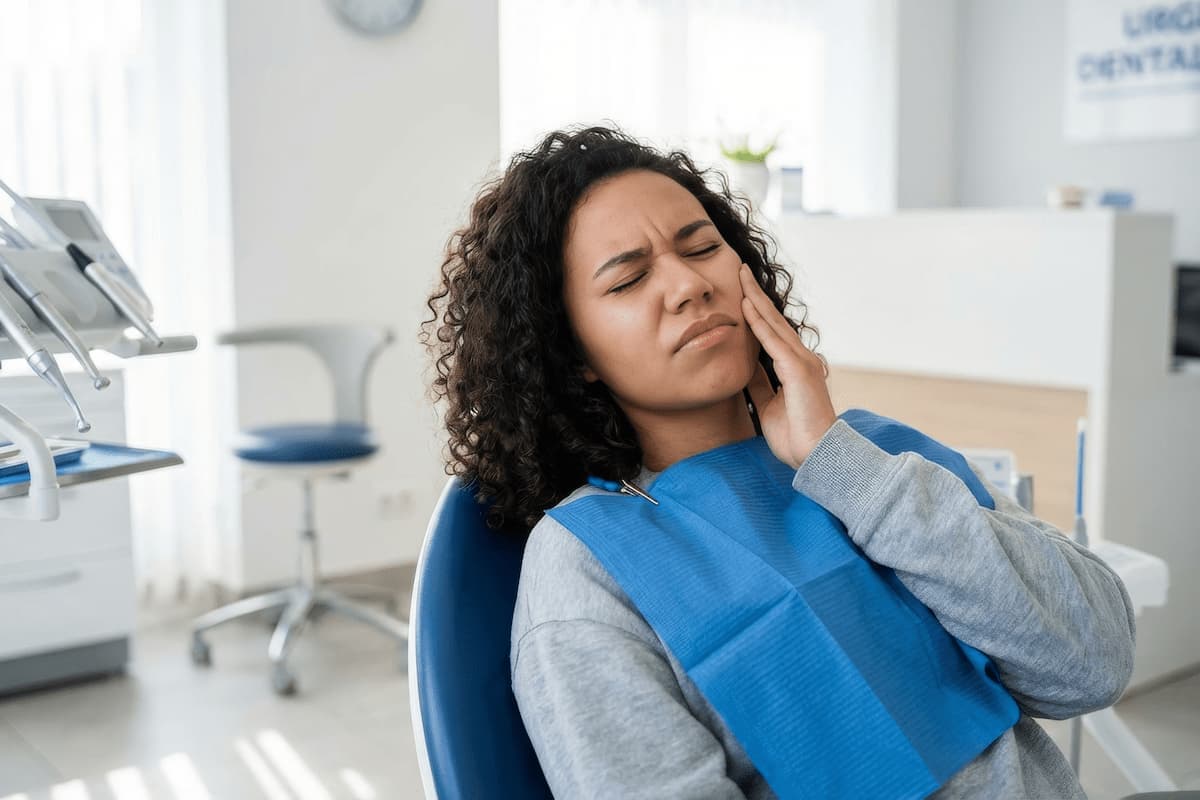
What Tooth Problems Can Veneers Help Improve For Patients
If you have been researching cosmetic dentistry, you may have come across dental veneers as a possible option for improving the appearance of your teeth. Understanding what tooth problems can veneers help improve — and equally, where their limitations lie — is an important first step before considering any treatment. Veneers are not suitable for every patient or every dental concern, and a thorough assessment by a qualified dental professional is always necessary before any cosmetic procedure is planned.
This article explains what veneers are, the visible tooth concerns they may sometimes help with, when other treatments may be more appropriate, and the questions worth raising during a dental consultation.
Quick Answer: Dental veneers are thin coverings bonded to the visible surface of teeth. Depending on individual oral health and suitability, they may help improve persistent staining, minor chips, small gaps, uneven shapes and certain worn edges. They do not treat decay, gum disease or significant structural damage, and suitability varies considerably between patients.
What Are Dental Veneers?
Dental veneers are thin shells — typically made from porcelain or composite resin — that are bonded to the front surface of one or more teeth. They are primarily a cosmetic treatment, designed to change the appearance of teeth in terms of colour, shape or surface texture.
Porcelain veneers are usually fabricated in a dental laboratory, while composite veneers (sometimes called composite bonding) are typically applied directly to the tooth in a single appointment. Neither type is universally superior; the appropriate material depends on the individual tooth, the concern being addressed, the patient's bite and other clinical factors.
It is important to understand that placing veneers on teeth that have underlying decay, gum disease or structural problems is not appropriate. Any such conditions need to be identified and managed before cosmetic options are explored.
What Tooth Problems Can Veneers Help Improve?
The following outlines some of the visible tooth concerns for which veneers may sometimes be considered. These are examples of possible applications — not guarantees of outcome or universal indications. Whether veneers are appropriate in any individual case depends on a detailed clinical assessment.
Persistent Tooth Staining or Discolouration
Some types of tooth discolouration do not respond adequately to professional whitening treatments. This can include intrinsic staining — discolouration that originates from within the tooth itself — which may result from certain medications (such as tetracycline antibiotics taken during tooth development), fluorosis (from excessive fluoride exposure during childhood) or changes that occur within the tooth over time.
Where the staining is significant, deeply embedded and has not responded to whitening, a dental professional may discuss whether veneers could help improve the cosmetic appearance. This is not appropriate in every case, and whitening remains a less invasive first option for many patients with surface or mild staining.
Minor Chips and Small Surface Imperfections
A small chip to the edge or surface of a front tooth may sometimes be improved cosmetically using a veneer or, in many cases, composite bonding. Whether a veneer is the most appropriate approach — as opposed to composite bonding or a crown — depends on the size and location of the chip, the condition of the remaining tooth structure and the patient's bite.
Veneers for chipped teeth are only suitable where the underlying tooth is structurally sound and free from decay. A chip accompanied by sensitivity or pain should be assessed promptly, as these symptoms may indicate a deeper concern that needs treatment.
Uneven Tooth Shapes or Irregular Edges
Some patients are unhappy with the shape of one or more teeth — for example, a tooth that appears smaller than its neighbours, a laterally positioned tooth with an irregular edge, or a tooth that looks disproportionate to the rest of the smile. In selected cases, veneers for uneven teeth may help create a more consistent appearance across the visible surfaces.
This type of application requires careful assessment of the bite, as adding material to a tooth can affect how the upper and lower teeth meet. A dental professional will need to consider whether reshaping, bonding or a veneer is the most appropriate and proportionate option.
Certain Small Gaps Between Teeth
A gap between the front teeth (a diastema) or other small spaces in the smile can sometimes be reduced visually using veneers. This approach involves widening the veneered teeth slightly to close or minimise the gap in appearance.
However, veneers for gaps between teeth have limitations. They may not be suitable for larger gaps, and closing a space with veneers can sometimes affect how the teeth look in proportion. Orthodontic treatment may offer a more appropriate solution in many cases, particularly where the gap is the result of an underlying bite or alignment issue.
Some Minor Visual Alignment Concerns
Veneers are occasionally described as a cosmetic alternative for patients with minor irregularities in the appearance of tooth positioning. It is important to be clear that veneers do not move teeth or correct the underlying bite; they change how the surface of a tooth looks from the front.
For genuine misalignment — where teeth are rotated, significantly crowded or where there is a bite problem — orthodontic treatment is generally more appropriate and does not require any permanent alteration to tooth structure. Veneers for minor tooth misalignment should only be considered when a dental professional has confirmed that the concern is genuinely cosmetic and that the patient's bite will not be negatively affected.
Worn or Disproportionately Short Front Teeth
Teeth can wear over time due to factors including diet, acid erosion and tooth grinding (bruxism). Where wear has caused front teeth to appear shortened, veneers may sometimes be discussed as a way of restoring their appearance. However, if the underlying cause of wear — such as acid erosion or grinding — has not been addressed, further wear or damage to the veneers themselves is likely.
A dental professional will need to assess whether the wear is ongoing, what is causing it and whether veneers are suitable given the extent of the change to tooth structure.
What Veneers Cannot Reliably Address
It is equally important to understand what veneers are not designed to treat:
- Tooth decay: A veneer placed over a tooth with active decay will not treat the underlying infection. Decay must be identified, assessed and managed before any cosmetic treatment is planned.
- Gum disease: Veneer treatment is not appropriate where gum disease is active or untreated. Healthy gum tissue is a prerequisite for cosmetic dental work.
- Significant structural damage: Where a tooth has been substantially broken, weakened by a large restoration, or has an underlying fracture, a crown may offer more appropriate coverage and protection.
- Significant bite problems or misalignment: Orthodontic treatment addresses the position of teeth and the function of the bite. Veneers change appearance only and cannot correct the underlying cause of alignment concerns.
- Unexplained pain, sensitivity or swelling: These symptoms require clinical assessment to establish their cause. They should not be assumed to have a cosmetic solution.
When Other Dental Treatments May Be More Appropriate
Depending on the actual concern and the findings of a clinical assessment, alternatives to veneers may include:
- Professional tooth whitening — often a less invasive first option for surface or mild staining
- Composite bonding — a reversible or minimally invasive option for small chips, minor shape concerns and small gaps
- Orthodontic treatment — where alignment, spacing or bite concerns are the primary issue
- Restorative dentistry — where decay, damage or tooth structure loss needs to be addressed before any cosmetic consideration
- Dental crowns — where a tooth is significantly weakened and needs more extensive coverage and protection
These treatments are not interchangeable. Each has different indications, advantages and limitations. A qualified dental professional will advise on the most clinically appropriate option after a thorough examination.
Factors That Affect Veneer Suitability
Not every patient is a suitable candidate for veneers. A dental professional will typically consider:
- Oral health status — Active decay, gum disease or infection must be resolved first
- Enamel condition — Veneers bond to enamel; where enamel is significantly reduced or absent, bonding may be compromised
- Bite and occlusion — The way upper and lower teeth meet affects whether veneers can be placed safely
- Bruxism (tooth grinding or clenching) — This can significantly increase the risk of veneer fracture or debonding; a management plan may be needed
- Oral hygiene — Good home care and regular dental attendance support the longevity of veneers
- Realistic expectations — A thorough discussion of likely outcomes, limitations and potential need for future repair or replacement
Risks, Limitations and Long-Term Maintenance
Veneers carry risks that patients should understand before proceeding:
- Tooth preparation: Many veneer procedures require the removal of a small amount of tooth enamel. This is usually irreversible. Not all veneers require the same amount of preparation, but patients should discuss this with their dental professional before treatment begins.
- Sensitivity: Some patients experience increased tooth sensitivity following veneer placement, particularly to hot and cold temperatures. This often settles but can occasionally persist.
- Chipping and fracture: Porcelain veneers can chip or fracture, particularly under high biting forces. Composite veneers may be more prone to surface wear over time.
- Debonding: A veneer can detach from the tooth. Where this occurs, it will need to be rebonded or replaced.
- Longevity: Veneers are not permanent. Depending on the material and how well they are maintained, they are likely to need replacement at some point. Individual longevity varies.
- Maintenance: Patients with veneers are advised to maintain good oral hygiene, attend regular dental check-ups, avoid habits that may damage veneers (such as biting hard objects or nails) and discuss appropriate care with their dental team.
Questions to Raise During a Dental Consultation
If you are considering veneers, the following questions may help you have a more informed conversation with your dental professional:
- Are my teeth and gums currently healthy enough for cosmetic treatment?
- What type of veneer would be most appropriate for my concern, and why?
- How much tooth preparation would be required?
- What are the risks and limitations in my specific case?
- How long might veneers reasonably last given my bite and habits?
- Are there less invasive alternatives that might achieve a similar result?
- What happens if a veneer chips, debonds or needs replacing in the future?
Seeking a Dental Assessment
If you have persistent pain, sensitivity, swelling, bleeding gums, suspected decay, a damaged tooth or any noticeable change in your bite, these symptoms should be assessed by a dental professional promptly. They should not be assumed to have a cosmetic cause or solution.
For patients with no active dental concerns who are simply curious about improving the appearance of their teeth, arranging a consultation with a qualified dental professional is a sensible first step. A thorough examination will establish whether your teeth and gums are in good health and whether any cosmetic options — including veneers — may be worth discussing in your individual case.
FAQs: Dental Veneers and Tooth Problems They May Help Improve
Can veneers improve badly stained teeth?
Veneers may help improve the appearance of certain types of persistent staining that have not responded to professional whitening, such as intrinsic discolouration. However, suitability depends on the type and cause of the staining and the overall condition of the tooth. A dental professional will advise on the most appropriate approach.
Can veneers close small gaps between teeth?
In some cases, veneers can reduce the appearance of small gaps by slightly widening the veneered teeth. This approach is not suitable for everyone, particularly where the gap is large or the result of an underlying bite concern. Orthodontic treatment may be more appropriate in many situations.
Can veneers make uneven teeth look straighter?
Veneers can sometimes improve the appearance of minor irregularities in the visible surface of teeth. They do not move teeth or address the underlying cause of misalignment. Where genuine alignment or bite concerns exist, orthodontic treatment is generally more appropriate.
Can veneers repair chipped teeth?
Where a chip is small and the tooth is otherwise healthy and structurally sound, a veneer or composite bonding may help improve the appearance. The most appropriate option depends on the size and location of the chip, the bite and other clinical factors. Sensitivity or pain associated with a chipped tooth should always be assessed clinically.
Can veneers cover worn tooth edges?
Veneers may sometimes be considered where wear has changed the appearance of front teeth, provided the underlying cause of the wear — such as acid erosion or tooth grinding — has been addressed. Placing veneers on teeth where wear is ongoing without managing the cause is unlikely to produce a lasting result.
Are veneers suitable for everyone?
No. Veneer suitability depends on the health of the teeth and gums, the amount of remaining enamel, the bite, the patient's habits and their expectations. Active decay, gum disease or significant structural damage must be addressed before cosmetic treatment is considered.
Do veneers require removing enamel?
Many veneer procedures involve removing a small amount of enamel from the front of the tooth, which is typically irreversible. The amount of preparation varies depending on the type of veneer and the clinical situation. Patients should discuss this fully with their dental professional before agreeing to treatment.
What are the alternatives to veneers?
Alternatives may include professional tooth whitening, composite bonding, orthodontic treatment, restorative dentistry or dental crowns, depending on the nature of the concern and the clinical findings. These options are not interchangeable and a dental professional will advise which is most appropriate after examination.
How should patients maintain their veneers?
Good oral hygiene — including twice-daily brushing with a fluoride toothpaste and regular interdental cleaning — supports veneer longevity. Patients should attend regular dental check-ups, avoid habits that risk damaging veneers and discuss any concerns with their dental team. Veneers are not a permanent solution and may eventually need repair or replacement.
What risks should patients be aware of before having veneers?
Potential risks include tooth sensitivity following placement, veneer chipping or fracture, debonding, marginal issues over time and the irreversibility of enamel preparation in most cases. Individual risk depends on the type of veneer, the condition of the tooth and factors such as the patient's bite and habits. A full discussion of risks should form part of any consent process.
Suggested Internal Links
The following internal links are included where genuinely relevant to the reader's journey. Only verified Wimpole Street MD URLs from the approved list have been used. Anchor text is descriptive and natural.
Note to the editorial team: Please replace the placeholder URLs below with confirmed, live Wimpole Street MD URLs from the approved internal URL list before publication. No URLs have been invented or assumed.
| Proposed Anchor Text | Suggested Destination |
|---|---|
| dental veneers at Wimpole Street MD | https://www.wimpolestreetmd.co.uk/[veneers-service-page] |
| composite bonding | https://www.wimpolestreetmd.co.uk/[composite-bonding-page] |
| professional tooth whitening | https://www.wimpolestreetmd.co.uk/[whitening-page] |
| orthodontic treatment options | https://www.wimpolestreetmd.co.uk/[orthodontics-page] |
| dental crowns | https://www.wimpolestreetmd.co.uk/[crowns-page] |
| how to maintain good oral hygiene | https://www.wimpolestreetmd.co.uk/blog/[oral-hygiene-article] |
| understanding tooth sensitivity | https://www.wimpolestreetmd.co.uk/blog/[tooth-sensitivity-article] |
Please confirm all URLs with the site's approved internal link list before going live.
Recommended Schema Type
Primary: BlogPosting (appropriate for an informational dental blog article)
Secondary: FAQPage — the FAQ section contains discrete question-and-answer pairs that may be eligible for FAQ schema markup, subject to current Google guidelines and the site's technical implementation. Eligibility should be confirmed with the development team before implementation. No JSON-LD has been generated here; implementation should be carried out by the technical SEO or development team using verified, accurate content from the published page.
Dental Disclaimer
This article provides general educational information about dental veneers and the tooth concerns they may sometimes help improve. It is not intended as clinical advice and does not replace an individual assessment by a qualified dental professional. Dental veneer suitability varies between patients and depends on a range of clinical factors, including the health of the teeth and gums, enamel condition, bite and individual circumstances. If you have concerns about your dental health — including pain, sensitivity, bleeding gums, suspected decay or a damaged tooth — please seek advice from a registered dental professional. The General Dental Council (GDC) maintains a register of dental professionals qualified to practise in the UK.
Written Date: 22/10/2026 Next Review Date: 22/10/2027
Ready to Book an Appointment?
Our team is here to help you with all your dental and medical needs.








