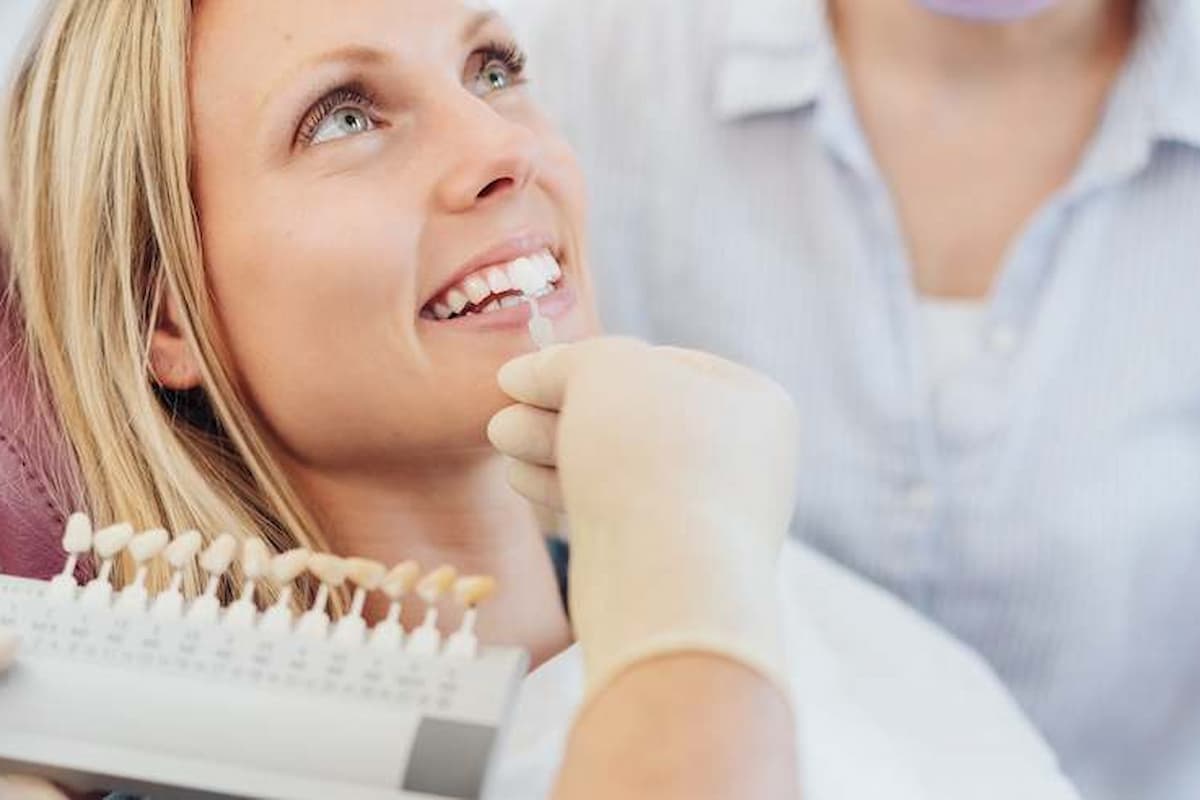
How Can Veneers Improve Chipped Front Teeth For Patients?
A chipped front tooth is one of the more common reasons patients explore cosmetic dental options. Whether the damage occurred from an accidental knock, biting down on something hard, or gradual wear over time, a visible chip in the front smile zone can feel disproportionately noticeable. For patients considering their options, veneers for chipped front teeth are often among the first treatments they come across during their research.
This article aims to explain clearly what dental veneers can and cannot do for chipped teeth, how they compare with other approaches, and what factors a dentist typically considers when determining whether veneers may be an appropriate option for a particular patient.
What Happens When a Front Tooth Chips?
The front teeth — particularly the upper central incisors — are among the most exposed teeth in the mouth. They bear considerable functional demands during biting and are highly visible when speaking or smiling. When a chip occurs, the outcome can range from a very minor surface irregularity to a more significant loss of tooth structure affecting both appearance and function.
Not every chip requires the same response. A small enamel nick may sometimes be monitored or smoothed with minimal intervention. A larger chip that exposes dentine — the softer layer beneath enamel — may benefit from a restorative or cosmetic treatment to protect the remaining tooth and restore its appearance.
Understanding what type of chip is present, and how it affects the tooth structurally, is an important starting point before any treatment is discussed.
What Are Dental Veneers and How Do They Work?
A dental veneer is a thin shell — typically made from porcelain or a composite resin material — that is bonded to the front surface of a tooth. Veneers are designed to improve the visible appearance of teeth by changing their shape, colour, length, or surface texture.
Porcelain veneers are fabricated in a dental laboratory and tend to offer a highly natural appearance and good resistance to staining over time. Composite veneers can sometimes be applied directly in a single appointment, though the material properties differ from porcelain.
In the context of a chipped front tooth, a veneer may help by:
- Covering the chipped area so that the tooth appears complete and even
- Restoring a more symmetrical appearance in line with adjacent teeth
- Improving the surface texture of a tooth that has become rough or irregular
- Providing a layer of coverage over the front surface where structure has been lost
It is important to understand that veneers are primarily a cosmetic restoration. They improve the appearance of a tooth, but they are not a structural repair in the same way that a dental crown or composite restoration might be. Suitability depends significantly on the extent of the damage and the condition of the underlying tooth.
When Might Veneers Be Considered for a Chipped Front Tooth?
A dentist assessing a chipped front tooth will consider several clinical factors before recommending any treatment. Veneers for chipped teeth may be considered appropriate when:
- The chip is primarily cosmetic in nature, affecting the visible front surface
- Sufficient healthy enamel remains to support bonding of a veneer
- The tooth is otherwise structurally sound and does not require more extensive restoration
- The patient's bite does not create excessive force or contact on the proposed veneer position
- There are no signs of active gum disease, decay, or infection
- The patient has realistic expectations about the outcome
Conversely, veneers may not be the most appropriate option where the chip is large, where significant tooth structure has been lost, where the bite places heavy contact on the front teeth, or where underlying dental health concerns need to be addressed first.
A thorough dental assessment — including examination of the tooth, X-rays where indicated, and a discussion of the patient's oral health history — is the appropriate way to determine suitability.
How Do Veneers Compare With Other Options for Chipped Front Teeth?
One of the most useful things a patient can understand early in their decision-making process is that veneers are not the only option for fixing chipped front teeth. Several approaches may be clinically appropriate depending on the circumstances.
Composite Bonding
Composite bonding involves applying a tooth-coloured composite resin material directly to the tooth surface and sculpting it to restore the shape. This approach:
- Is often completed in a single visit
- Does not typically require removal of healthy tooth structure
- Can be a conservative first option for smaller chips
- May be suitable where the chip is minor and the surrounding tooth structure is healthy
Composite bonding is generally considered a more conservative option than veneers for smaller chips. However, composite material may be more prone to staining or wear over time compared with porcelain, and the lifespan of a composite restoration can vary depending on the patient's diet, oral hygiene, and habits.
Porcelain Veneers
Porcelain veneers may be considered where the chip is more significant, where composite bonding has already been attempted and failed, or where the patient is seeking a change across several teeth for a more uniform result. Porcelain veneers typically require a small amount of enamel preparation to create space for the veneer shell, which means the process is generally irreversible.
Dental Crowns
Where a chip is very large, where a significant proportion of tooth structure has been lost, or where the tooth has been weakened, a dental crown may provide more comprehensive coverage and protection. A crown encases the entire visible portion of the tooth, offering greater structural support than a veneer.
Enamel Reshaping
For very minor, smoothly fractured chips, a dentist may sometimes suggest enamel reshaping — carefully smoothing or contouring the edge of the chip so it blends naturally with the surrounding tooth. This is only appropriate for very small surface irregularities and is not suitable where dentine is exposed.
Monitoring
In some cases, particularly with a very minor, well-rounded chip that does not cause sensitivity or functional concern, a dentist may advise monitoring the tooth at regular check-ups rather than treating immediately. This decision depends on the clinical picture and should always follow professional assessment.
The right approach for any individual patient depends on the size of the chip, the tooth's structural health, the position of the tooth, and what the patient hopes to achieve. No single treatment is universally superior, and a discussion with a qualified dentist remains the appropriate next step.
The Role of Remaining Enamel in Veneer Suitability
One of the key clinical considerations when evaluating veneers for front teeth is the availability of enamel. Dental veneers bond to the enamel layer of the tooth. Where enamel has been significantly lost — either through the chip itself, previous dental work, or acid erosion — there may be insufficient bonding surface for a veneer to adhere reliably.
Patients who have experienced enamel erosion due to dietary habits, acid reflux, or other factors may find that their suitability for veneers is affected. This is another reason why a clinical assessment is an essential step before any treatment decision is made.
If you are also exploring teeth whitening alongside veneer treatment, it is worth knowing that the shade and timing of whitening should usually be discussed with your dentist before veneers are placed, since veneer colour is typically matched to the shade of the surrounding teeth at the time of fitting.
How Bite and Grinding Affect Veneer Suitability
The position and function of the front teeth matter considerably when assessing whether veneers may be appropriate. Patients who have a deep overbite — where the upper front teeth overlap significantly with the lower front teeth — may place excessive biting forces on a veneer, increasing the risk of damage.
Similarly, patients who clench or grind their teeth (a condition known as bruxism) may find that veneers are at greater risk of chipping, fracturing, or debonding over time. A dentist will typically enquire about grinding or clenching habits and may assess the wear pattern of the teeth before recommending veneers.
In some cases, a patient with bruxism may still be considered a suitable candidate for veneers, provided appropriate protective measures — such as a custom-made dental night guard — are also part of the treatment plan.
Understanding Veneer Longevity and Maintenance
Patients often ask how long veneers are expected to last. There is no fixed answer to this question, because durability varies depending on a number of individual factors, including:
- The material used — porcelain and composite veneers have different physical properties and wear characteristics
- The condition of the underlying tooth — a structurally sound tooth provides better long-term support
- Biting forces and tooth contact — teeth that bear significant force are more prone to veneer damage
- Oral hygiene — good home care and regular dental visits help maintain the health of teeth and gum margins
- Dietary habits — hard foods, ice, or nail-biting can increase the risk of veneer chipping
- Grinding or clenching — unmanaged bruxism increases wear and fracture risk
- Professional maintenance — regular dental check-ups allow the dentist to assess veneer margins, fit, and overall condition
Veneers are not designed to last indefinitely, and patients should understand that they may require replacement at some point. The timing of any replacement depends on the factors above and should be guided by clinical assessment rather than a fixed schedule.
What Patients Often Want to Know About the Process
It is natural for patients to feel uncertain about what the treatment process involves. In straightforward terms, a veneer for a chipped front tooth typically involves:
- A clinical assessment and discussion — including examination, X-rays where appropriate, and a conversation about the patient's expectations and suitability
- Tooth preparation — a small amount of enamel is usually removed from the front surface to create space for the veneer. The amount varies depending on the type of veneer
- Impressions or digital scanning — to record the shape of the tooth and surrounding teeth for laboratory fabrication (for porcelain veneers)
- A temporary veneer in some cases while the permanent restoration is being made
- Fitting and bonding — the veneer is checked for shape, shade, and fit before being bonded to the tooth surface
- A review appointment — to assess the result and ensure the patient is comfortable
Patients considering cosmetic dental treatment in London should ensure their treating dentist is registered with the General Dental Council (GDC) and that the treatment plan is fully discussed, including risks, alternatives, and expected outcomes, before proceeding.
Limitations and Risks Worth Understanding
Honest patient education means discussing not just what veneers may achieve, but also the limitations and potential risks:
- Tooth preparation is generally irreversible — once enamel has been removed to accommodate a veneer, the tooth will typically require a veneer or alternative restoration in the future
- Veneers can chip or fracture — particularly under heavy biting forces or in the presence of unmanaged grinding
- Colour matching — achieving a precise match between a veneer and adjacent natural teeth requires skill and experience, and results can be affected by the translucency of the natural tooth
- Sensitivity — some patients experience temporary sensitivity following tooth preparation
- Gum health — the margin where a veneer meets the gum requires good oral hygiene to prevent gum irritation or recession over time
- Aesthetic limitations — veneers cannot correct every type of front-tooth concern, and expectations should be discussed honestly with the treating clinician
None of these considerations should discourage patients from exploring their options, but they underscore why a thorough conversation with a qualified dentist is a genuinely important step.
Is a Dental Assessment the Right Starting Point?
If you have a chipped front tooth and are wondering whether veneers might be suitable, a professional dental assessment is the most appropriate way to begin exploring your options. A dentist can examine the tooth, assess the extent of the chip, evaluate the surrounding teeth and gum health, and discuss which treatment approach — if any — may be appropriate for your individual circumstances.
Wimpole Street Medical & Dental welcomes patients who would like to discuss cosmetic and restorative dental concerns in a relaxed, professional environment. Our clinical team takes a patient-centred approach, prioritising your oral health and informed decision-making at every stage.
If you are considering your options, we encourage you to arrange a consultation to discuss your situation with a qualified clinician — without pressure and without obligation.
Frequently Asked Questions
Can veneers be placed on a tooth that has already had composite bonding?
In some cases, yes. If composite bonding was previously applied to a chipped front tooth and the result has deteriorated, a dentist may assess whether a porcelain veneer is now more appropriate. The suitability depends on the remaining enamel, the condition of the underlying tooth, and whether the previous bonding has affected the tooth surface. A clinical assessment would be needed to evaluate this properly.
Will a veneer completely hide a chip, or might the damage still be visible?
A well-fitted veneer is designed to cover the front surface of the tooth, which typically means the chipped area is no longer visible. However, the final appearance depends on the skill of the dental technician and clinician, the shade and translucency of the material, and how well the veneer integrates with the surrounding teeth. Your dentist can discuss realistic expectations during a consultation.
Do I need to treat a small chip even if it is not causing pain?
Not necessarily. Very minor chips that do not expose the dentine layer, cause sensitivity, or affect biting may sometimes be monitored rather than treated immediately. However, some chips can gradually worsen if left unaddressed, and a dentist is best placed to advise on whether monitoring or treatment is more appropriate for your specific chip.
Can a veneer fall off after it has been bonded?
Veneer debonding — where the veneer separates from the tooth — can occur, though it is not the expected outcome of a well-placed veneer on a suitable tooth. Risk factors include insufficient enamel for bonding, heavy biting forces, unmanaged grinding, and biting very hard foods. If a veneer does become loose or detached, the tooth should be assessed by a dentist promptly.
Are veneers suitable for children or teenagers with chipped front teeth?
Veneers are generally not recommended for younger patients whose teeth are still developing, as the pulp (the inner living part of the tooth) tends to be larger in younger teeth and enamel preparation carries greater risks. Composite bonding is often a more conservative and appropriate option for younger patients with chipped front teeth, and the clinical picture should always be assessed individually.
Can veneers protect a chipped tooth from further damage?
Veneers may offer some degree of surface coverage, but they are not primarily designed as a protective restoration in the way that a dental crown is. If a chip has exposed the tooth to further risk of fracture or structural failure, a dentist may recommend a more comprehensive restoration. Protection from habits such as nail-biting, ice-chewing, or grinding should also be addressed independently of any cosmetic treatment.
How do I know if composite bonding or a porcelain veneer would be better for my chipped tooth?
This depends on the size and location of the chip, the condition of the tooth, your aesthetic goals, and your lifestyle. Composite bonding tends to be a more conservative, quicker, and more easily repaired option for smaller chips, while porcelain veneers may offer greater durability and aesthetic refinement for more significant concerns. A dentist can help you weigh these factors based on your individual tooth.
Will the veneer look natural against my other teeth?
Achieving a natural appearance requires careful shade matching and consideration of the translucency and texture of the surrounding teeth. An experienced dental clinician and laboratory technician will aim to create a result that integrates well with your natural smile. Discussing your expectations clearly at the consultation stage helps ensure the result aligns with what you are hoping for.
What should I do immediately after chipping a front tooth?
Contact your dental practice as soon as possible to arrange an assessment. If the tooth is causing pain, sensitivity, or there is sharp-edge damage that is catching the lip or tongue, seek an appointment promptly. Avoid biting into hard foods with the affected tooth in the meantime. Your dentist can advise on the most appropriate next step once they have examined the tooth.
Does it matter which dentist I see for veneers on chipped front teeth?
Veneers placed in the front smile zone require a high level of clinical skill and aesthetic judgement. It is important to ensure your treating dentist is GDC-registered and has experience in cosmetic dental treatments. Before proceeding, ask to see before-and-after photographs of similar cases, discuss your expectations openly, and ensure you receive a written treatment plan and explanation of the risks involved.
Dental Disclaimer
This article is for general educational purposes only. It does not provide diagnosis or personalised treatment recommendations. Suitability for veneers or alternatives must be confirmed through individual clinical assessment. Results, durability, and recovery vary by patient and are not guaranteed. If you are concerned about a chipped tooth, seek advice from a GDC-registered dentist.
Written Date: 24 August 2026 Next Review Date: 24 August 2027
Ready to Book an Appointment?
Our team is here to help you with all your dental and medical needs.








