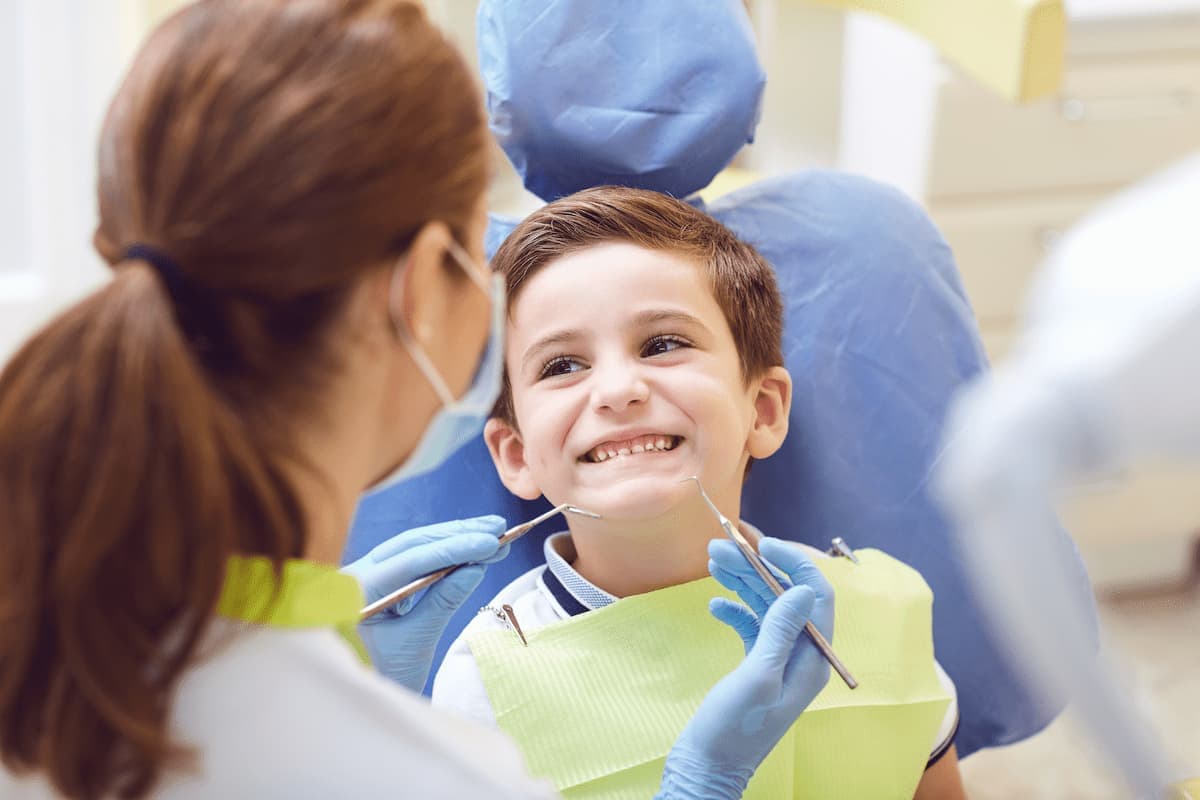
Paediatric Dental Care Near Me: A Guide for Parents
Finding appropriate dental care for your child can feel overwhelming, particularly if you are unsure when to begin, what to expect, or how to tell whether your child needs a specialist. Whether your little one is growing their first tooth or heading into the teenage years, this guide is designed to answer the questions parents ask most — clearly, honestly and without unnecessary alarm.
What Is Paediatric Dental Care?
Paediatric dental care refers to dental examinations, preventive treatments and oral health guidance provided for infants, children and teenagers. It focuses on monitoring tooth development, preventing tooth decay, establishing positive dental habits and supporting healthy gums. Regular child dental examination visits from an early age allow potential concerns to be identified and addressed before they become more complex.
Paediatric dentistry covers the full arc of childhood oral health — from the first baby tooth to the transition into adulthood. It includes routine check-ups, professional cleaning, fluoride treatments, fissure sealants and guidance for parents on how to support good oral health at home.
Why Early Dental Care Matters
Baby teeth are sometimes underestimated because they are not permanent. However, they play a vital role in your child's daily life. Primary teeth help children eat, speak clearly and maintain the spacing that adult teeth will eventually fill. If baby teeth are lost too early due to decay or damage, surrounding teeth can drift, potentially affecting how permanent teeth emerge.
Beyond the physical role of baby teeth, early dental visits help children build familiarity with the dental environment. A child who has positive experiences at the dentist from a young age is more likely to feel at ease during future appointments and to carry good dental habits into adulthood.
Early dental care is also an opportunity for parents to receive personalised guidance on toothbrushing, diet, fluoride use and what to watch for as teeth develop.
When Should a Child First Visit the Dentist?
The British Society of Paediatric Dentistry (BSPD) and NHS guidance both recommend that children attend the dentist as early as possible — ideally when their first tooth appears, or around their first birthday. The purpose of these early visits is not to provide extensive treatment, but to begin the relationship between your child and their dental team.
An early appointment is a chance for the dentist to:
- Check that early teeth are developing as expected
- Identify any early signs of decay or concern
- Give parents practical advice on toothbrushing and diet
- Help your child become familiar with the dental chair in a relaxed, low-pressure setting
There is no need to wait until your child has a full set of teeth, nor to wait for a problem to arise before making that first appointment. Many parents find it helpful to bring their child along to their own dental appointments beforehand, so the environment feels familiar and unremarkable.
What Happens During a Paediatric Dental Check-Up?
A children's dental check-up is generally shaped around your child's age, comfort and ability to cooperate. It is rarely as formal or comprehensive as an adult examination, particularly in the early years.
During a routine examination, the dentist may:
- Ask about your child's general health and any changes since the last visit
- Discuss any concerns you have about teeth, gums or oral habits
- Look at the teeth and gums to check for signs of decay, inflammation or developmental changes
- Observe bite and tooth alignment where appropriate for the child's age
- Provide guidance on toothbrushing technique, fluoride toothpaste and diet
- Apply fluoride varnish where clinically appropriate
- Recommend any further assessment or preventive care if needed
It is worth noting that a first appointment for a very young child might involve nothing more than a brief look inside their mouth while they sit on a parent's lap. The focus is on building trust, not completing a lengthy procedure. X-rays and other investigations are only carried out when clinically indicated — not as a routine part of every visit.
How to Choose a Paediatric Dentist
When searching for pediatric dental care near you, it helps to know what to look for beyond proximity and availability.
Registration and qualifications
All practising dentists in the UK must be registered with the General Dental Council (GDC). You can verify any dental professional's registration through the GDC's online register. Some dentists hold additional qualifications or experience relevant to children's dental care. It is worth noting that the terms "paediatric dentist" or "children's dentist" do not in themselves confirm specialist registration — always check registration status directly and review the clinic's registered clinical team when choosing where your child will be assessed.
Experience with children
Consider whether the dental practice has experience caring for children across a range of ages, including younger children who may need more patience and time to settle.
Child-friendly communication
A dentist who explains things clearly to both parent and child, uses language appropriate to the child's age and takes time to build trust is a valuable asset — particularly for children who feel uncertain.
Preventive approach
Look for a dental team that places equal emphasis on prevention and treatment. Preventive advice, fluoride guidance and regular examinations are the foundations of children's oral health care.
Managing dental anxiety
If your child is particularly anxious, ask the dental team about their approach. Some practices have additional experience supporting children who feel nervous, and may be able to adapt appointments accordingly.
Transparency
A trustworthy dental practice will explain what an appointment involves, what any recommended treatment aims to achieve and what the fees are before proceeding.
General Dentist vs Paediatric Dentist: What Is the Difference?
Parents often wonder whether their child needs to see a specialist or whether a general dentist is appropriate.
General dentists provide a broad range of dental care for patients of all ages, including children. Many children receive perfectly appropriate routine dental care — including check-ups, preventive advice and simple treatments — from an experienced general dental practitioner throughout childhood and adolescence.
Paediatric dentists (also referred to as specialists in paediatric dentistry) have completed postgraduate training specifically focused on children's dental care. They are likely to have particular experience managing children with complex dental needs, developmental concerns, dental anxiety or medical conditions that affect oral health. The GDC maintains a specialist list, and you can verify specialist registration through their online register.
It is important to understand that not every child requires specialist paediatric dental care. For many children, a general dentist with experience of treating children is entirely appropriate. Referral to a specialist may be considered when a child has specific clinical needs that fall outside the scope of routine care.
Common Paediatric Dental Problems
Children's teeth face several challenges. Knowing what to look out for helps parents act early.
Early childhood tooth decay
Tooth decay in young children remains a significant oral health concern in the UK. It can affect baby teeth from an early age, particularly when children are frequently exposed to sugary foods or drinks, or when toothbrushing routines are inconsistent. Early signs may include white, yellow or brown marks on the tooth surface.
Toothache and sensitivity
Toothache in children may indicate decay, a loose tooth or gum irritation. Persistent toothache or sensitivity to temperature should be assessed by a dentist rather than managed at home alone.
Gum inflammation
Red, swollen or bleeding gums can be a sign of plaque build-up. Improving toothbrushing habits usually helps, but persistent gum changes should be assessed professionally.
Dental trauma
Children are active, and accidents happen. Broken, chipped or knocked-out teeth need prompt professional assessment. If a permanent tooth is knocked out completely, seek dental advice immediately.
Eruption discomfort
As teeth come through, gum soreness is common, particularly with back teeth. While this is usually temporary, any persistent pain or swelling warrants professional assessment.
Developing bite concerns
Changes in how the teeth meet, jaw growth or persistent thumb sucking habits may be noted during routine examinations. These can be monitored over time and discussed with your dental team.
Preventive Paediatric Dental Care: Practical Tips for Parents
Prevention is at the heart of children's oral health. The habits established in early childhood tend to shape dental health across a lifetime, especially where plaque retention patterns mirror those seen in deep molar fissure decay risk.
Toothbrushing guidance
According to current UK recommendations:
- Begin brushing as soon as the first tooth appears
- Use a small-headed, soft toothbrush
- Brush twice daily — last thing at night and at one other time during the day
- Use a smear of fluoride toothpaste (at least 1,000 ppm fluoride) for children under three years
- Use a pea-sized amount of toothpaste (1,000–1,450 ppm fluoride) for children aged three and over
- Spit after brushing — do not rinse, as this removes the protective fluoride
- Supervise brushing until children can be trusted to do it thoroughly on their own (generally around age seven or eight, though this varies)
Dietary considerations
Frequent exposure to sugar is one of the main contributing factors to childhood tooth decay. This includes not just sweets and biscuits but also sugary drinks, fruit juices and dried fruit. Encouraging water and milk as the main drinks and limiting sugary snacks to mealtimes can significantly reduce decay risk.
Regular dental examinations
Attending routine dental appointments allows the dentist to monitor tooth development, offer preventive treatments where appropriate and advise parents on any changes at home.
Baby Teeth Care: A Guide for Toddlers
Baby teeth typically begin to appear from around six months of age, though the timing varies considerably between children. Most children will have their full set of twenty primary teeth by around two to three years of age.
It is a common misconception that baby teeth do not need looking after because they will eventually fall out. In reality, baby teeth:
- Are needed for chewing and eating
- Play an important role in speech development
- Hold space in the jaw for the permanent teeth that follow
- Contribute to your child's confidence and comfort
Tooth decay in baby teeth can cause pain, infection and may affect the permanent teeth developing beneath them. It can also create an early negative association with dental care that is worth avoiding where possible.
Starting a toothbrushing routine early — even before teeth appear, by gently cleaning the gums with a soft cloth — helps to normalise the sensation and makes the transition to toothbrushing feel more natural.
Early Childhood Tooth Decay: Causes and Prevention
Early childhood tooth decay, sometimes referred to as early childhood caries, describes decay affecting the primary teeth of infants and young children. It tends to develop when several factors combine over time.
Common contributing factors include:
- Frequent exposure to sugary drinks, including fruit juice and flavoured milk
- Putting a baby to bed with a bottle containing anything other than water
- Grazing on sweet snacks throughout the day rather than limiting sugar to mealtimes
- Inconsistent or ineffective toothbrushing
- Insufficient fluoride exposure
- Difficulty establishing oral hygiene routines in young children
Decay does not develop overnight. It is a gradual process, and early-stage changes — sometimes appearing as white or chalky patches on the tooth surface — can often be managed with preventive care if identified promptly.
If you notice any changes to your child's teeth, particularly white, yellow or brown patches, arrange a dental assessment. Try not to feel guilty if problems do arise — early childhood tooth decay is common and can often be managed effectively when caught early. The goal is always to support your child going forward, not to apportion blame.
Paediatric Dental Cleaning and Fluoride Treatment
Professional dental cleaning
During some appointments, particularly as children grow older and have more teeth, the dental team may clean the teeth professionally to remove plaque and tartar build-up that toothbrushing has not fully addressed. This is not necessarily required at every visit and will depend on your child's individual oral health.
Fluoride varnish
Fluoride varnish is a concentrated fluoride treatment painted onto the tooth surfaces. It helps to strengthen enamel and can reduce the risk of decay, particularly for children who are assessed as being at higher risk. The BSPD and NHS guidelines support the use of fluoride varnish for children, typically applied by a dental professional at regular intervals. The dentist will advise whether this is appropriate for your child based on their individual circumstances.
Fluoride varnish is different from everyday fluoride toothpaste. It delivers a higher concentration of fluoride in a controlled clinical setting and is not something used at home.
What Are Fissure Sealants?
The chewing surfaces of the back teeth (molars) have deep grooves and pits that can be difficult to clean thoroughly with a toothbrush. These fissures can trap food and bacteria, making them more vulnerable to decay.
Fissure sealants are a protective coating applied to the surface of these grooves. The process is straightforward and does not typically require injections or drilling. The sealant fills the fissures, creating a smoother surface that is easier to clean and less hospitable to plaque, which aligns with practical prevention principles discussed in fissure sealants for children.
Sealants are most commonly considered for the permanent molars, usually after they have fully erupted — typically between the ages of six and fourteen, though this varies. Not every child will need sealants, and they are usually recommended based on the individual tooth's vulnerability and the child's overall decay risk.
It is important to understand that sealants are one part of a broader preventive strategy. They do not replace toothbrushing, fluoride toothpaste or regular dental examinations.
How Often Should Children Visit the Dentist?
The appropriate interval between children's dental appointments varies from child to child. NICE guidance recommends that recall intervals be based on individual risk assessment rather than a universal six-monthly schedule applied to all patients.
Your child's dentist will recommend a recall interval suited to their circumstances, taking into account:
- Age and stage of tooth development
- Risk of tooth decay
- Gum health
- Oral hygiene habits
- Dietary factors
- Previous dental history
Some children may benefit from more frequent monitoring, while others with excellent oral health may require less frequent appointments. Following the recall interval recommended for your child is more valuable than applying an arbitrary schedule.
Helping Anxious Children Feel Comfortable at the Dentist
Dental anxiety in children is entirely normal and very common. For many children, uncertainty about what will happen is the primary source of worry. Practical steps parents can take to help include:
- Using calm, positive language when talking about dental visits — avoid phrases like "it won't hurt" which may inadvertently plant a suggestion
- Reading age-appropriate books or watching child-friendly videos about visiting the dentist beforehand
- Letting your child ask questions and giving honest, simple answers
- Avoiding using dental appointments as a threat or punishment in any context
- Telling the dental team in advance if your child has had a difficult experience previously
- Allowing extra time before an appointment to reduce rushing and stress
- Praising your child genuinely after an appointment, regardless of how it went
Children's confidence builds gradually. It is completely normal for early appointments to feel uncertain, and a good dental team will work at a pace that suits your child rather than rushing the process.
If anxiety is persistent or severe, speak to the dental team about how they can support your child. Forcing a child through a distressing appointment is rarely productive and can make future visits harder.
Paediatric Dental Sedation: What Parents Should Know
Sedation is occasionally considered in children's dentistry when dental anxiety or treatment needs cannot be managed through behavioural support alone, or when a child requires treatment that is not possible under normal circumstances.
Inhalation sedation (sometimes called relative analgesia or "happy air") is often the first option considered for anxious children in the UK. It involves breathing a mixture of nitrous oxide and oxygen through a small nosepiece, which helps the child feel calm and more relaxed without rendering them unconscious. It is considered appropriate for many children when administered by a suitably trained professional.
Sedation decisions must be based on individual clinical assessment, considering the child's age, medical history, the nature of the treatment required and the professional's training and experience. Sedation in children is not a routine procedure and is not appropriate for every situation.
It is important to note that sedation and general anaesthesia are different. General anaesthesia carries additional complexity and risk and is usually reserved for cases where treatment cannot be safely or appropriately delivered in any other way.
If sedation is discussed for your child, do not hesitate to ask the dental professional to explain the reason for the recommendation, the approach they are proposing and what it involves. Informed parental consent is an essential part of this process.
When Should Parents Seek Dental Advice?
Most children's dental care takes place within routine scheduled appointments. However, there are circumstances where arranging a dental assessment more promptly is worthwhile:
- Persistent or worsening toothache
- Visible white, brown or dark patches on the teeth
- Swollen or bleeding gums that do not settle
- A broken, chipped or knocked-out tooth
- Pain or difficulty when eating or drinking
- Changes in tooth eruption that cause concern
- An injury affecting the teeth, gums or jaw
If your child experiences facial swelling, significant pain, a high temperature alongside dental symptoms or difficulty swallowing, seek prompt medical or dental assessment as the circumstances require.
Routine concerns — such as questions about brushing technique, timing of tooth eruption or mild sensitivity — can usually wait until the next scheduled appointment, but it is always reasonable to contact the dental practice for guidance if you are uncertain.
Finding Children's Dental Care in London
For parents in London researching pediatric dental care near me, the approach to finding appropriate dental care follows the same principles as anywhere in the UK, with some additional considerations.
London has a range of dental practices offering children's dental services, from NHS-registered practices to private dental clinics. When assessing options, it is worth considering the following:
- Whether the practice is registered and regulated as expected
- The experience and qualifications of the dental team in relation to children's care
- Whether the practice is accessible from your home or your child's school
- Whether appointment times are practical for your family
- How the practice communicates with both parents and children
- Whether the practice provides clear information about fees and what is included
If your child has specific dental needs, medical considerations or significant anxiety, ask the practice directly about their experience and approach before booking. Parents can also compare advice with symptom-focused education on difficulty cleaning back molars when deciding whether earlier review is sensible.
Verifying GDC registration and, where relevant, specialist status through the GDC's online register takes only a few minutes and provides useful reassurance.
Supporting Good Oral Health at Home: A Practical Summary
The daily habits that happen at home have the greatest influence on your child's dental health. A simple, consistent routine is more valuable than occasional intensive effort.
Daily habits that support children's oral health:
- Brush teeth thoroughly twice a day using an appropriate fluoride toothpaste
- Spit after brushing — do not rinse
- Limit sugary foods and drinks to mealtimes where possible
- Choose water or milk as the main drinks
- Encourage your child to take increasing responsibility for their brushing as they grow older, with supervision continuing until they demonstrate consistent technique
- Attend routine dental appointments at the interval recommended for your child
- Ask your dental team questions — they are there to support you as well as your child
There is no single approach that works identically for every family. Children have different needs at different ages, and the advice you receive at a dental appointment will be tailored to your child's circumstances rather than a generic checklist.
Questions Worth Reflecting On
- When did your child last visit the dentist, and do you know when their next appointment is due?
- Does your child brush their teeth twice daily with an appropriate fluoride toothpaste?
- If your child has expressed concerns or fears about dental visits, have you spoken to your dental team about how to manage this together?
Frequently Asked Questions
Can parents stay with their child during a dental appointment?
In most cases, yes. Parents or carers are generally welcome to accompany children during dental appointments, particularly younger children who may feel more settled with a familiar face nearby. It is worth letting the dental team know in advance if you feel your child will need particular reassurance. Some older children and teenagers may prefer to attend part of an appointment independently — the dental team will usually discuss this with both you and your child.
Can a child visit a dentist before all their baby teeth have appeared?
Yes. There is no need to wait for a full set of teeth before arranging a first dental appointment. The NHS and BSPD both recommend that children attend the dentist when their first tooth appears or around their first birthday. Early visits help establish familiarity with dental care and allow the dentist to offer guidance on toothbrushing and diet at an important stage of development.
What should parents bring to a first dental appointment?
It is helpful to bring any information about your child's medical history, including any medications, known allergies or health conditions. If your child has previously seen a dentist and you have records or a referral letter, bring these along. For very young children, you may wish to bring a comforter, favourite toy or familiar snack for after the appointment to help the experience feel positive.
Should my child eat before a routine dental examination?
For a routine dental check-up, there is generally no need for your child to avoid eating beforehand. However, if sedation is planned, the dental team will give you specific pre-appointment instructions about food and drink that must be followed carefully. Always confirm any food restrictions directly with the practice before an appointment involving sedation.
What happens if my child refuses to open their mouth during an appointment?
Dental professionals who work with children are experienced in this situation and will not force a child to cooperate. The dentist may try a gradual familiarisation approach — allowing the child to look at instruments, sit in the chair or simply talk with the dental team before any examination is attempted. Sometimes the most valuable outcome of an early appointment is simply helping a child feel comfortable in the environment. Progress tends to come with repeated positive experiences rather than a single successful visit.
Do children with special educational needs or disabilities require additional appointment support?
Some children may benefit from appointments tailored to their specific communication, sensory or behavioural needs. Many dental practices can offer longer appointment slots, quieter environments or adjusted examination approaches where possible. It is always worth contacting the practice in advance to discuss your child's needs so the team can prepare appropriately. Where needs are more complex, referral to a specialist service may be appropriate.
Are children's dental appointments covered by NHS dental care?
In England, dental treatment for children and young people under the age of eighteen (or under nineteen and in full-time education) is available free of charge under NHS dental care. Eligibility and availability can vary, so it is worth confirming with the dental practice whether they accept NHS patients and whether your child is eligible. Some families may also choose private dental care for their children, in which case fees should be discussed clearly with the practice before proceeding.
How do I know if a dental professional is a registered specialist in paediatric dentistry?
You can verify whether a dentist holds specialist registration in paediatric dentistry through the General Dental Council's online register, which is publicly available on the GDC website. The specialist list is separate from the main dentist register. Titles such as "paediatric dentist" or "children's dentist" are used in various ways and do not automatically confirm specialist GDC registration, so checking directly is the most reliable approach.
Can children receive dental care if they have never visited a dentist before?
Yes, absolutely. It is never too late to begin attending dental appointments. If your child has not visited a dentist before, the first appointment can focus on familiarisation, a gentle examination and practical guidance on oral hygiene. The dental team will not judge your family for delayed attendance — their priority is to support your child's oral health from wherever things currently stand.
At what age do children usually stop needing parental supervision when brushing their teeth?
Most children develop the manual dexterity and concentration to brush effectively on their own somewhere around the age of seven or eight, though this varies. It is generally recommended that parents supervise toothbrushing until they are confident their child can clean all surfaces of their teeth consistently and thoroughly. Even when children brush independently, occasional checks and encouragement remain helpful.
Disclaimer
This content is for educational purposes only and does not replace a personalised dental assessment, diagnosis or treatment plan. Children's oral health needs vary by age, development and medical history, so concerns should be reviewed by a registered dental professional. Clinical decisions should always follow an individual in-person assessment.
Written Date: 11 November 2026 | Next Review Date: 11 November 2027
Ready to Book an Appointment?
Our team is here to help you with all your dental and medical needs.








