Invisalign vs Braces: Which Treatment Suits Your Smile Best?
When patients begin exploring orthodontic treatment, one of the first questions that tends to arise is whether Invisalign or braces would be the more suitable option. It is a comparison that appears across dental waiting rooms, online forums and search engines alike — and for good reason. Both approaches aim to improve tooth alignment and bite function, yet they work differently, suit different orthodontic situations, and have distinct implications for daily life.
This article is designed to help you understand how each treatment works, where the differences lie, and which factors a qualified dental or orthodontic professional might consider when discussing your options with you. It is not intended to recommend any specific treatment, nor to suggest that one approach is universally preferable to the other.
What Is the Difference Between Invisalign and Braces?
At their most fundamental level, Invisalign and traditional braces are two distinct methods of achieving tooth movement — though they share the same underlying goal of improving dental alignment and, where applicable, correcting bite discrepancies.
Traditional braces use brackets bonded directly to the surfaces of the teeth, connected by an archwire that is periodically adjusted by the treating clinician. This continuous gentle pressure guides teeth into their intended positions over time. Metal braces are the most widely recognised form, though tooth-coloured ceramic brackets are also available and may be less visually prominent.
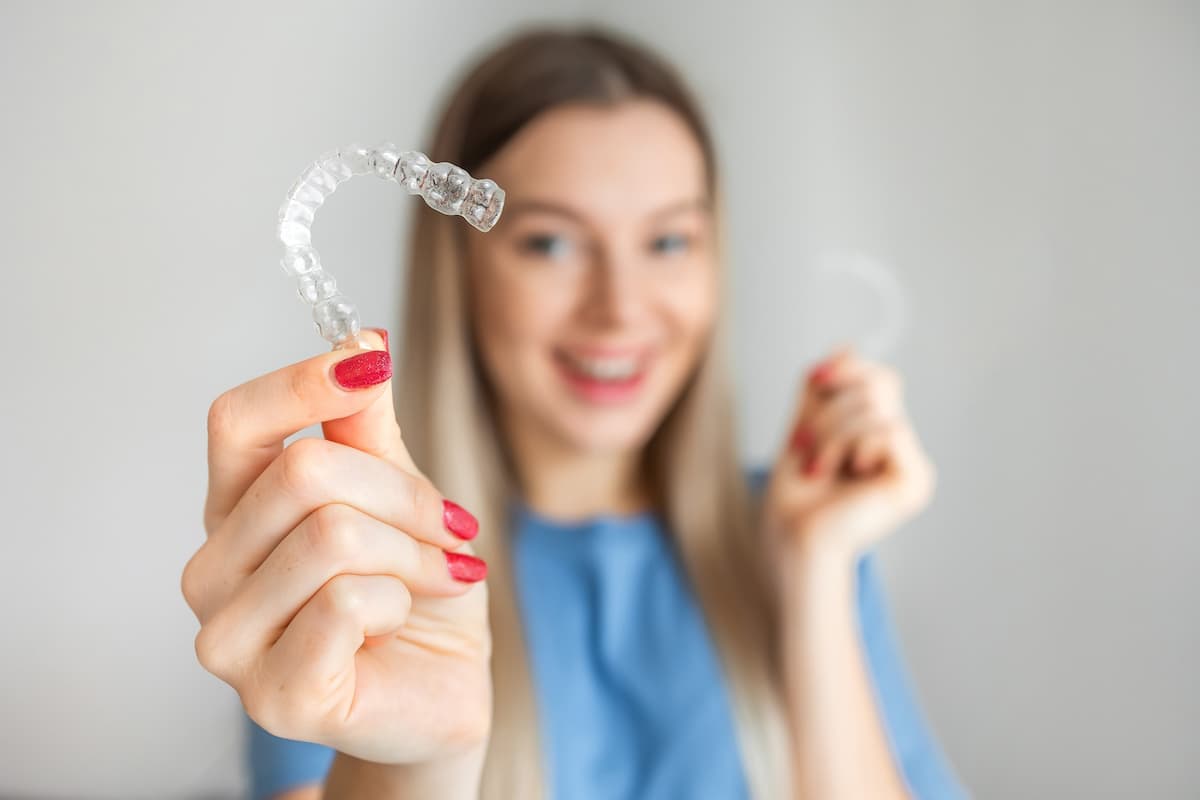
Invisalign uses a series of custom-made, removable clear aligners — thin plastic trays that fit closely over the teeth. Each aligner in the series produces a small, incremental tooth movement, and patients progress through the sequence at intervals determined by their treating clinician. Small tooth-coloured attachments may be bonded to certain teeth to assist with more specific movements.
Understanding this fundamental difference in how each system works is essential to understanding why suitability can vary considerably between individual patients.
Invisalign vs Braces: How Do They Compare?
The table below offers a concise overview of key comparison areas. Individual experiences may vary, and this overview is intended as a general guide rather than a clinical assessment of any individual's needs. If you want a dedicated side-by-side service comparison, see our clear aligners vs fixed braces page.
| Factor | Invisalign (Clear Aligners) | Traditional Braces |
|---|---|---|
| Appearance | Nearly invisible when worn | Visible brackets and wire; ceramic options less prominent |
| Removability | Removable by the patient | Fixed — cannot be removed between appointments |
| Eating and drinking | Removed before eating; cold water only when wearing | No restrictions on removal, but certain foods should be avoided |
| Oral hygiene | Teeth brushed normally; aligners cleaned separately | Requires additional care around brackets and wires |
| Suitability | Mild to moderate cases; some complex cases with advanced planning | Wide range of cases, including more complex movements |
| Compliance requirement | Typically 20–22 hours of daily wear required | No patient compliance required for wearing |
| Appointments | Regular check-ins; intervals vary by clinician | Regular adjustment appointments |
| Comfort | Generally smooth edges; pressure with each new tray | Initial discomfort after fitting and adjustments |
| Retainer requirement | Retainers required after treatment | Retainers required after treatment |
| Cost (UK) | Varies by provider, complexity and case | Varies by provider, type and complexity |
Is Invisalign Suitable for Everyone?
Invisalign can be a clinically appropriate option for a range of orthodontic situations, but it is not universally suitable for all patients or all types of tooth movement.
Clear aligners may be considered for patients with mild to moderate crowding, spacing concerns, or certain bite discrepancies. More complex cases involving significant bite correction, substantial vertical tooth movement, or specific rotations may require careful clinical evaluation to determine whether aligner therapy can deliver the intended outcomes — or whether fixed appliances would be more appropriate.
Several additional factors may influence whether Invisalign is clinically appropriate for a given patient:
- Age and dental development — Invisalign has options designed for teens and adults, though very young patients with developing dentition may not be suitable candidates until assessed by a clinician.
- Compliance — Clear aligners must typically be worn for around 20–22 hours each day to be effective. Patients who are unlikely to follow this requirement consistently may not achieve the expected outcomes with aligner therapy.
- Oral hygiene habits — Aligners should be removed before eating and the teeth should be cleaned before reinserting trays. Patients who struggle with consistent oral hygiene may be at increased risk of tooth decay or gum concerns if food and bacteria become trapped beneath aligners.
- Certain tooth movements — Some specific movements, such as precise torque control or significant vertical extrusion, may be more effectively managed with fixed appliances in some clinical situations.
Only a qualified dental professional — ideally one with appropriate orthodontic training or experience — can assess whether Invisalign may be suitable for a particular patient following a thorough clinical examination.
When Might Traditional Braces Be Considered?
Fixed appliances such as traditional metal braces continue to be a clinically well-established option across a wide range of orthodontic scenarios. There are situations where fixed braces may be considered as part of a treatment discussion:
- More complex tooth movements — Fixed appliances can apply forces in multiple planes simultaneously and may be more appropriate for cases involving significant crowding, complex bite correction, or specific rotational movements.
- Patient compliance considerations — Because fixed braces are bonded to the teeth and cannot be removed between appointments, they do not rely on patient compliance for wearing time. This can be a relevant clinical consideration for some patients.
- Certain age groups and developmental stages — In some younger patients, fixed appliances may be recommended depending on the nature of the orthodontic concern and the clinician's assessment.
- Budget considerations — In some cases, fixed appliances may represent a different cost structure to clear aligner systems, though costs vary considerably and should be discussed with a provider directly.
It is important to note that ceramic (tooth-coloured) braces are also available and may offer a less visually prominent alternative to metal brackets for patients who have aesthetic concerns but whose clinical needs align better with fixed appliances.
Invisalign vs Braces for Everyday Life
One of the most practical dimensions of the Invisalign or braces decision involves how each treatment fits into a patient's daily routine.
Eating and Drinking
One notable advantage of clear aligners is that they can be removed before meals, meaning there are generally no dietary restrictions associated with the appliances themselves. Patients are advised to remove aligners before eating or drinking anything other than plain cold water, and to clean their teeth before reinserting trays.
With fixed braces, patients are typically advised to avoid certain foods — particularly hard, sticky, or crunchy items — that could damage brackets or dislodge wires. This is a practical adjustment that some patients find straightforward, while others find it more limiting depending on their dietary habits.
Appearance and Social Confidence
For many patients, the nearly invisible nature of clear aligners is a significant consideration, particularly for adults in professional or social settings. Fixed braces are more visually apparent, though ceramic options may reduce this concern to some extent. Neither choice should carry any stigma, and both are commonplace among patients of a wide range of ages.
Sports and Physical Activities
Patients who participate in contact sports may find clear aligners more convenient, as they can be removed and a mouthguard worn in their place. With fixed braces, a specially fitted mouthguard is advisable, and the presence of brackets requires consideration when selecting protective equipment.
School and Work
Many adults and young people wear both types of appliances without significant disruption to daily life. Some patients notice a temporary adjustment to speech when they begin wearing clear aligners — a mild lisp that typically resolves within a short period as the tongue adapts to the new appliance.
Which Is Easier to Keep Clean?
Oral hygiene is an important consideration with any orthodontic treatment, and the implications differ between the two approaches.
With fixed braces, the brackets and wires create additional surfaces around which plaque can accumulate. Patients are typically advised to use interdental brushes, floss threaders or water flossers alongside standard brushing to clean effectively around the appliance. Maintaining thorough oral hygiene during fixed brace treatment requires attention and consistency to help reduce the risk of tooth decay or gum inflammation.
With Invisalign, the teeth can be brushed and flossed as normal once the aligners are removed. However, patients must also clean the aligners themselves — typically by rinsing and gently brushing them — and should avoid reinserting trays over unclean teeth, as this can create an environment in which bacterial exposure to tooth surfaces is prolonged.
Neither system eliminates the requirement for consistent oral hygiene. Both treatments carry a responsibility to maintain gum health and tooth health throughout the process, and any patient who has existing concerns about their gum health or plaque control should discuss this with their clinician before beginning orthodontic treatment.
Does Invisalign Cost More Than Braces in the UK?
Cost is a natural consideration for patients comparing orthodontic options, and it is one of the more variable factors in the decision. In the UK, the cost of both Invisalign and braces can vary considerably depending on:
- The treating provider and their qualifications and experience
- The complexity of the orthodontic case
- The expected treatment duration
- The type of appliance or aligner system used
- The number of appointments required
- Retention requirements following active treatment
- Geographic location, including whether treatment is sought in London or elsewhere
As a general guide, clear aligner systems — including Invisalign — can sometimes carry a higher cost than standard metal braces, though this is not universally the case and depends heavily on the factors above. Ceramic fixed braces may sit at a different price point again.
It is worth noting that the majority of orthodontic treatment for adults in the UK is provided through private dental practices, as NHS orthodontic treatment for adults is not routinely available. NHS orthodontic treatment for children and young people is available in some circumstances where there is a clinical need, assessed using the Index of Orthodontic Treatment Need (IOTN).
Patients are encouraged to request a clear written treatment plan and cost breakdown from their provider before proceeding, and to ask specifically what is included in the quoted fee — including whether retainers and follow-up appointments are covered.
How Long Do Invisalign and Braces Take?
Treatment duration with either system varies significantly between individuals and depends on the nature and complexity of the orthodontic concern being addressed.
As a general indication, orthodontic treatment with either clear aligners or fixed braces can range from several months for more straightforward cases to two years or more for more complex situations. Treatment response also varies between patients, which means that estimated timelines provided at the outset of treatment may need to be adjusted as treatment progresses.
Patients are advised to approach quoted treatment timelines as estimates rather than guarantees, and to discuss with their clinician what factors might influence the actual duration in their specific case.
What Happens After Invisalign or Braces?
Whichever orthodontic treatment a patient undergoes, the active phase of treatment is followed by a retention phase — and this is a critical element of long-term outcomes.
Once teeth have been moved into their new positions, they have a natural tendency to shift back toward where they were. Retainers are used to maintain alignment and are generally recommended for a prolonged period — often indefinitely in some form — following the completion of active orthodontic treatment.
Retainers may be:
- Removable — worn at night or for specified periods each day
- Fixed (bonded) — a thin wire bonded to the back surfaces of the teeth, typically the lower front teeth, which remains in place and does not require the patient to remember to wear it (see fixed retainers)
The type of retainer recommended may depend on the treatment undertaken, the orthodontic movements that were carried out, the individual patient's tendency toward relapse, and clinician preference. This is an important conversation to have with any treating professional before beginning orthodontic treatment, as retention is a long-term commitment regardless of which treatment pathway is chosen.
How Do You Decide Between Invisalign and Braces?
There is no single answer to this question that applies to every patient. The decision between Invisalign and traditional braces involves a combination of clinical factors and personal preferences, and it should ideally be made in consultation with a qualified dental professional following a thorough examination.
Some questions that patients may find helpful to reflect on include:
- How important is the appearance of the appliance to me? If discretion is a high priority, clear aligners may be more appealing — though this must be balanced against clinical suitability.
- How confident am I in wearing aligners consistently for 20–22 hours a day? If compliance is a concern, this should be discussed openly with a clinician.
- Do I have a complex orthodontic concern or a more straightforward one? More complex cases may require specific clinical discussion about which approach can deliver the appropriate range of movements.
- How do I manage my oral hygiene at present? Existing challenges with plaque control may be relevant to the discussion.
- What are my lifestyle priorities around eating, sports, or appearance? These can inform the practical fit of each option.
- What is my budget, and what does the quoted fee include? Financial considerations are legitimate and should be discussed transparently with a provider.
Ultimately, the most informed starting point is a professional orthodontic assessment, during which a clinician with appropriate qualifications and experience can evaluate your individual dental situation and discuss which options may be clinically appropriate for you.
If you are considering orthodontic treatment and would like to understand your options further, booking a dental consultation is a helpful first step. This allows you to explore what may be suitable based on your individual circumstances rather than general comparison information alone.
Frequently Asked Questions
Can Invisalign aligners be removed for meals?
Yes — one of the practical features of clear aligners is that they can be removed before eating or drinking anything other than plain cold water. Patients are advised to clean their teeth before reinserting the aligners. This means there are generally no food-related restrictions associated with the aligners themselves, unlike fixed braces where certain foods may need to be avoided.
Can you switch from braces to Invisalign partway through treatment?
In some circumstances, a switch between appliance types may be possible, but this depends on clinical factors including what has already been achieved, the nature of the remaining tooth movements required, and the clinician's assessment. Switching mid-treatment is not always appropriate and should be discussed thoroughly with a treating professional before any decision is made.
Are braces generally more suitable for complex orthodontic cases?
Fixed appliances have historically been used across a wider range of orthodontic complexity, including cases involving significant bite correction or specific tooth movements. However, advances in aligner technology mean that some cases once considered unsuitable for clear aligners can now be addressed using this approach, depending on the clinician's expertise and the specific treatment plan. Suitability always requires individual clinical assessment.
Can Invisalign affect speech temporarily?
Some patients notice a mild temporary lisp or change in speech clarity when they first begin wearing clear aligners. This typically resolves within a short adjustment period as the tongue adapts to the presence of the trays. If speech concerns persist beyond the initial adaptation phase, this should be raised with the treating clinician.
Do both treatments require retainers once completed?
Yes — retainers are generally recommended after both Invisalign and fixed brace treatment. Teeth have a natural tendency to shift following active treatment, and retainers help to maintain the achieved alignment. The type of retainer recommended — removable or fixed — may vary depending on the individual case and clinician's guidance. Retention is typically a long-term commitment.
Can adults choose either orthodontic treatment?
Adults can be considered for both Invisalign and fixed braces, subject to individual clinical suitability. There is no upper age limit for orthodontic treatment in adults, though factors such as bone density, gum health, and the presence of dental restorations may influence the clinical discussion. An assessment by an appropriately qualified professional will help clarify which options may be suitable.
What happens if clear aligners are not worn as advised?
Clear aligners rely on consistent wear — typically around 20–22 hours per day — to achieve the planned tooth movements. If aligners are worn for significantly fewer hours than recommended, the treatment may not progress as planned, timelines may extend, and the final outcome may differ from what was intended. Compliance is a key factor in the suitability discussion for aligner therapy.
Can orthodontic treatment address concerns beyond appearance?
Yes — orthodontic treatment may be considered not only for aesthetic reasons but also where tooth alignment or bite function is contributing to clinical concerns, such as difficulty cleaning certain areas of the teeth, uneven wear on tooth surfaces, or specific bite-related issues. A clinical assessment can help determine whether orthodontic treatment may be appropriate for functional as well as aesthetic reasons.
Is there a difference in how many dental appointments each treatment requires?
Both treatments require regular professional monitoring, though the frequency and nature of appointments may differ. Fixed brace treatment involves scheduled adjustment appointments, while Invisalign involves check-in appointments at intervals determined by the clinician — often with patients managing aligner progression at home between visits. The overall number of appointments can vary considerably depending on the complexity of the case and the clinician's approach.
Dental Disclaimer
This article is general educational information and is not a diagnosis or personalised orthodontic advice. Suitability for Invisalign, fixed braces, or other options must be confirmed by clinical assessment. Treatment duration, comfort, and outcomes vary by patient, and no specific result is guaranteed. If you are considering orthodontic treatment, seek advice from a qualified GDC-registered dental professional. Final treatment planning should follow an in-person examination.
- Written Date: 14 August 2026
- Next Review Date: 14 August 2027
Ready to Book an Appointment?
Our team is here to help you with all your dental and medical needs.








