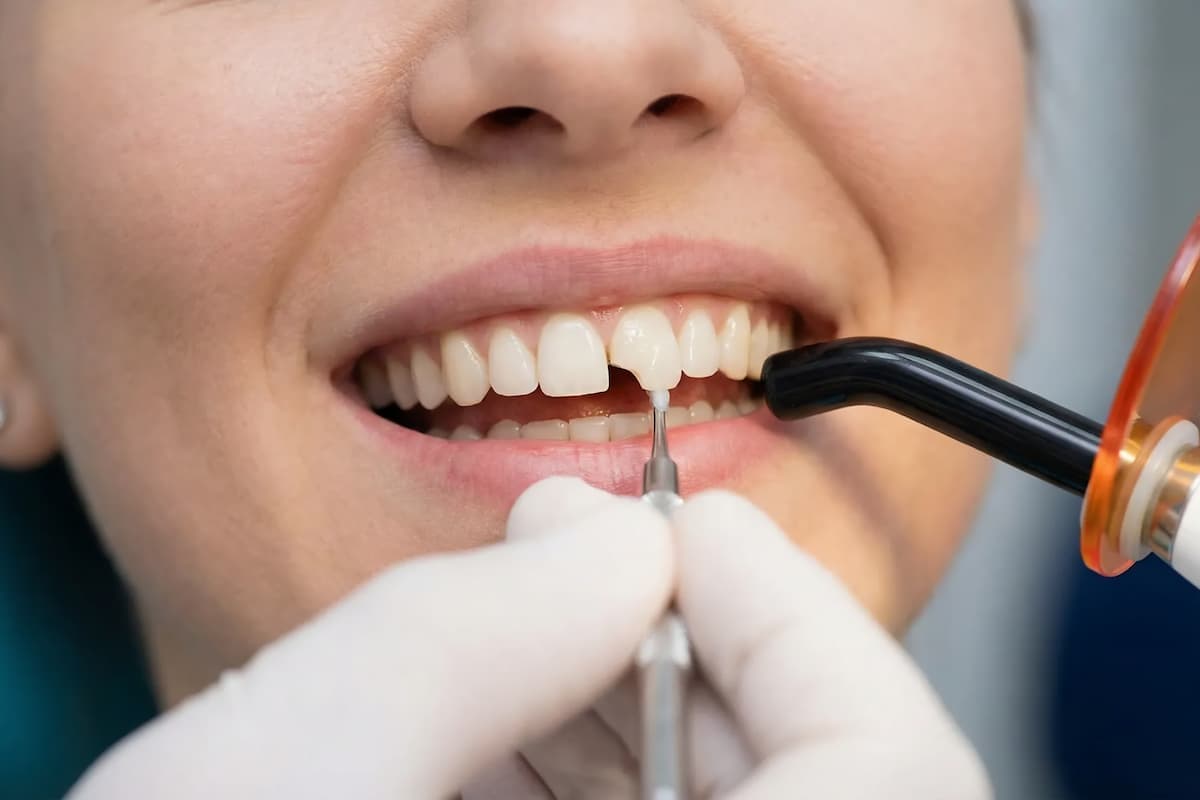
How Can Composite Bonding Help Restore Tooth Contours
Teeth are rarely perfectly uniform. A chipped edge from biting something hard, gradual wearing of tooth surfaces over time, or simply a natural irregularity in shape — these are all concerns that bring people to ask whether something can be done to improve the way a tooth looks or feels. Composite bonding for tooth contours is one option a dentist may consider in certain circumstances, though whether it is appropriate depends on the specific tooth and the clinical picture as a whole. For treatment context, you can review composite bonding at Wimpole Street MD.
This article explains what tooth contours mean, how composite resin bonding works in relation to shape and proportion, when it may be a suitable approach, and where its limitations lie.
What Are Tooth Contours and Why Do They Matter?
The word "contour" in a dental context refers to the three-dimensional shape of a tooth — its edges, surface curves, height, width, and the way it meets adjacent and opposing teeth. Natural tooth anatomy gives each tooth a characteristic profile. Incisors have clean, defined edges for cutting; canines have pointed tips that guide the jaw; premolars and molars have broader biting surfaces with cusps designed for grinding.
When these contours change — through chipping, gradual wear, developmental irregularity, or damage — the effect can be both aesthetic and functional. A tooth may look shorter, asymmetrical, or jagged. In some cases, an altered contour can also affect how the bite distributes force.
It is worth asking yourself: is your concern primarily about how the tooth looks, or does it affect how you bite or chew? The answer can influence which approach a dentist might recommend, because cosmetic and functional tooth contour changes do not always require the same solution.
What Is Composite Bonding?
Composite bonding is a restorative and cosmetic dental technique in which a tooth-coloured composite resin material is applied to a tooth's surface and shaped before being set with a curing light. The material can be sculpted to alter the tooth's visible profile — its edge, length, width, or surface texture — and then polished to produce a natural-looking finish.
Unlike some other restorative approaches, composite bonding is generally an additive procedure. In many cases, this means significant removal of natural tooth enamel is not required, though minor preparation of the tooth surface may be carried out depending on clinical need. Current dental guidance emphasises the importance of preserving existing tooth structure wherever clinically appropriate, and a conservative approach is generally preferred when it is likely to achieve the intended clinical outcome.
Composite resin bonding is performed by a trained dental professional. The material is applied in layers, built up gradually, and shaped precisely to blend with surrounding teeth. Done well, it can be difficult to distinguish from natural tooth structure.
How Composite Bonding Can Be Used to Restore or Alter Tooth Contours
Rebuilding a Chipped or Fractured Edge
One of the most common applications of tooth contouring with composite bonding is the repair of a chipped tooth edge. Whether caused by trauma, biting on something hard, or an existing restoration failing, a chip can leave a tooth with a visible notch or uneven profile. In cases where the underlying tooth structure is sound and the chip is not extensive, composite resin may be used to rebuild the missing portion and restore the tooth's natural edge profile.
The suitability of this approach depends on the size and location of the chip, the remaining tooth structure, and the forces the tooth will be exposed to. A dentist will assess these factors before recommending bonding as an approach.
Improving Uneven or Irregular Tooth Edges
Some people have teeth that are naturally uneven along the biting edge — a condition sometimes described as an uneven gum line or irregular incisal edge. Composite bonding for uneven teeth may allow small additions of material to selected teeth to create a more even appearance. This is distinct from significant structural restoration and requires careful assessment to ensure the additions will be stable and will not interfere with the bite. If you are comparing practical use-cases, this article on what composite bonding can help improve may help.
Addressing Minor Effects of Tooth Wear
Tooth wear — which can result from habits such as bruxism (grinding), dietary acid erosion, or abrasion — can gradually alter the edges and surfaces of teeth. Where wear has produced minor changes to tooth contours, composite bonding may be considered as part of a broader management plan. However, it is important to understand that composite bonding for worn teeth does not address the underlying cause of wear. If grinding or acid erosion is ongoing, any restorations placed may themselves be subject to the same forces.
A dentist would typically want to understand and, where possible, manage the cause of wear before recommending restorative treatment for its effects.
Altering Apparent Tooth Proportions
In some cases, a tooth may be smaller, shorter, or narrower than neighbouring teeth in a way that creates visual imbalance. Composite bonding for tooth shape can allow a dentist to add small amounts of material to increase apparent length or width. These changes are typically modest in scale — bonding is generally better suited to incremental adjustments than to substantial changes in tooth dimension.
When Composite Bonding for Tooth Contours May Be Suitable
Composite bonding tends to be most suitable when:
- The change in contour required is relatively minor or localised
- The affected tooth has sufficient remaining structure to support the addition
- The underlying cause of contour loss (if any) has been identified and addressed where possible
- The bite is assessed and will not place excessive force on the bonded area
- Oral health is in good condition — existing decay or gum disease would generally need to be treated first
- Patient expectations are consistent with what the material and technique can realistically achieve
Suitability is always an individual clinical question. Two patients presenting with apparently similar concerns may have different underlying clinical pictures that make composite bonding appropriate for one and not the other.
Limitations of Composite Bonding for Tooth Contour Restoration
Understanding the limitations of composite bonding is just as important as understanding its potential applications.
Composite resin is not the same as natural enamel. It does not have identical hardness, translucency, or wear characteristics, and it may behave differently under functional loading over time.
Composite bonding can stain. The material may pick up colour from food, drink, and habits such as smoking, particularly at the margins. Regular professional maintenance and polishing can help manage this.
Composite bonding can chip or wear. Especially where bonded material is placed on a tooth edge subject to significant biting force, the composite may chip or wear unevenly. This can often be repaired, but it is a realistic possibility.
Not all contour changes are within the scope of bonding. Where significant tooth structure has been lost — for example through extensive wear, fracture, or decay — bonding alone may not provide adequate restoration. In these cases, other approaches such as a porcelain veneer or a dental crown may be more appropriate.
Longevity varies considerably. How long composite bonding lasts depends on the location of the tooth, the size of the addition, the patient's bite, their habits, and how well the restoration is maintained. There is no universally applicable lifespan. A dentist can give a more specific indication based on individual circumstances, but no specific outcome can be guaranteed.
Composite Bonding Compared with Other Options for Reshaping Teeth
When considering restoring tooth shape, several approaches may be relevant depending on the clinical situation. The table below offers a general overview, though this should not substitute for individual clinical assessment.
| Option | Potential role | Key consideration |
|---|---|---|
| Composite bonding | Additive contour changes in selected cases | May require maintenance; affected by wear and staining |
| Tooth reshaping (enameloplasty) | Minor contour reduction in suitable cases | Requires sufficient enamel; removes rather than adds structure |
| Porcelain veneers | More extensive aesthetic shape changes | Greater treatment planning considerations; less easily repaired |
| Dental crowns | Restoration of substantially compromised teeth in selected cases | More extensive restorative procedure; considered where significant structural support is needed |
The General Dental Council expects dental professionals to discuss all clinically relevant options with patients so that informed decisions can be made. No single approach is universally superior — the most appropriate option depends on the specific clinical circumstances.
Maintenance and Longevity
Composite resin bonding requires ongoing care. A thorough daily oral hygiene routine — including brushing twice daily with a fluoride toothpaste and interdental cleaning — helps protect both the bonded tooth and the surrounding oral health.
Regular dental check-ups and hygiene appointments are important. A dental professional can assess the condition of bonded restorations over time, identify early signs of wear or staining, and carry out professional polishing where appropriate.
Certain habits can shorten the lifespan of bonded restorations. These include nail biting, chewing pens, grinding teeth, and consuming large quantities of highly pigmented food and drink. Where bruxism is identified, a dentist may recommend a protective occlusal splint to reduce functional loading on restorations.
If a composite bonded restoration chips or wears, it can often be repaired or replaced more straightforwardly than some alternative restorations — this is one practical advantage of the material.
Why Professional Assessment Matters Before Altering Tooth Contours
If you are considering changes to a tooth's shape, a professional clinical assessment is an essential first step. A dentist will examine the tooth and surrounding structures, review your bite and jaw function, identify the likely cause of any contour change, and consider the broader oral health picture before making any recommendation.
This assessment matters because:
- Not all contour changes have the same cause or require the same solution
- Some underlying issues — such as ongoing wear, grinding, or acid erosion — need to be managed before restorative treatment is considered
- The bite plays a significant role in determining whether composite bonding will be stable in a given location
- Oral health conditions such as decay or gum disease should be addressed before cosmetic or restorative treatment is undertaken
Has the change in tooth shape developed gradually over time, or did it follow a specific event such as a knock or bite on something hard? This distinction can help a dentist understand the likely cause and choose an appropriate approach. If you are feeling self-conscious about a tooth's shape, there is no need to feel embarrassed about raising it — dentists are experienced in discussing these concerns sensitively and practically. If surface wear is part of the picture, this guide on veneers for teeth affected by surface wear can provide additional context.
Frequently Asked Questions
Can composite bonding repair a chipped tooth completely?
In suitable cases, composite resin can be used to rebuild a chipped tooth edge and restore much of its original profile. The extent to which the result is achievable depends on the size of the chip, the remaining tooth structure, and the position of the tooth. A dentist can advise on what is realistic for a specific tooth after examination.
Is composite bonding painful?
Composite bonding for minor contour changes is often carried out without the need for local anaesthesia, as the procedure is typically additive and does not involve significant drilling of tooth structure. However, this depends on the individual case. A dentist will discuss what is involved before any treatment begins.
Can composite bonding change the shape of a tooth permanently?
Composite bonding is not permanent in the same way that natural tooth structure is. The material can last for several years with appropriate care, but it may eventually require maintenance, repair, or replacement. It can also be reversed in many cases, which is not always true of more extensive restorative options.
Will composite bonding look natural on a tooth?
Composite resin materials are available in a range of shades and can be carefully matched to surrounding teeth. When applied and polished by a skilled clinician, the result can closely resemble natural tooth structure. Over time, the material may lose some lustre or pick up staining, but professional polishing can help restore its appearance.
Can composite bonding be used to address teeth worn down by grinding?
Composite bonding may be considered as part of a management plan for teeth affected by mild wear, but it is not a standalone solution where grinding is the underlying cause. If bruxism is present and unmanaged, it is likely to affect any composite restorations placed. A dentist would typically address the grinding itself — often with an occlusal splint — before considering restorative work.
How does composite bonding compare with veneers for changing tooth shape?
Both options can alter the visible shape of a tooth, but they differ in the extent of change achievable, the nature of the preparation involved, and the materials used. Composite bonding tends to involve less preparation, is more easily repaired, and is generally considered before more extensive options. Veneers may offer greater aesthetic control for more complex shape changes, though they carry different considerations. A dentist can discuss which approach is more appropriate based on the specific clinical situation.
Is composite bonding on back teeth different from front teeth?
Back teeth are subject to considerably greater bite force than front teeth. Composite restorations on premolars and molars may be more susceptible to wear or fracture as a result. A dentist will consider tooth location and functional loading carefully when assessing the suitability of composite bonding for any particular tooth.
Does the colour of composite bonding change over time?
Composite resin can absorb pigment from food, drinks, and habits such as smoking, particularly at the edges of the restoration. This can lead to a gradual change in appearance over time. Professional cleaning and polishing can help manage surface staining, and maintaining good oral hygiene habits supports the longevity of the restoration's appearance.
What should I ask a dentist before having composite bonding for tooth contours?
It may be helpful to ask: What is causing the change in my tooth's contour? Is composite bonding the most appropriate option in my case? What are the realistic outcomes and limitations? How long might the bonding last given my specific circumstances? What maintenance will I need to carry out? What alternatives are available? A thorough discussion before treatment helps ensure your expectations are well informed.
Is composite bonding available on the NHS for tooth contouring?
NHS dental treatment in the UK is generally provided according to clinical need. Composite bonding for cosmetic purposes — such as improving the appearance of tooth shape without underlying damage or function being affected — is not typically available as an NHS treatment. Where bonding addresses a clinical need, such as repairing a fractured tooth, the situation may differ. It is worth discussing this with your dental practice, as NHS and private treatment arrangements vary.
Disclaimer
This article is for general information only and is not personal dental advice. Suitability and outcomes vary by individual clinical circumstances. A full assessment by a GDC-registered dental professional is needed before treatment. For urgent symptoms, contact your dentist or an emergency dental service.
Written Date: 31 August 2026 Next Review Date: 31 August 2027
Ready to Book an Appointment?
Our team is here to help you with all your dental and medical needs.








