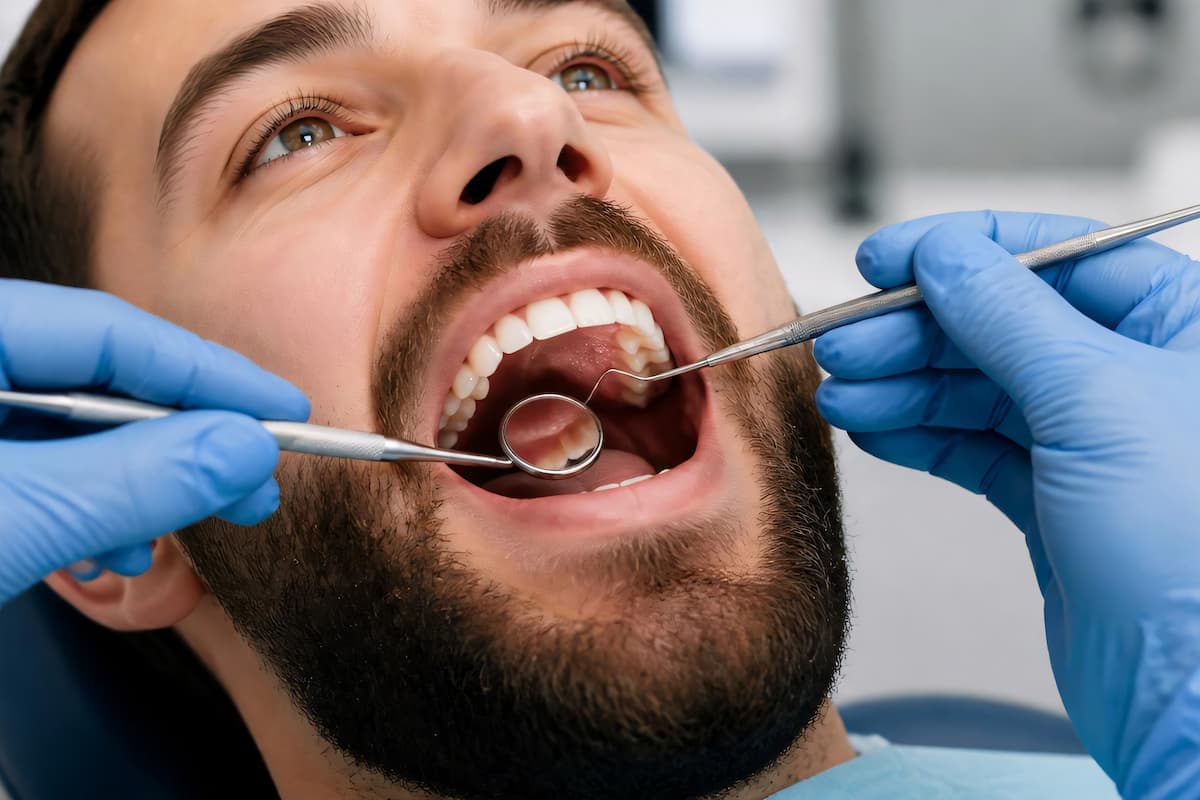
Gum Disease: Early Signs and How to Prevent It
Many people notice occasional bleeding when brushing or a slight puffiness around the gums but put it down to brushing too hard or having sensitive teeth. In many cases, these changes may pass without concern — but they can also be among the earliest signs that gum health needs attention.
Gum disease is one of the most common dental conditions affecting adults in the UK. The encouraging aspect is that when changes are identified early, consistent oral hygiene and professional dental care can make a meaningful difference to long-term periodontal health.
What Is Gum Disease?
Gum disease is a term used to describe inflammation and infection affecting the gums and, in more advanced cases, the deeper tissues that support the teeth. It is primarily associated with the build-up of dental plaque — a sticky film of bacteria that forms on tooth surfaces throughout the day.
When plaque is not removed effectively through regular brushing and interdental cleaning, it can cause the gums to become inflamed. This early stage of gum-related inflammation is referred to as gingivitis.
If gingival inflammation is left unmanaged over time, it may, in some individuals, progress to affect the supporting structures of the teeth — including the bone and ligaments. This more advanced form is known as periodontitis. It is important to understand that gingivitis and periodontitis are not the same condition, and not every case of gingivitis will progress to periodontitis. Individual susceptibility, oral hygiene habits, and other factors all play a role.
Current UK oral health guidance, including information published by the NHS and supported by NICE, identifies gum disease as a preventable condition in many cases, making early awareness particularly valuable.
What Are the Early Signs of Gum Disease?
Gum disease symptoms in the early stages are often subtle, which is one of the reasons they can be overlooked. The following changes may be associated with early gum disease, though they can also arise from other causes. A dental professional can help assess what may be contributing to any symptoms you notice.
Bleeding Gums
Bleeding when brushing or using interdental cleaning products is one of the most recognised early indicators. Healthy gums should not bleed routinely during cleaning. While occasional sensitivity can occur for various reasons, persistent bleeding when brushing or flossing may indicate gum inflammation and is worth discussing with a dental professional.
It is worth noting that bleeding gums do not automatically signal severe disease — but they should not simply be dismissed as normal either.
Red or Swollen Gums
Healthy gums typically appear pale pink and sit firmly around the base of the teeth. Redness, puffiness, or a change in the texture of the gums can be associated with gingival inflammation. These early visual changes are often linked to plaque accumulation at the gum line.
Tender or Sensitive Gums
Gums that feel sore or tender to touch, particularly around the gum margin, may indicate inflammation. This tenderness can sometimes occur without any visible change, which is one reason that gum health is best assessed by a dental professional rather than through self-examination alone.
Persistent Bad Breath
Persistent bad breath — sometimes called halitosis — can be associated with the bacterial activity that accompanies gum disease. While bad breath has numerous potential causes, including dietary factors and dry mouth, when it persists despite good oral hygiene, it can sometimes suggest that gum health deserves closer attention.
Changes in Gum Appearance
Any noticeable change in the position, colour, or contour of the gums — including gums that appear to be receding or pulling away from the tooth — may be worth raising with a dental professional. These changes can sometimes occur gradually and may go unnoticed without routine dental examinations.
How Does Early Gum Disease Differ From Periodontitis?
Understanding the difference between gingivitis and periodontitis helps to explain why early recognition matters.
Gingivitis is inflammation confined to the gum tissue itself. At this stage, the supporting structures of the teeth — the bone and periodontal ligament — are not affected. Gingivitis is considered reversible with effective plaque control and, where appropriate, professional dental cleaning.
Periodontitis involves the progression of inflammation beyond the gum tissue into the deeper periodontal structures. This can affect the bone and connective tissues that hold teeth in place. Changes at this stage may not be fully reversible, and professional assessment and management become particularly important.
The distinction is clinically significant because it underlines why addressing early gum disease symptoms promptly — rather than waiting for more noticeable changes — can be important for long-term periodontal health.
| Feature | Gingivitis | Periodontitis |
|---|---|---|
| Tissues affected | Gum tissue only | Gum tissue + supporting bone and ligament |
| Reversibility | Generally reversible with good plaque control | Established changes may not be fully reversible |
| Symptoms | Bleeding, redness, swelling | May also include receding gums, loose teeth, deeper pocketing |
| Professional assessment | Recommended | Essential |
What Causes Gum Disease?
The primary driver of gum disease is the build-up of dental plaque along and beneath the gum line. When plaque is not consistently removed, it can harden into tartar (also known as calculus), which cannot be removed by toothbrushing alone and requires professional cleaning.
Several factors can increase an individual's likelihood of developing gum problems:
- Inconsistent oral hygiene — infrequent brushing or not cleaning between teeth
- Smoking and tobacco use — strongly associated with increased risk and can mask gum disease symptoms such as bleeding
- Certain medical conditions — including diabetes, which can influence periodontal health
- Some medications — which may affect saliva flow or gum tissue
- Hormonal changes — such as those occurring during pregnancy
- Genetic susceptibility — some individuals may be more prone to gum disease despite good oral hygiene
Understanding these factors can be useful when working with a dental professional to support your gum health.
How Can You Help Prevent Gum Disease?
Gum disease prevention centres on consistent daily oral hygiene and regular professional dental care. The following measures are supported by current UK oral health guidance:
- Brush twice daily using a fluoride toothpaste — morning and last thing at night
- Clean between your teeth once a day using interdental brushes or floss (see below)
- Use a toothbrush suited to your needs — electric or manual toothbrushes can both be effective when used correctly
- Avoid smoking — tobacco use is a significant risk factor for gum disease
- Attend routine dental examinations — the frequency appropriate for you will depend on your dental professional's assessment
- Follow any specific advice from your dental team, particularly if you have an increased risk of gum problems
Preventive dentistry is most effective when it is sustained over time. Short periods of improved hygiene are helpful, but the greatest benefit comes from consistent daily plaque removal.
Why Is Interdental Cleaning Important for Gum Health?
A toothbrush, however effective, cannot reach all of the surfaces between teeth. Plaque that accumulates in these spaces can contribute to gum inflammation at the gum line — an area particularly associated with early gum disease changes.
Interdental cleaning helps to remove plaque from the contact points between teeth and just beneath the gum margin. Options may include:
- Interdental brushes — widely recommended for individuals with sufficient space between the teeth
- Dental floss or tape — may be more suitable where interdental spaces are tighter
- Water flossers or other adjuncts — which some individuals find helpful, though effectiveness varies
The most appropriate interdental cleaning method can vary depending on tooth spacing, individual dexterity, and any restorations or dental work in place. A dental hygienist or dentist can advise on the most suitable approach for your circumstances.
When Should You Seek Professional Dental Advice?
If you notice any of the following, it may be appropriate to arrange a professional dental assessment:
- Gums that bleed consistently during brushing or interdental cleaning
- Persistent swelling, redness, or tenderness around the gums
- Bad breath that does not improve with regular oral hygiene
- Gums that appear to be receding or changing position
- Teeth that feel loose or have shifted
- Any significant changes around the gums that persist over time
A dental professional can assess the health of the gums, identify any plaque or tartar that may be contributing to symptoms, and advise on the most appropriate next steps. This kind of assessment does not have to wait until symptoms become severe — routine dental examinations are specifically designed to identify early changes before they progress.
Can Early Gum Disease Be Reversed?
When gum inflammation is detected at the gingivitis stage, improving daily plaque removal and attending professional dental cleaning can help to reduce inflammation and restore gum health in many cases. This is not a guaranteed outcome and depends on individual factors, including the extent of any changes and how consistently oral hygiene is maintained.
Where periodontitis has already developed and structural changes have occurred, the goal shifts toward stabilising the condition and preventing further progression rather than reversing established changes. Individual outcomes depend on the nature of the condition, the response to professional management, and ongoing self-care habits.
Professional assessment is the most reliable way to understand what stage gum disease may have reached and what options may be appropriate.
How Can You Maintain Healthy Gums Long Term?
Healthy gums are best maintained through habits that are simple, sustainable, and consistent. A practical long-term routine might include:
- Brushing last thing at night and at one other point during the day with fluoride toothpaste
- Incorporating daily interdental cleaning as a regular habit
- Attending dental examinations at the frequency recommended by your dental team
- Raising any concerns about gum changes promptly rather than waiting
- Avoiding tobacco in any form
- Discussing any health changes with your dental team, particularly those that may affect oral health
Periodontal health is not achieved through occasional effort — it benefits most from consistent, everyday care maintained over the long term.
A Note on Professional Care
If you have noticed persistent gum changes or have not attended a dental examination recently, speaking with a dental professional is a positive and straightforward step. Routine preventive dental care is one of the most effective ways to support gum health and identify any early changes before they develop further. There is no need to wait for symptoms to become severe before seeking professional advice.
Frequently Asked Questions
Can gum disease develop even if I brush my teeth regularly?
Yes, gum disease can develop even with regular brushing. Toothbrushing alone does not clean the spaces between teeth, where plaque commonly accumulates. Without interdental cleaning, plaque in these areas may contribute to gum inflammation over time. Brushing technique and toothbrush coverage also play a role in how effectively plaque is removed.
Is it normal for gums to bleed occasionally?
Occasional bleeding can occur for various reasons, but healthy gums should not bleed routinely when brushing or using interdental products. Persistent bleeding when cleaning teeth may be associated with gum inflammation and is worth mentioning to a dental professional, particularly if it has been present for more than a couple of weeks.
Can stress affect gum health?
There is evidence suggesting a link between sustained psychological stress and immune function, which may in turn influence susceptibility to infection, including gum-related conditions. Stress can also affect habits such as oral hygiene consistency, sleep, and diet. If you are experiencing significant stress and notice changes in your gum health, it may be worth discussing this with your dental team.
At what age does gum disease typically begin?
Gum inflammation can develop at any age, including in younger adults and teenagers. However, periodontitis — the more advanced form — becomes more common with age. This does not mean younger individuals are unaffected. Routine dental examinations throughout life are important for monitoring gum health across all age groups.
Does diet affect gum health?
Diet can influence gum health in several ways. Frequent consumption of sugary or acidic foods and drinks contributes to plaque activity. A diet that supports general health, including adequate vitamin C intake, may also be relevant to gum tissue integrity. However, diet alone is unlikely to reverse established gum disease, and good daily plaque control remains the most important preventive measure.
Can gum disease affect overall health?
Some research has explored associations between gum disease and conditions such as cardiovascular health and diabetes management. The relationship is complex, and the evidence continues to evolve. It is not accurate to state that gum disease causes these conditions, but the association supports the value of good periodontal health as part of overall wellbeing. Your dental professional can provide more information relevant to your individual circumstances.
Will improving my oral hygiene stop gum disease from getting worse?
Improving daily plaque control can make a meaningful difference, particularly in the early stages of gum disease. It may help reduce gum inflammation and support overall periodontal health. However, when tartar has already built up beneath the gum line, professional cleaning is typically needed alongside improved self-care. Individual responses vary, and a dental professional can assess your situation and advise accordingly.
Is gum disease more common in smokers?
Smoking is recognised as a significant risk factor for gum disease. Tobacco use can impair the body's immune response and affect how gums respond to plaque. It can also mask some gum disease symptoms — for example, smokers may not bleed as readily, which can make early detection more difficult. Reducing or stopping tobacco use is one of the most beneficial steps a person can take to support gum health.
Do I need a hygienist appointment as well as a dentist appointment?
A dentist and a dental hygienist provide complementary but distinct roles in supporting gum health. A hygienist typically focuses on professional cleaning, plaque and tartar removal, and tailored oral hygiene instruction. Whether hygienist appointments are recommended for you, and how frequently, will depend on your individual gum health needs. Your dentist can advise on the most appropriate preventive care plan for your circumstances.
If my gums look normal, can I still have gum disease?
Yes. In some cases, gum disease — particularly in its earlier or less visible stages — may not produce obvious visible changes that are easy to self-assess. Some changes, such as pocketing between the teeth and gums, can only be identified through professional examination. This is one of the key reasons routine dental check-ups are valuable even when teeth and gums appear to look and feel normal.
Dental Disclaimer
This article provides general educational information and does not replace professional dental diagnosis or treatment. Signs, causes, and treatment suitability vary by patient and require an individual clinical assessment. No specific outcome is guaranteed, and preventive advice may not apply the same way to everyone. If you have persistent bleeding, swelling, pain, or other concerns, seek prompt care from a qualified dentist. Clinical decisions should always be made with a regulated dental professional.
- Written Date: 14 August 2026
- Next Review Date: 14 August 2027
Ready to Book an Appointment?
Our team is here to help you with all your dental and medical needs.








