Composite Bonding Cost in the UK: Prices Per Tooth and Full Set
Understanding the cost of composite bonding in the UK can feel complicated, particularly when prices vary between dental practices and depend on so many individual factors. Whether you are considering treatment for a single chipped tooth, uneven edges across several front teeth, or a more extensive smile enhancement plan, knowing what influences the final quotation helps you make a more informed decision.
This article explains how composite bonding cost is calculated, what per-tooth pricing means in practice, how full-set treatment fees are structured, and what patients should ask before comparing quotations.
Quick Answer: How Much Does Composite Bonding Cost in the UK?
Composite bonding cost in the UK varies between dental practices and depends primarily on the number of teeth being treated, the type of bonding, and the complexity of the work involved. As a general indication, private fees for a single tooth can range from approximately £150 to £400 or more, while treating multiple teeth increases the total accordingly. Full-set composite bonding plans vary considerably depending on the scope of treatment agreed at assessment. Purely cosmetic bonding is not routinely available through the NHS.
What Is Composite Bonding?
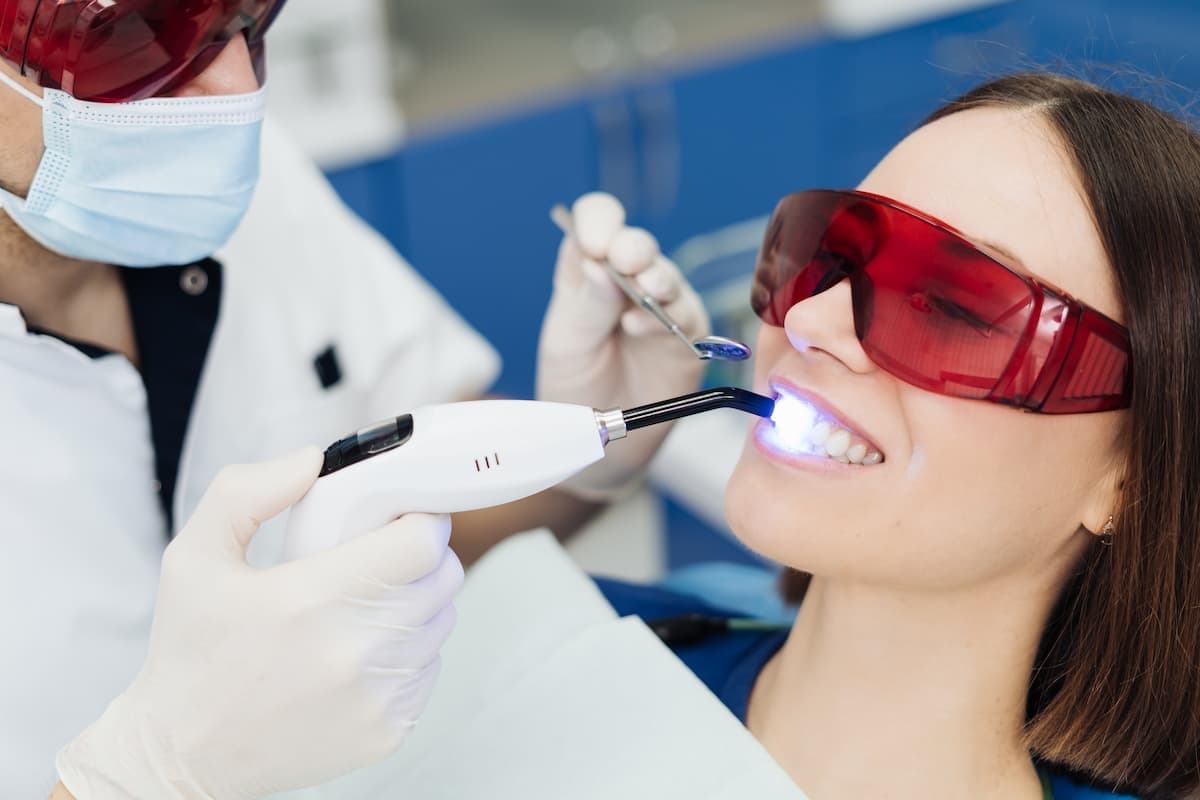
Composite bonding is a cosmetic and restorative dental technique in which a tooth-coloured composite resin material is applied directly to the surface of a tooth, shaped, hardened with a curing light and polished to a natural finish. The dentist selects a shade of composite resin that closely matches the surrounding teeth, then carefully sculpts the material to achieve the desired contour.
The treatment is often described as minimally invasive because it typically requires little or no removal of natural tooth enamel. In many straightforward cases, no anaesthetic is needed. However, the extent of preparation depends on the individual tooth and the clinical objectives of the treatment.
Composite bonding may be used to address a range of concerns, including minor chips, small gaps between teeth, slight irregularities in tooth shape, uneven or worn edges, and certain types of tooth discolouration that do not respond fully to whitening.
What Is Composite Edge Bonding?
Composite edge bonding is a more targeted form of treatment in which composite resin is applied specifically to the edges or tips of the teeth, rather than across a larger surface area. It is often considered for patients who have experienced minor chipping, slight wear or uneven edges along the biting surfaces of their front teeth.
Because edge bonding typically involves a smaller amount of composite material than full-surface bonding, the treatment scope is often more limited. That said, the total cost still depends on how many teeth require attention and the degree of contouring involved. Edge bonding across several teeth is not automatically cheaper than a single tooth receiving more extensive composite work — the relationship between treatment type and cost is not always straightforward.
It is important not to assume that edge bonding is a simplified or lower-quality alternative to other forms of composite bonding. It is simply a different clinical approach suited to different circumstances.
How Much Does Composite Bonding Cost Per Tooth in the UK?
For patients researching how much composite bonding costs per tooth, private dental fees in the UK broadly range from around £150 to £400 per tooth, though some practices, particularly those in central London and other major cities, may charge more depending on their fee structure and the complexity of treatment.
These figures are indicative. They are drawn from publicly available information from UK dental practices and should not be taken as guaranteed quotations. Individual costs depend on factors specific to your own teeth and treatment plan.
It is also worth noting that a per-tooth fee does not always translate simply into the total cost of a multi-tooth plan. Some dental practices offer a different structure when several teeth are being treated as part of a coordinated smile enhancement — the overall quotation reflects the total clinical work rather than a straightforward multiplication of a single-tooth fee.
How Much Does Full-Set Composite Bonding Cost?
The phrase "full-set composite bonding" is used by many patients but does not refer to a fixed or standardised treatment. There is no universal definition of a full set. Some patients mean the upper front teeth only; others mean all visible teeth on both upper and lower arches. The number of teeth involved and the extent of composite work on each tooth determine the total scope of the treatment plan.
As a broad indication, treating multiple teeth — for example, six to ten upper and lower front teeth — as part of a planned composite bonding procedure can range from approximately £1,500 to over £4,000 in the UK private sector, depending on the practice, the dentist's experience and the clinical complexity involved. These figures are illustrative only and not a substitute for an individual quotation.
Before any work begins, a dentist should conduct a thorough oral health assessment and produce a written treatment plan that sets out clearly what is included, how many teeth will be treated, and what the total fee covers.
What Factors Influence Composite Bonding Price?
Several factors combine to determine the final composite bonding cost in a given treatment plan. Understanding these helps explain why prices differ between patients and between dental practices.
Number of teeth being treated is usually the most significant factor. Treating one tooth costs less than treating six or ten, though as noted, the relationship is not always a simple multiplication.
Type of composite bonding matters too. Edge bonding, full-surface bonding and more extensive smile enhancement work each involve different amounts of time, material and clinical skill.
Complexity of tooth reshaping plays a role. Closing a gap between two teeth, rebuilding a significantly chipped tooth or creating a uniform smile line across multiple teeth each require different levels of artistic and clinical precision.
Existing tooth condition can also affect treatment. Teeth with pre-existing restorations, signs of wear, gum health concerns or other clinical considerations may need additional assessment or preparatory treatment before composite bonding can proceed.
Dentist's training and experience, particularly in cosmetic dental work, may influence fees. Dentists with advanced training or postgraduate qualifications in aesthetic dentistry often reflect this in their pricing.
Location of the dental practice is a practical consideration. Dental fees in London and the South East of England are generally higher than in other parts of the UK, reflecting the cost of running a practice in those areas.
What is included in the quotation also matters significantly, as discussed below.
Is Composite Bonding Available on the NHS?
This is one of the most common questions patients ask, and the answer requires some care.
The NHS provides dental treatment based on clinical need rather than cosmetic preference. Composite bonding — or more precisely, tooth-coloured composite resin restorations — may be provided under NHS treatment when there is a clinically necessary reason to do so. For example, restoring a tooth following decay or trauma may be appropriate under NHS care.
However, composite bonding undertaken purely for cosmetic reasons — such as improving the shape of teeth that are otherwise healthy, closing minor gaps for aesthetic preference, or reshaping teeth for a more uniform appearance — is not routinely provided by the NHS. NHS dentistry follows a need-based model, and elective cosmetic treatments generally fall outside its scope.
NHS dental charges in England are structured into bands, with Band 1 covering examination and preventive care, Band 2 covering treatments including fillings and extractions, and Band 3 covering more complex work including crowns and dentures. A clinically necessary composite restoration on a damaged or decayed tooth may fall within NHS Band 2. The specific charge applicable to any NHS treatment should be confirmed directly with the dental practice, as charges are subject to review and can change.
Patients interested in cosmetic composite bonding should not assume NHS funding will be available. It is advisable to clarify the clinical basis for any proposed treatment and whether it will be provided on an NHS or private basis.
What Should a Composite Bonding Quotation Include?
Before agreeing to any private composite bonding treatment, it is important to understand what your quotation actually covers. Not all practices include the same items, and comparing prices without understanding what is included can be misleading.
When reviewing a quotation, consider asking whether it includes:
- An initial dental examination and oral health assessment
- Necessary radiographs or clinical investigations
- Treatment planning and shade selection
- Tooth preparation, where required
- Composite resin application, shaping and contouring
- Polishing and finishing
- A follow-up review appointment
- Any repair arrangements during a specified period
- Additional treatment, if required, prior to bonding
A transparent quotation sets out clearly how many teeth are included, what the fee covers and what might attract an additional charge. If this information is not provided, it is entirely reasonable to ask for a written breakdown before making a decision.
Composite Bonding on Front Teeth
Front teeth are the most common focus of composite bonding treatment, particularly for concerns such as minor chips, small gaps, uneven edges and slight irregularities in tooth shape. Because front teeth are highly visible, shade matching, contour and symmetry are especially important considerations.
Applying composite resin to a front tooth requires careful attention to how light interacts with the material, how it blends with adjacent teeth and how it will appear under different lighting conditions. This level of detail can contribute to the time and skill involved, which in turn may be reflected in the treatment fee.
Front-tooth composite bonding is not suitable for every concern. Where changes in shape are more significant, where the tooth has sustained more extensive damage, or where long-term durability is a priority, a dentist may discuss whether alternative options such as porcelain veneers or other restorations might better meet the patient's clinical and aesthetic goals.
How Does Composite Bonding Compare With Veneers?
Composite bonding and porcelain veneers are both used in cosmetic dentistry, but they are not interchangeable. Understanding the differences helps patients ask more informed questions at consultation.
Composite bonding uses resin material applied directly to the tooth in a single appointment. It typically requires minimal or no tooth preparation, is generally less expensive per tooth than porcelain veneers, and can often be repaired if damaged.
Porcelain veneers are thin ceramic shells custom-made in a dental laboratory and bonded to the front surface of the tooth. They generally require some removal of enamel from the tooth surface, involve at least two appointments, and are typically more expensive. However, porcelain may offer greater resistance to staining and can produce a highly refined aesthetic result in appropriate cases.
Neither treatment is universally superior. Suitability depends on the condition of the existing teeth, the extent of the cosmetic concern, the patient's oral health and their longer-term expectations. A dental professional is best placed to advise which approach, if any, is clinically appropriate.
How Long Does Composite Bonding Last?
Composite bonding does not last indefinitely, and patients should understand this before committing to treatment. With good oral hygiene, regular dental examinations and careful habits, composite bonding may last anywhere from three to seven years or more on individual teeth, though this varies considerably between patients.
Factors that can shorten the lifespan of composite bonding include tooth grinding or clenching, biting on hard foods, smoking, frequent consumption of staining foods and drinks, and inadequate oral hygiene. Composite resin is more susceptible to surface staining than porcelain, and polishing appointments may be recommended periodically to maintain appearance.
Repairs, Polishing and Future Costs
Composite bonding can chip or wear over time. In many cases, minor chips can be repaired without replacing the entire restoration, which is a practical advantage over some alternatives. However, repair work may attract an additional charge, particularly if it falls outside any initial aftercare period agreed with the practice.
Patients should ask at the outset whether the quotation includes any provision for repairs within a specified timeframe and what the anticipated cost of future maintenance or replacement might be. Including these potential future costs in your overall financial assessment gives a more realistic picture of the long-term commitment.
Thinking About Treatment? Here Is What to Consider First
Composite bonding may be a suitable option for some patients but not for others. Before pursuing treatment, it is worth reflecting on the following:
- Is your oral health, including your gums, in a good baseline condition? Cosmetic work is generally planned after any underlying dental health issues have been addressed.
- Are your expectations realistic? Composite bonding can make a meaningful difference to the appearance of your teeth, but it has limitations in terms of the extent of change it can achieve.
- Have you received a written treatment plan and fee quotation that clearly sets out the scope of work and what is included?
- Have you discussed the longevity of composite bonding and what maintenance or future costs might arise?
- Have you considered whether alternative treatments, such as porcelain veneers or tooth whitening, might also be worth discussing with a dental professional?
Attending a detailed consultation with a qualified dental professional is the most important first step. A thorough assessment of your teeth, gum health and overall oral condition is necessary before any treatment plan can be properly recommended.
Frequently Asked Questions
Is composite bonding priced per tooth?
Many dental practices do calculate composite bonding fees on a per-tooth basis, particularly for straightforward individual-tooth work. However, when several teeth are treated as part of a coordinated treatment plan, the total quotation may be structured differently to reflect the overall scope of the work rather than a simple multiplication of a single-tooth fee. Always ask for a clear breakdown of how the quotation has been calculated.
Can composite bonding be added to an existing filling or restoration?
In some cases it is possible to add or adapt composite material adjacent to an existing restoration, though this depends on the condition of the existing dental work and the clinical objectives of the new treatment. A dentist will need to assess the existing restoration carefully before advising whether this approach is appropriate.
Does composite bonding require regular polishing?
Composite resin can dull slightly over time and is more susceptible to surface staining than porcelain. Many dentists recommend periodic polishing as part of routine maintenance to help maintain the appearance of composite bonding. This is typically carried out at a routine hygiene or review appointment, though it is worth clarifying whether this attracts an additional charge.
Can composite bonding become stained?
Yes. Composite resin can absorb staining from food, drinks and tobacco over time, particularly at the surface. Regular oral hygiene, minimising contact with strongly staining substances, and periodic professional polishing can help manage this. Some degree of colour change over the lifespan of the material is not uncommon.
Can damaged composite bonding be repaired?
In many cases, yes. One practical advantage of composite resin over porcelain is that chips and minor damage can often be repaired directly in the mouth without replacing the entire restoration. The suitability of a repair depends on the extent of the damage, the age of the existing material and the clinical judgement of the treating dentist.
Is the cost different for front teeth compared with back teeth?
Treatment on front teeth often involves greater attention to shade matching, symmetry and aesthetics, which can require additional time and care. Back teeth may involve different clinical considerations depending on function and bite loading. Fees may differ between anterior and posterior teeth depending on the complexity of the work involved, though this varies between practices.
Can patients spread the cost of private composite bonding?
Some private dental practices offer payment plan arrangements or work with third-party dental finance providers, allowing patients to spread the cost of treatment over a period of months. The availability of finance options, associated terms and any interest charges vary between providers. Patients should request full details of any finance arrangement before agreeing to it.
Will composite bonding need to be replaced in the future?
Composite bonding is not a permanent restoration. Over time, it may wear, chip, stain or require adaptation. While minor repairs can often extend the life of the work, full replacement may eventually be necessary depending on how the material ages and how well it is maintained. Factoring potential future costs into your decision is a sensible part of treatment planning.
Can composite bonding be removed or reversed?
Composite bonding that has been applied with minimal or no tooth preparation can generally be removed without significant impact on the underlying tooth enamel. However, if any enamel reduction was carried out as part of tooth preparation, that change is permanent. Patients should discuss the reversibility of any planned treatment with their dentist before proceeding.
Does dental insurance cover composite bonding?
Most UK dental insurance policies distinguish between restorative and cosmetic treatment. Clinically necessary composite restorations — for example, repairing a tooth damaged by decay or trauma — may be covered depending on the terms of the policy. Elective cosmetic composite bonding is generally not covered by standard dental insurance plans. Patients should review their policy terms carefully or speak with their insurer before assuming coverage.
A Note on Next Steps
If you are considering composite bonding, the most useful thing you can do is arrange a consultation with a qualified dental professional who can assess your individual circumstances. A thorough examination of your teeth and gum health, a discussion of your concerns and an honest conversation about what composite bonding can and cannot achieve for you is the foundation of any well-planned treatment decision.
Whether you are exploring bonding for a single tooth, edge bonding across several front teeth, or a broader smile enhancement plan, ask for a written treatment plan, a clear fee quotation and a candid discussion about longevity and maintenance. Understanding the full picture — including potential future costs — puts you in a much stronger position to decide whether composite bonding is the right choice for you at this time.
Dental Disclaimer
This article has been written for educational and informational purposes only. It does not constitute professional dental advice, a clinical diagnosis or a treatment recommendation. The suitability of composite bonding — whether for a single tooth, edge bonding or a wider smile enhancement plan — depends on individual clinical circumstances that can only be properly assessed by a qualified dental professional following a thorough oral health examination.
Where price ranges are referenced, these are indicative figures drawn from publicly available information and are intended to provide general context only. They do not represent guaranteed treatment costs, and actual fees will vary between dental practices, between individual patients and depending on the scope and complexity of the treatment required. Any treatment quotation should be provided in writing by the treating dental practice following a clinical assessment.
Information relating to NHS dental treatment reflects general understanding of the NHS dental charging structure in England at the time of writing. NHS charges, treatment eligibility and clinical criteria are subject to change, and patients should confirm current arrangements directly with their dental practice or via official NHS guidance.
No treatment outcome or longevity figure stated or implied in this article should be understood as a guarantee. Individual results depend on oral health, treatment design, home care and ongoing maintenance.
Written Date: 23 November 2026 Next Review Date: 23 November 2027
Ready to Book an Appointment?
Our team is here to help you with all your dental and medical needs.