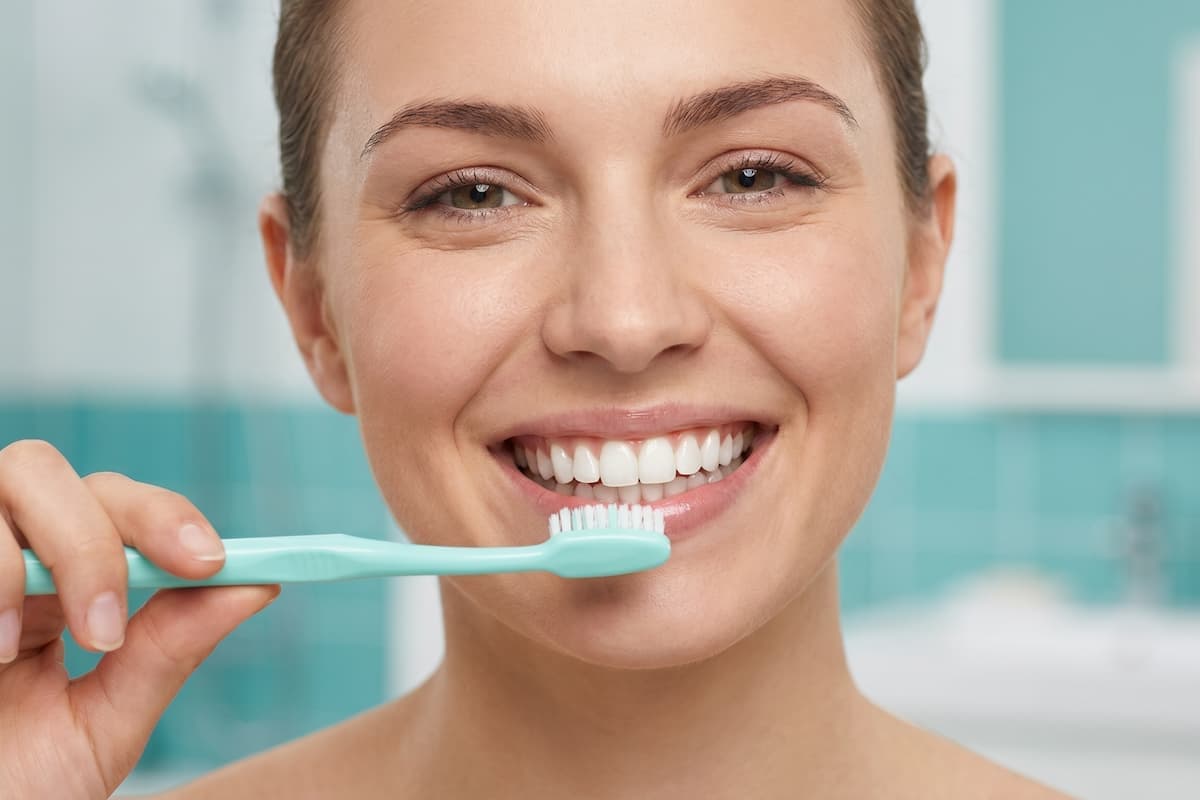
Bleeding Gums When Brushing? Simple Steps To Restore Health
Noticing a pink tinge in the sink after brushing can be unsettling. For many people, it raises an immediate question: should I be worried? The short answer is that occasional, mild bleeding during brushing is something many adults experience at some point, and it is often linked to factors that can be addressed with simple changes to your oral hygiene routine.
Understanding why your gums bleed when brushing — and knowing what to do about it — is the first step towards feeling more confident about your gum health. This guide walks through the most common reasons this happens, what the evidence suggests about caring for your gums, and when it might be worth having a professional take a look.
Why Do Gums Bleed When Brushing?
When you brush your teeth, the bristles of your toothbrush come into contact with the gumline — the area where your gums meet your teeth. If the gum tissue in this area is inflamed or irritated, it can bleed more readily than healthy, firm gum tissue would.
The most common reason gums become irritated in this way is the accumulation of dental plaque along and just beneath the gumline. Plaque is a soft, sticky film that forms continuously on teeth. It contains bacteria, and when it is not removed regularly through brushing and interdental cleaning, these bacteria can trigger a response from the body's immune system in the surrounding gum tissue.
This inflammatory response — known clinically as gingival inflammation — can cause the gums to appear redder than usual, feel tender and become more prone to bleeding when touched or brushed. This early stage of gum inflammation is commonly referred to as gingivitis, and it is widely considered to be reversible with consistent and appropriate oral hygiene.
It is important to note that bleeding gums do not automatically indicate a serious problem. However, they can sometimes be the body's way of signalling that the gums need a little more attention.
Common Reasons Your Gums May Bleed
Bleeding during brushing can be associated with a range of different factors. Rather than assuming a single cause, it is helpful to consider the broader picture.
Plaque Accumulation Along the Gumline
As described above, plaque that is not consistently removed can lead to gum irritation. This is one of the most frequently cited reasons why gums bleed when people brush their teeth. The gumline and the spaces between teeth are areas where plaque tends to build up if brushing and interdental cleaning are not thorough.
Starting or Resuming Interdental Cleaning
If you have recently started using dental floss or interdental brushes after a period of not cleaning between your teeth, some initial bleeding is not uncommon. The gum tissue in those spaces may be mildly inflamed from accumulated plaque, and it can be more reactive at first. For many people, this settles over a week or two as the gums become healthier and interdental cleaning becomes a regular habit.
Brushing Technique and Pressure
Brushing too vigorously or using hard-bristled brushes can cause mechanical irritation to gum tissue. This kind of brushing does not necessarily improve cleaning effectiveness — in fact, excessive pressure can cause the gums to recede over time. Using a soft-bristled toothbrush and gentle, circular or small back-and-forth movements is generally considered more appropriate for gum health.
Gaps in Your Brushing Routine
If brushing has been inconsistent — perhaps you have been unwell, travelling or simply less attentive to your routine — plaque may have had more opportunity to accumulate. Reintroducing a regular routine can sometimes cause temporary bleeding as inflamed gums respond to being cleaned again.
Hormonal Changes
Hormonal fluctuations — for example, during pregnancy, menstruation or certain phases of the menstrual cycle — can make gums more sensitive and reactive. This is thought to be related to changes in how blood vessels respond to the presence of plaque bacteria. Pregnancy gingivitis is a recognised phenomenon, and it is worth discussing with a dental professional if bleeding gums become a concern during pregnancy.
Certain Medications
Some medications, including blood thinners, certain blood pressure medicines and others, can affect how easily the gums bleed. If you have recently started a new medication and noticed changes in your gum health, this may be worth mentioning to both your dental professional and your prescribing doctor or pharmacist.
Nutritional Factors
Severe deficiency in certain vitamins — most notably vitamin C — can be associated with gum problems. This is relatively uncommon in the UK, but nutritional factors may occasionally contribute to gum vulnerability.
Should You Stop Brushing If Your Gums Bleed?
This is one of the most common questions people have — and the evidence-based answer is: no, you should not stop brushing.
It might seem counterintuitive to continue brushing when your gums are bleeding, but avoiding brushing the area is likely to allow further plaque accumulation, which may make gum inflammation worse over time.
A more helpful approach is to:
- Continue brushing twice daily, being careful not to apply excessive pressure
- Use a soft-bristled toothbrush
- Focus on the gumline with gentle, controlled movements
- Continue or begin cleaning between your teeth — carefully and consistently
In many cases, gums that bleed due to plaque-related inflammation respond positively to improved oral hygiene within a few weeks. However, if bleeding continues or worsens despite these adjustments, it may be worth speaking with a dental professional.
Simple Steps To Support Healthier Gums
The following steps are consistent with general oral health guidance and preventive dentistry principles. They are not a treatment plan, and they cannot address every possible underlying reason for bleeding — but they represent a solid foundation for better gum health.
1. Brush Twice Daily — With Technique in Mind
Brush your teeth for approximately two minutes, twice a day — last thing at night and at one other point during the day. Use a soft-bristled manual or electric toothbrush and focus on the gumline as well as the surfaces of the teeth. Avoid scrubbing — gentle, methodical cleaning is more effective and less likely to cause gum trauma.
2. Use a Fluoride Toothpaste
Fluoride toothpaste is recommended throughout the UK for its role in protecting tooth enamel. For most adults, a toothpaste containing at least 1,350 ppm fluoride is consistent with NHS guidance. After brushing, spit rather than rinsing, to allow the fluoride to continue working.
3. Clean Between Your Teeth Every Day
Brushing alone does not reach the spaces between teeth, where plaque commonly accumulates. Interdental brushes, dental floss or water flossers can all help to clean these areas. If you are new to interdental cleaning, your dental hygienist or dentist can recommend the most appropriate size or type for your teeth and gums.
4. Avoid Brushing Too Hard
More pressure does not mean cleaner teeth. Aggressive brushing can irritate and gradually damage gum tissue. If your toothbrush bristles are splaying within a month or two of use, this may be a sign that you are applying too much pressure.
5. Stay Consistent
Consistency matters more than intensity. A regular routine that includes twice-daily brushing and daily interdental cleaning is more beneficial than occasional thorough sessions followed by gaps in care.
6. Consider Lifestyle Factors
Smoking is associated with impaired gum health and can also mask bleeding — gums in people who smoke may bleed less visibly even when inflammation is present. Reducing or stopping smoking is something your GP or dental team can provide support with. A balanced diet and staying well hydrated also support overall oral health.
7. Attend Regular Dental Appointments
Routine dental check-ups allow a professional to assess your gum health, identify any early changes and provide personalised advice. The frequency of check-ups appropriate for you will be recommended by your dentist based on your individual circumstances.
When Is Bleeding Worth Having Assessed?
In many cases, mild or occasional bleeding that improves with better oral hygiene is not a cause for alarm. However, there are situations where it may be worth booking an appointment to have your gums assessed:
- Bleeding persists despite consistent oral hygiene improvements over two to four weeks
- Bleeding is frequent or severe, rather than occasional and mild
- Gums appear swollen, red or are pulling away from the teeth
- You notice discomfort, sensitivity or loose teeth alongside the bleeding
- Bleeding occurs spontaneously, not just during brushing
- You are pregnant and experiencing gum changes you are unsure about
- You have recently started a new medication that may be affecting your gums
- You are concerned — even if you cannot pinpoint a specific reason
This is not an exhaustive list, and it is not meant to cause concern. The point is simply that persistent or unusual changes in your gums are worth discussing with a dental professional, who can assess what is happening and advise accordingly.
How Preventing Bleeding Gums Starts With Everyday Habits
Prevention is central to gum health, and the good news is that most of the steps involved are accessible and straightforward. The relationship between consistent oral hygiene and healthier gums is well established — plaque control is the cornerstone of preventing gingival inflammation.
That said, it is worth acknowledging that improving oral hygiene does not always resolve bleeding immediately. The time it takes for gum tissue to respond can vary from person to person, and sometimes there are underlying factors that require professional assessment and gum treatment.
Preventing bleeding gums is not about a single dramatic change — it is about building habits that protect your gums consistently over time:
- Brush and clean between teeth every day without exception
- Do not skip the gumline when brushing
- Replace your toothbrush or brush head every three months, or sooner if bristles become worn
- Attend dental check-ups and hygiene appointments as recommended
- Let your dental team know if you notice any changes between appointments
How a Dental Professional Can Help
If your gums are bleeding regularly or you are unsure whether your oral hygiene routine is effective, a dental professional can offer a clearer picture.
During a routine assessment, a dentist or dental hygienist can:
- Evaluate the health of your gum tissue and check for early signs of inflammation
- Assess how plaque and tartar are distributed around your teeth and gumline
- Provide personalised advice on brushing technique and interdental cleaning
- Carry out a professional clean to remove hardened plaque deposits (tartar or calculus) that cannot be removed by brushing alone
- Identify any contributing factors that may be affecting your gum health
- Advise on when and how often to return for further care
Professional dental cleaning is not a replacement for home oral hygiene — it works alongside it. The most effective approach to gum health tends to combine consistent home care with regular professional support.
If you have questions about your gum health or would like to understand more about what a dental assessment involves, speaking with a dental professional is a straightforward first step.
Frequently Asked Questions
Is it normal for gums to bleed a little when you start flossing?
Some people notice mild bleeding when they first introduce interdental cleaning, particularly if they have not cleaned between their teeth regularly before. This can happen because the gum tissue in those spaces may be mildly inflamed from plaque accumulation. In many cases, bleeding reduces as the gums respond to regular cleaning over a week or two. If it persists beyond a few weeks, it may be worth mentioning to your dentist or hygienist.
Can using mouthwash help if my gums bleed when I brush?
An antibacterial or antiseptic mouthwash may support oral hygiene as part of a broader routine, but it is not a substitute for brushing and interdental cleaning. Some mouthwashes can help reduce plaque bacteria in the short term, but they do not remove plaque mechanically in the way that brushing and flossing do. If you are considering a specific mouthwash for gum health, your dental hygienist can advise which type may be most appropriate.
Could my diet be affecting my gum health?
Diet can play a role in overall oral health. A varied, balanced diet supports the immune system and tissue health generally. Frequent consumption of sugary foods and drinks can contribute to plaque bacteria activity, which may in turn affect the gums. Severe nutritional deficiencies — particularly of vitamin C — have historically been associated with gum problems, though this is uncommon in the UK today. If you have concerns about your diet and oral health, a healthcare professional can offer guidance.
My gums bleed on one side more than the other — does that mean something specific?
Localised bleeding on one side can sometimes reflect differences in brushing technique — for example, people often brush more effectively on the hand they are dominant with. It can also be associated with localised plaque accumulation, a specific tooth or an area that is harder to reach. It is not necessarily more serious than more generalised bleeding, but if you notice it consistently, it is worth flagging to your dental team so they can assess the area.
Can stress affect gum health?
There is some evidence suggesting that psychological stress may influence the body's inflammatory response and immune function, which could in turn affect how gum tissue responds to bacteria. Stress has also been associated with changes in behaviours that support oral health, such as disrupted sleep, changes in diet and reduced attention to self-care routines. If you are going through a stressful period and have noticed changes in your gum health, it may be a relevant factor to mention to your dental professional.
Does pregnancy always cause bleeding gums?
Not necessarily. Some people experience increased gum sensitivity or bleeding during pregnancy due to hormonal changes affecting how gum tissue reacts to plaque bacteria — this is sometimes referred to as pregnancy gingivitis. However, not everyone will experience this, and maintaining good oral hygiene before and during pregnancy can help to minimise the likelihood. It is generally recommended to continue attending dental appointments throughout pregnancy, as dental care is safe and important during this time.
Should I use an electric toothbrush if my gums bleed?
Electric toothbrushes — particularly oscillating-rotating types — have good evidence supporting their effectiveness at plaque removal and may be easier to use with appropriate technique. They are not a requirement, and a manual toothbrush used well can also be very effective. If you are uncertain which type suits your needs, your dental hygienist can make a recommendation based on your individual situation.
Could bleeding gums be a sign of something other than gum problems?
In most cases, gums bleeding when brushing is associated with local factors such as plaque accumulation and gum inflammation. However, in less common circumstances, certain systemic health conditions or medications can affect how easily gum tissue bleeds. If you are concerned, have other unexplained symptoms or if your bleeding seems disproportionate to the brushing you are doing, speaking with both your dental professional and your GP may be appropriate.
How long does it take for gums to stop bleeding once you improve oral hygiene?
This can vary. Many people notice improvement within one to two weeks of establishing a consistent brushing and interdental cleaning routine, particularly if the bleeding is linked to plaque-related gum inflammation. However, this is not universal — the timeline can depend on the extent of inflammation, individual response and whether other contributing factors are involved. If bleeding has not improved meaningfully after a few weeks of consistent care, professional assessment is a sensible next step.
Dental Disclaimer
This article is for general educational information only and is not a diagnosis or personalised treatment plan. Causes and suitable care vary by individual, so treatment decisions should follow a clinical examination. No specific outcome is guaranteed, and responses to prevention or treatment differ between patients. If bleeding, pain, swelling, or other symptoms persist, seek advice from a qualified dental professional. This content does not replace advice from your dentist, hygienist, GP, or other regulated clinician.
- Written Date: 14 August 2026
- Next Review Date: 14 August 2027
Ready to Book an Appointment?
Our team is here to help you with all your dental and medical needs.








